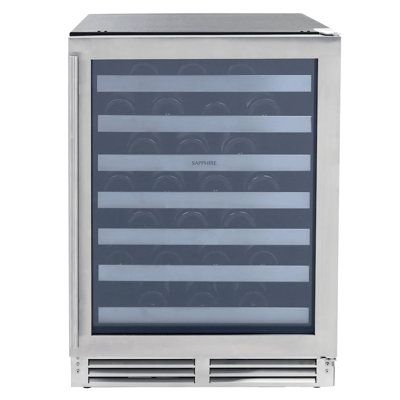
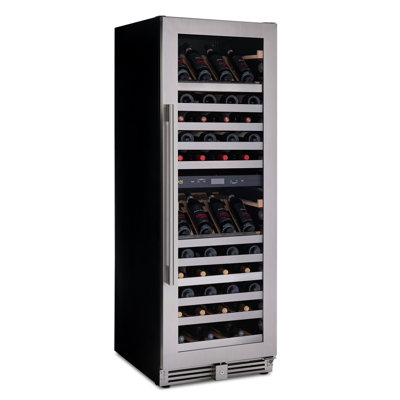
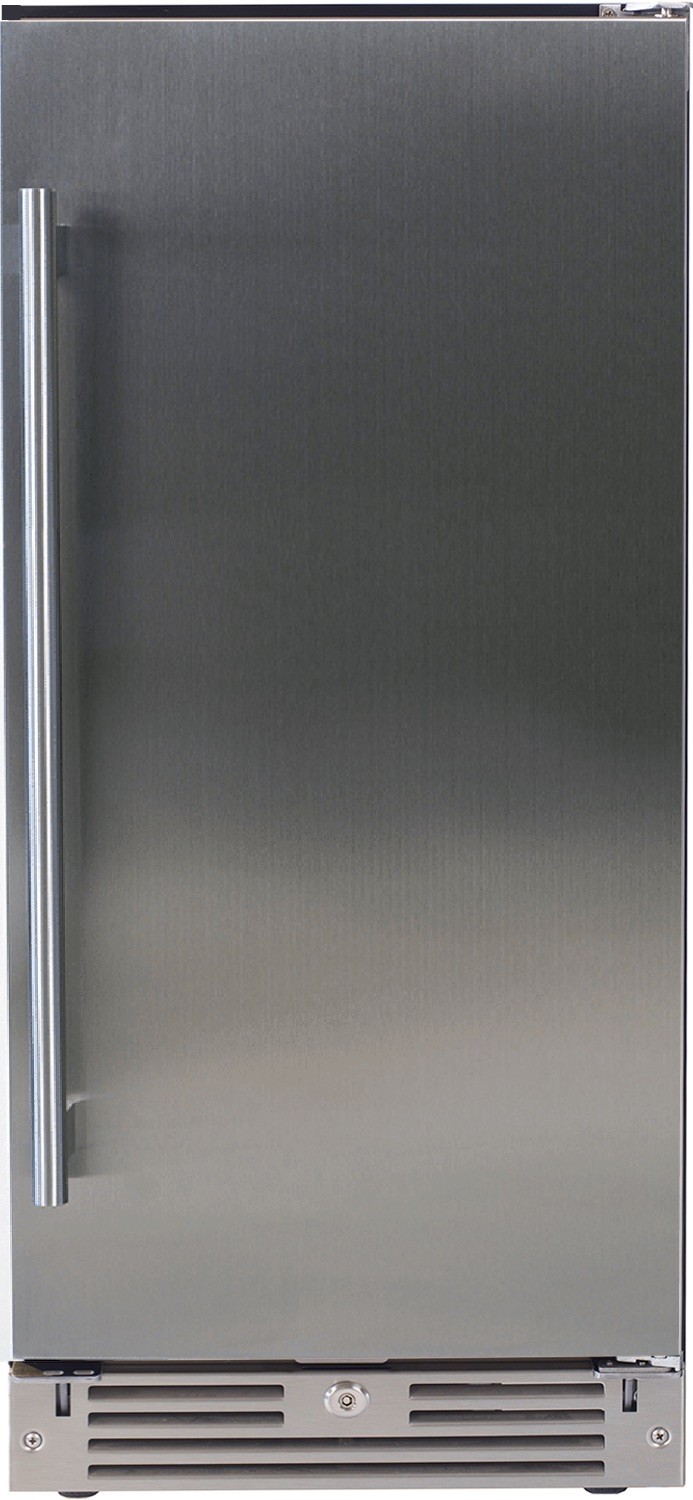
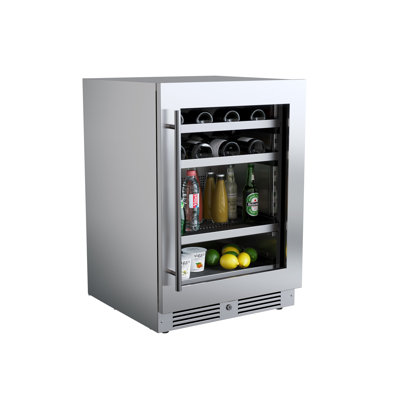
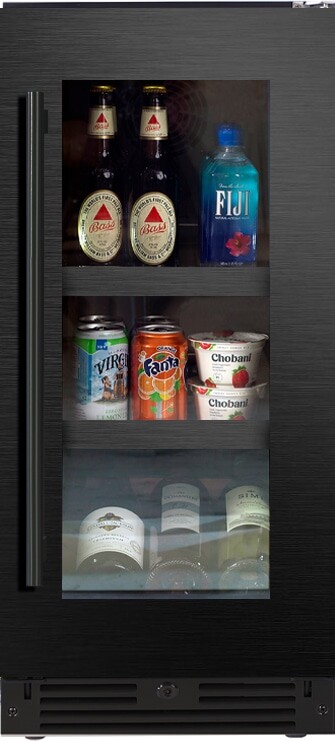
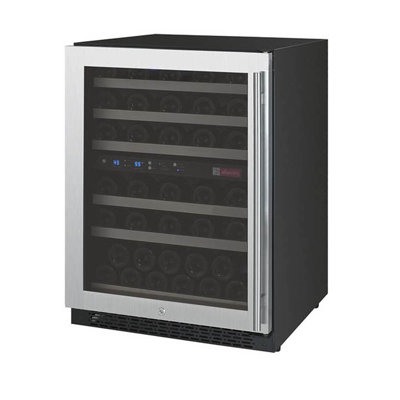
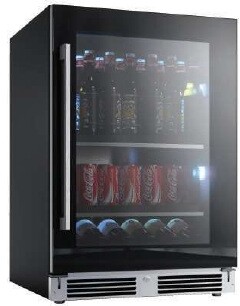
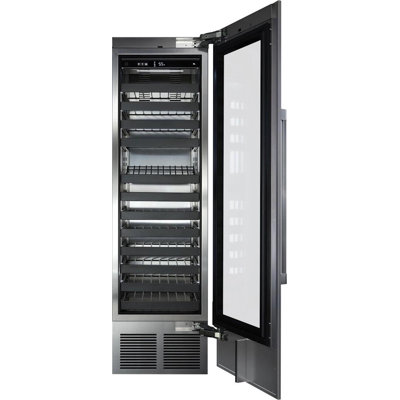
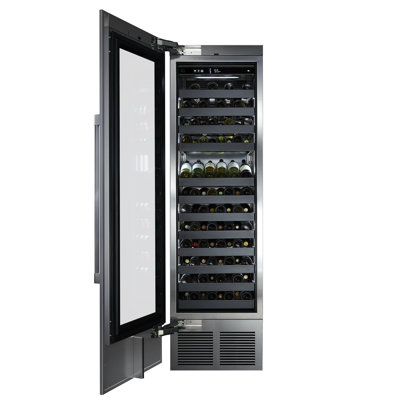
A beverage center and a wine fridge look nearly identical from the outside — stainless steel frames, glass doors, compact under-counter profiles — but they are engineered for different jobs. A beverage center chills sodas, beer, water, and mixers at roughly 34°F to 50°F on flat, adjustable shelves built for container variety and volume. A wine fridge (also called a wine cooler) is a preservation appliance that holds wine at 45°F to 65°F on horizontal racks, with UV-tinted glass, vibration dampening, and humidity conditions that protect corks and wine quality over months or years. This guide compares every specification — temperature, shelving, capacity, humidity, energy use, and price — so you invest in the right appliance.
What Is a Beverage Center?
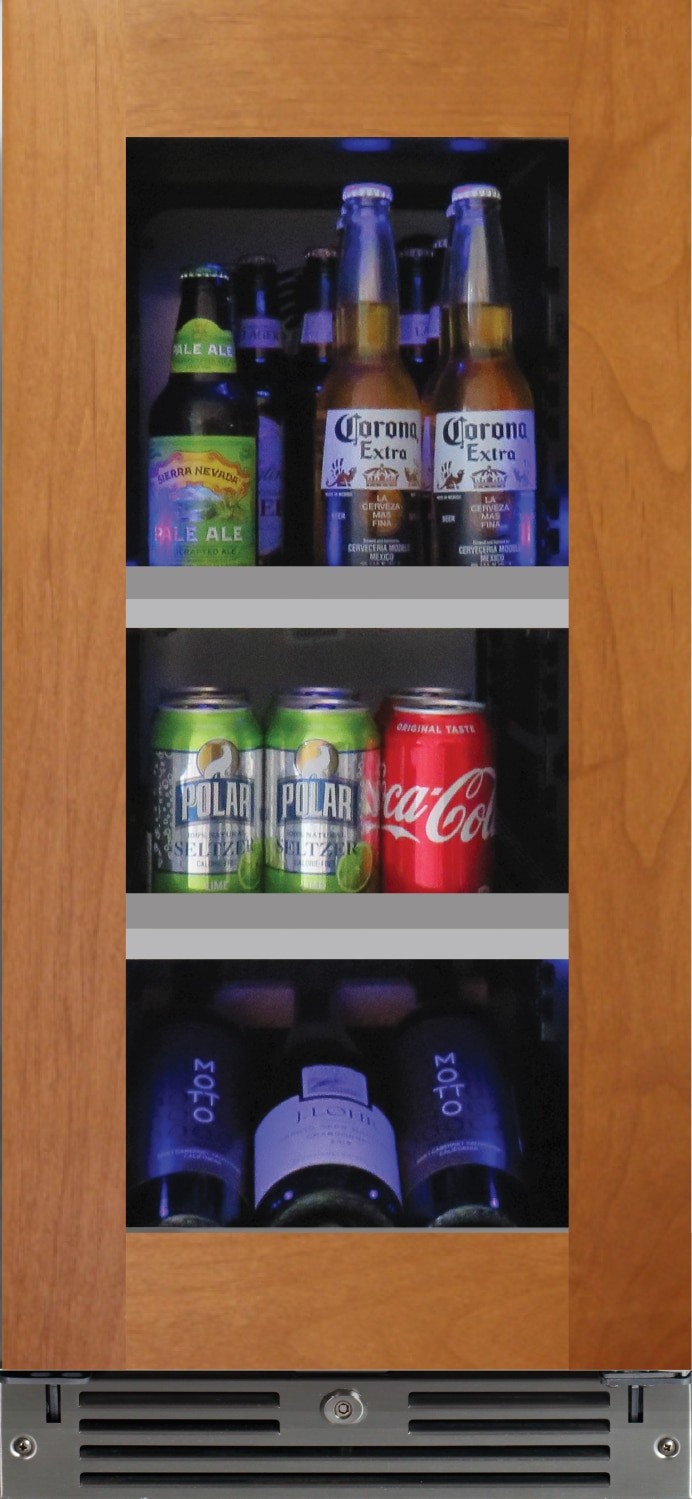
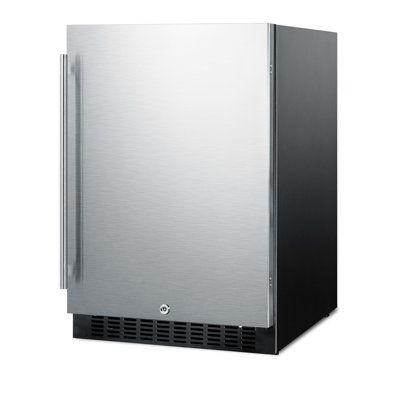
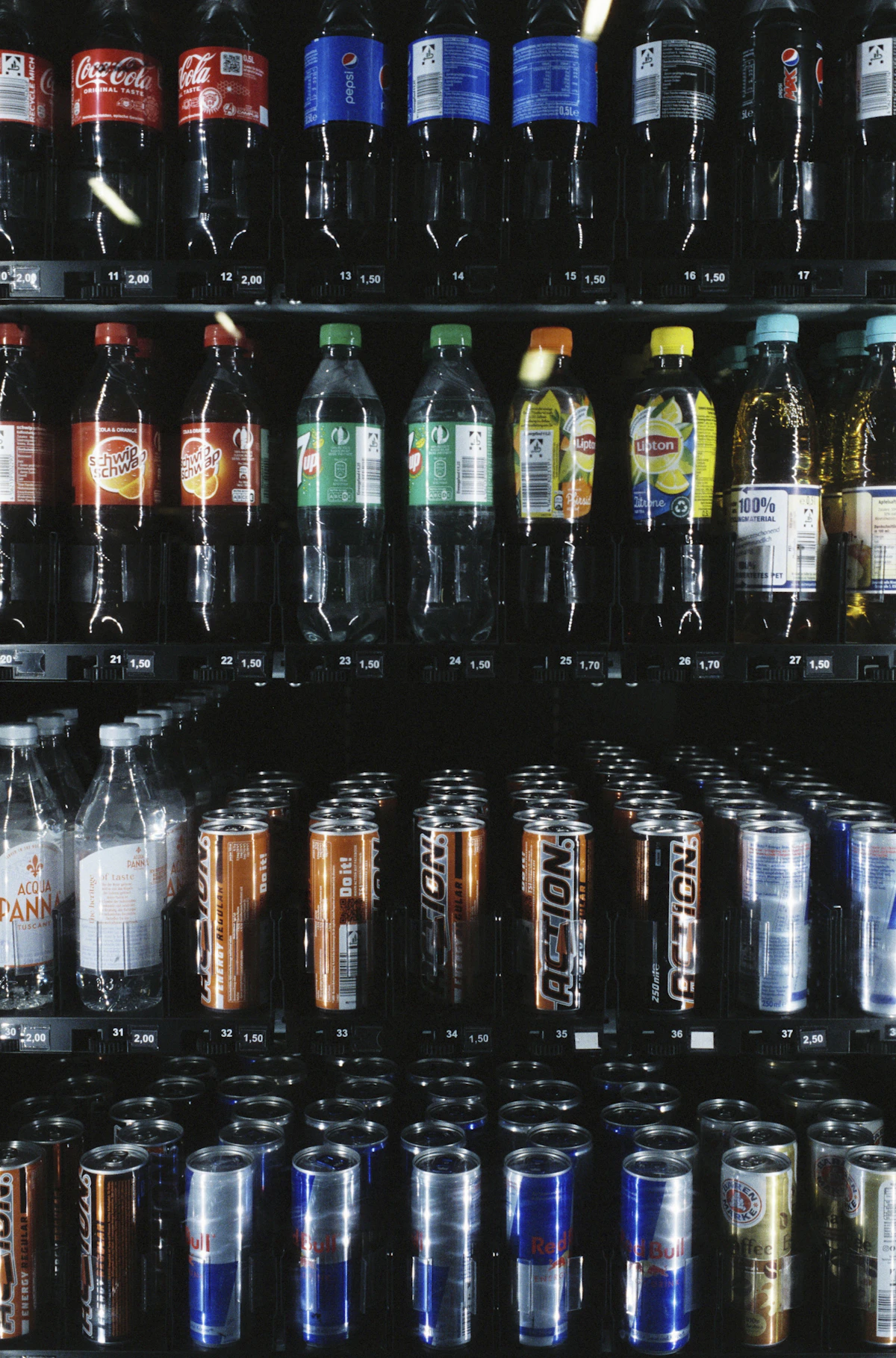
A beverage center — sometimes called a beverage cooler, beverage refrigerator, or drink center — is a compact specialty refrigerator designed to store and chill a variety of non-wine drinks: sodas, beers, bottled water, energy drinks, sparkling water, juice, iced tea, and sports drinks. Interior temperatures range from about 34°F to 50°F, with most users setting 36–38°F for ice-cold refreshment. Adjustable shelving — and on some models multiple temperature zones — lets you store a diverse collection of drinks, with glass doors for easy viewing and built-in or freestanding installation options that suit an entertainment area, kitchen, or home bar.
Beverage centers are popular in home bars, kitchens, game rooms, home theaters, offices, garages, pool houses, and outdoor kitchens. They solve a specific lifestyle problem: cold drinks available on demand without opening the main kitchen refrigerator. For entertaining, a beverage center keeps the drink supply separate and accessible to guests, reducing congestion at the kitchen fridge.
What Is a Wine Fridge?
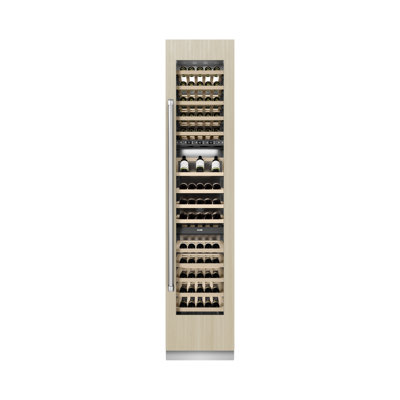
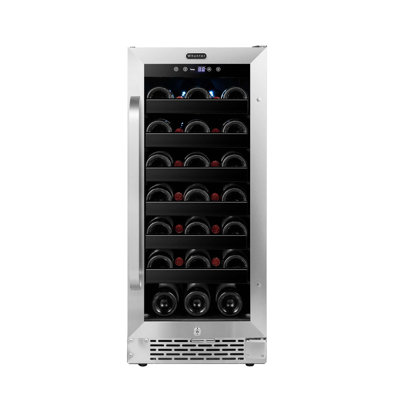
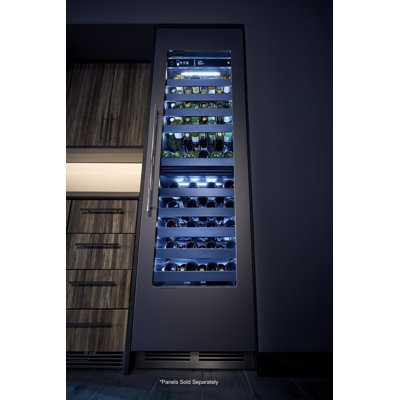
A wine fridge, also known as a wine cooler, wine refrigerator, or wine cabinet, is specially crafted for the storage and aging of wine. It maintains a consistent 45°F to 65°F range that is ideal for both reds and whites, with dual-zone models offering two independently controlled compartments — one for whites at 45–50°F and another for reds at 55–65°F.
Wine fridges focus on the details that matter to preservation: vibration reduction, UV-tinted glass that blocks light damage, and moderate humidity that keeps corks moist. Horizontal shelving positions each bottle on its side so the wine stays in contact with the cork, which is vital for long-term storage. Sizes range from 6-bottle countertop units to 300-bottle floor-standing cabinets. Those considering this option might also explore built-in wine coolers or wine cellars.
Beverage Center: Features and Functionality
Temperature Range and Adjustability
Beverage centers are designed to cool a range of beverages, from sodas and water to beer and wine. They typically offer a wider temperature range than a wine fridge, usually from the low 30s to the mid-50s Fahrenheit (0°C to 15°C), making them versatile for different types of drinks. Adjustable temperature controls allow you to tailor the cooling based on the specific drinks you're storing.
| Temperature Range | Ideal For |
|---|---|
| 30°F to 40°F (-1°C to 4°C) | Sodas, Beer, Water |
| 40°F to 50°F (4°C to 10°C) | White Wines, Sparkling Wines |
| 50°F to 55°F (10°C to 13°C) | Red Wines |
Storage Capacity and Shelving
Beverage centers come in various sizes, from compact units that fit under a counter to larger, freestanding models. The internal shelving is often adjustable and can be configured to accommodate cans, bottles, or a combination of both. Shelving materials may include wire, plastic, or glass, each providing different weight capacities and aesthetics.
| Model Type | Capacity (Approximate) |
|---|---|
| Undercounter | 50 to 100 cans |
| Freestanding | 100 to 200 cans |
Flat chrome wire racks or tempered glass shelves adjust to multiple heights, accommodating 12-ounce cans standing upright, 16-ounce tall cans, beer bottles, water bottles, 2-liter soda bottles, growlers, and pitchers. Remove a shelf to make room for a tall container; add shelves to maximize can density. Some beverage centers include gravity-fed can dispensers — angled wire racks that push the next can to the front as you grab one — and door-mounted racks for additional cans.
Design and Installation Considerations
When choosing a beverage center, consider whether you prefer a built-in or freestanding model. Built-in models are designed to fit seamlessly into your cabinetry with front ventilation, while freestanding models offer more flexibility in placement but require clearance around the unit for proper air circulation. Many beverage centers feature glass doors for easy viewing of contents, and some come with lockable doors for added security.
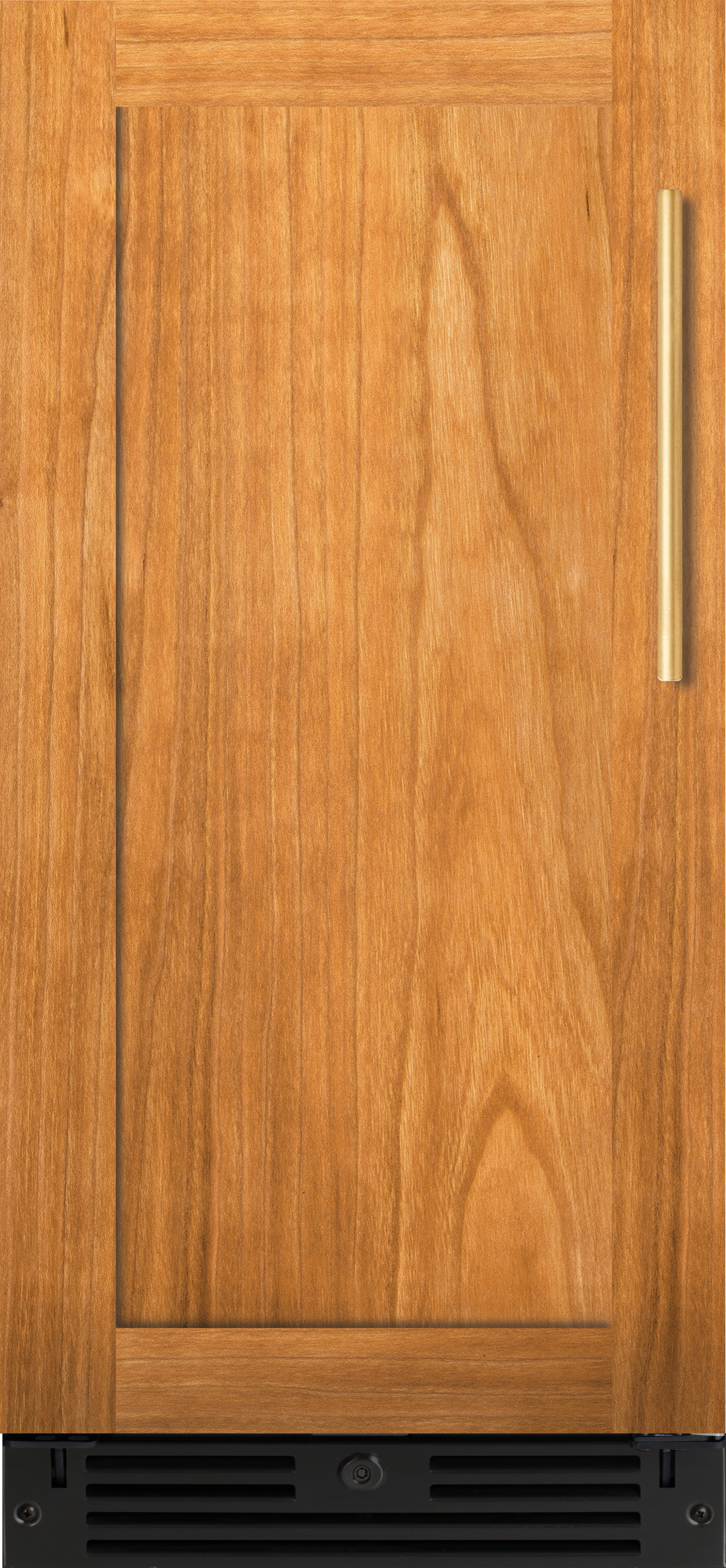
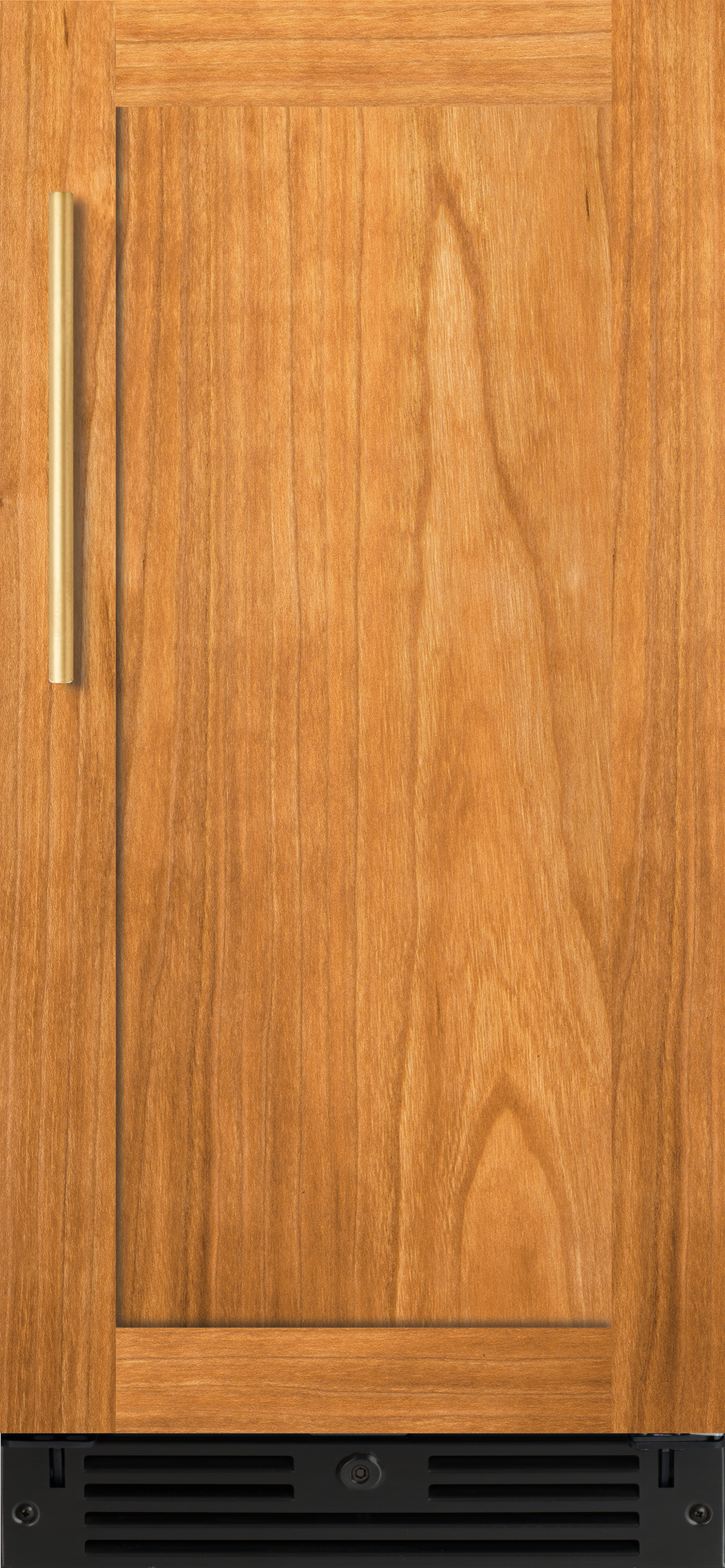
For aesthetic integration, think about the finish and whether it complements your existing appliances and decor. Stainless steel and black finishes are common, and some models offer panel-ready doors to match your cabinetry.
When planning for installation, make sure to measure the space where you intend to place your beverage center, keeping in mind the need for electrical access and ventilation. For more information on installation considerations, including differences between various cooling solutions, explore our comparison on built-in freezer Vs. column refrigerator freezer and bottom freezer refrigerator Vs. mini freezer.
Wine Fridge: Features and Functionality
Specialized Temperature Control for Wine
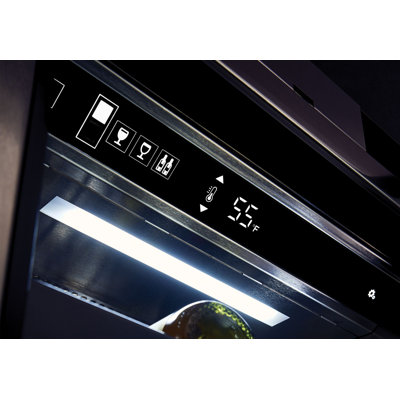
A wine fridge, unlike a standard refrigerator, offers precise temperature control tailored to the needs of wine. With settings typically ranging from 45°F to 65°F, it provides the ideal climate for both red and white wines. The stable temperature maintains the wine's integrity, flavor profile, and longevity.
| Wine Type | Ideal Temperature Range |
|---|---|
| White Wine | 45°F - 55°F |
| Red Wine | 55°F - 65°F |
For a nuanced look at how temperature affects wine, you might find interest in our comparison between auto defrost freezer Vs. beverage center.
Shelving and Bottle Orientation
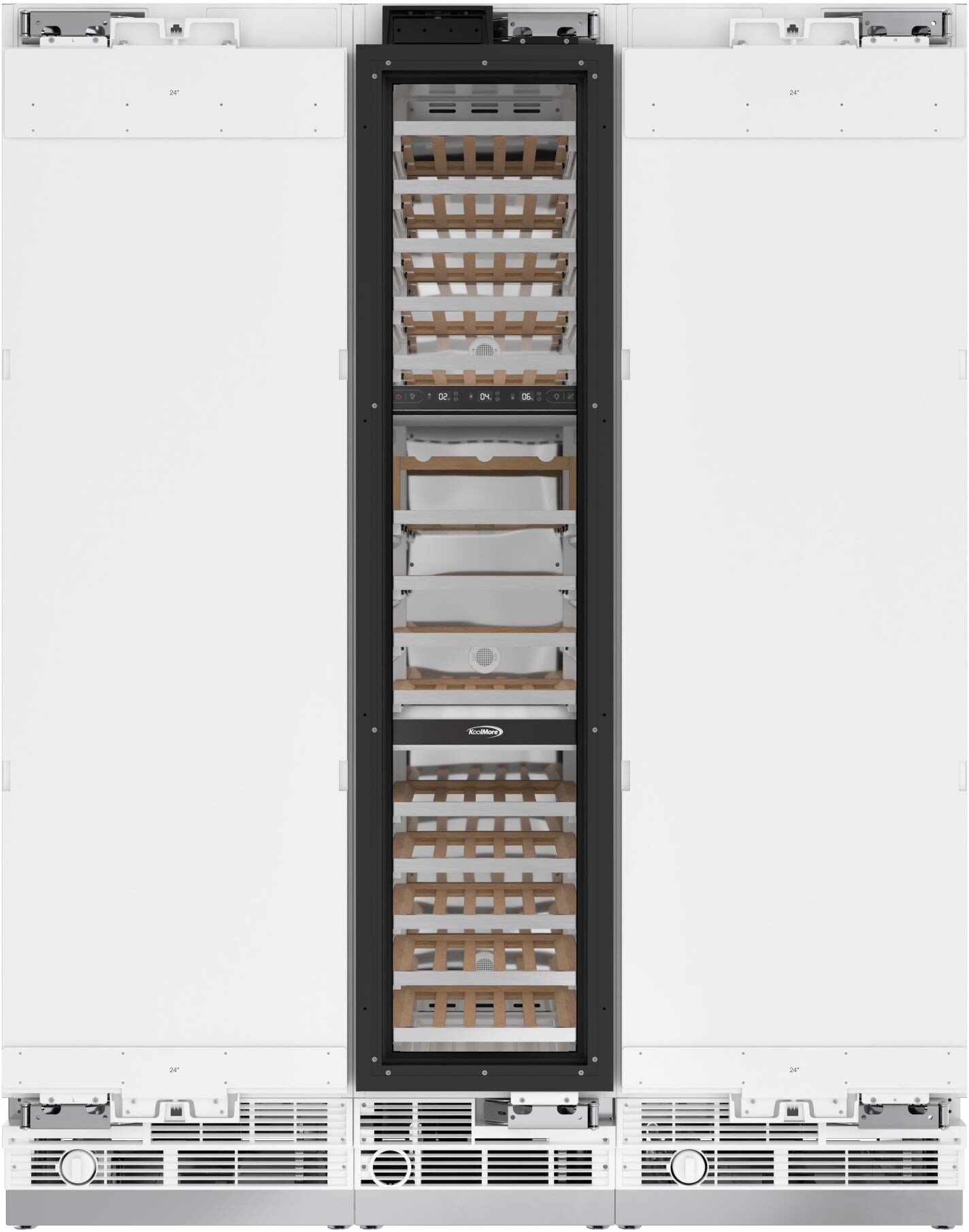
Proper bottle orientation is crucial for preserving wine. Wine fridges typically feature horizontal shelving to keep the cork moist, preventing it from drying out and allowing oxygen to spoil the wine. The racks are purpose-built around the standard 750ml Bordeaux bottle: pull-out wooden or wire shelves with scalloped grooves cradle each bottle individually on its side, and shelves slide on ball-bearing glides for smooth, vibration-free access. Premium wine fridges use solid beechwood or cherry wood racks that absorb vibration, and some models include one or two flat presentation shelves for displaying a bottle label-up. Adjustable or removable shelves accommodate bottles of varying sizes.
Design and Installation Considerations
Wine fridges come in various designs to suit your space and aesthetic preferences. From freestanding units to built-in models that seamlessly integrate into cabinetry, there's a wine fridge for every setting. When considering installation, pay attention to ventilation requirements, especially for built-in models, to ensure adequate air circulation for optimal performance.
| Design Type | Ventilation Requirement |
|---|---|
| Freestanding | Around sides and back |
| Built-in | Front ventilation |
Beverage Center Vs. Wine Cooler: Key Differences
Both appliances keep drinks at optimal temperatures, but their engineering diverges in five measurable ways: temperature range, humidity, vibration control, UV protection, and shelving. Here is how the beverage center vs. wine cooler comparison breaks down, specification by specification.
Temperature and Humidity Management
| Feature | Beverage Center | Wine Fridge |
|---|---|---|
| Temperature Range | Usually wider, accommodating a variety of drinks | Narrower, tailored to preserving wine |
| Temperature Consistency | Consistent, but may fluctuate more than wine fridges | Highly consistent, as fluctuations can affect wine quality |
| Humidity Control | General humidity control for cooling | Precise humidity management to maintain wine integrity |
| Appliance | Temperature Range | Typical Setting | Optimized For |
|---|---|---|---|
| Wine Fridge (white zone) | 45-50°F | 48°F | White wine, sparkling, rosé |
| Wine Fridge (red zone) | 55-65°F | 58°F | Red wine, port, sherry |
| Beverage Center | 34-50°F | 36-38°F | Soda, beer, water, juice |
The temperature ranges barely overlap. A beverage center's typical 36–38°F setting is 8–12 degrees colder than ideal white wine temperature and 18–28 degrees colder than ideal red wine temperature. Cold temperatures suppress aromatic compounds, tighten tannins so red wine tastes bitter and astringent, and mask fruit character. Conversely, a soda or beer served at wine-fridge temperature (50–60°F) tastes warm and flat: carbonation feels weak because CO2 escapes more readily from warmer liquids, and beer loses its crisp edge.
Humidity is the less obvious difference. Wine needs roughly 50–70% relative humidity to maintain cork integrity — natural cork is porous and dries out in low-humidity environments, and a dehydrated cork shrinks, cracks, and loses its seal, letting oxygen oxidize the wine. Wine fridges maintain moderate humidity naturally because their warmer operating temperature removes less moisture from the air during refrigeration cycles. Beverage centers running at 34–38°F pull more moisture from the air, creating drier interiors around 30–40% relative humidity — irrelevant for sealed cans and screw-cap bottles, but drying to a cork-finished wine stored there beyond a few days.
Vibration Control and UV Protection
Wine fridges incorporate vibration dampening at every point between the compressor and the bottles: rubber isolation mounts absorb compressor vibration before it reaches the cabinet frame, shelf brackets sit on shock-absorbing gaskets, and fan motors use precision bearings. This matters because vibration disturbs sediment in aging wines and can compound over the 1–20 years a bottle may cellar. Beverage centers use standard compressor mounting — rubber feet on a stamped metal frame — which is perfectly appropriate, since cans and bottles of soda, beer, water, and juice are unaffected by vibration and are consumed within days or weeks.
Wine fridges also use UV-tinted or UV-coated double-pane tempered glass doors. Ultraviolet radiation triggers photochemical reactions in wine — breaking down tannins, degrading color pigments, and destroying aromatic compounds — and the damage is cumulative and irreversible. UV coatings block 95% or more of harmful UV wavelengths while staying visually transparent. Beverage centers may use single-pane or double-pane glass with or without tinting; since the drinks inside are in opaque aluminum cans or colored glass bottles, UV exposure has no effect on them, and many buyers prefer clear glass for unobstructed visibility.
Storage Options and Versatility
| Feature | Beverage Center | Wine Fridge |
|---|---|---|
| Shelving | Adjustable and often removable | Specially designed racks for bottle shapes |
| Capacity | Can typically hold more beverage types and sizes | Optimized for wine bottle count and positioning |
Because cans are smaller than wine bottles, beverage centers hold more individual items at every cabinet width:
| Model Size | Wine Fridge | Beverage Center |
|---|---|---|
| 15-inch undercounter | 20-34 bottles | 60-90 cans |
| 24-inch undercounter | 40-60 bottles | 120-180 cans |
| Full-height (24" wide) | 100-166 bottles | 200-350 cans |
A 24-inch beverage center stores about 150 cans — enough for a large party. A 24-inch wine fridge stores around 50 bottles — a modest but respectable collection. For households that entertain frequently, the beverage center's higher container count is attractive; for wine collectors, bottle capacity and temperature precision matter more than raw volume.
Aesthetic and Space Requirements
| Feature | Beverage Center | Wine Fridge |
|---|---|---|
| Install Type | Freestanding or built-in | Typically built-in, some freestanding models |
| Size | Can be larger due to versatile storage needs | Often smaller and more uniform to fit standard bottles |
| Door Design | Glass or solid, often with UV protection | Primarily glass, almost always with UV protection |
The design you choose should align with your space requirements, aesthetic preferences, and whether you plan to integrate the appliance into cabinetry or use it as a standalone feature. Delve deeper into the specifics of each appliance with our guides on basement refrigerator Vs. freestanding drawer refrigerator, glass door mini fridge Vs. refrigerator drawer, and built in freezer Vs. column refrigerator freezer to make an informed decision.
Energy Consumption and Noise
Wine fridges consume roughly 100–250 kWh per year for a 24-inch undercounter model — about $13–$32 annually at average U.S. electricity rates. Beverage centers consume roughly 150–300 kWh per year because they maintain colder temperatures, requiring more compressor effort; the annual cost difference is about $5–$10. Both appliances produce 35–45 dB during operation — barely noticeable in a kitchen and faintly audible in a quiet room. ENERGY STAR certified models in both categories offer the best efficiency ratings.
Price Comparison
| Appliance | Budget | Mid-Range | Premium |
|---|---|---|---|
| Wine Fridge (24" undercounter) | $400-$700 | $700-$1,500 | $1,500-$3,500 |
| Beverage Center (24" undercounter) | $300-$500 | $500-$1,000 | $1,000-$2,500 |
| Combo Wine + Beverage Center | $500-$800 | $800-$1,500 | $1,500-$3,500 |
Wine fridges carry a 20–40% price premium over comparable beverage centers because of specialized wooden shelving, vibration-dampening systems, UV glass, and tighter temperature engineering.
The Combination Option: One Unit for Both
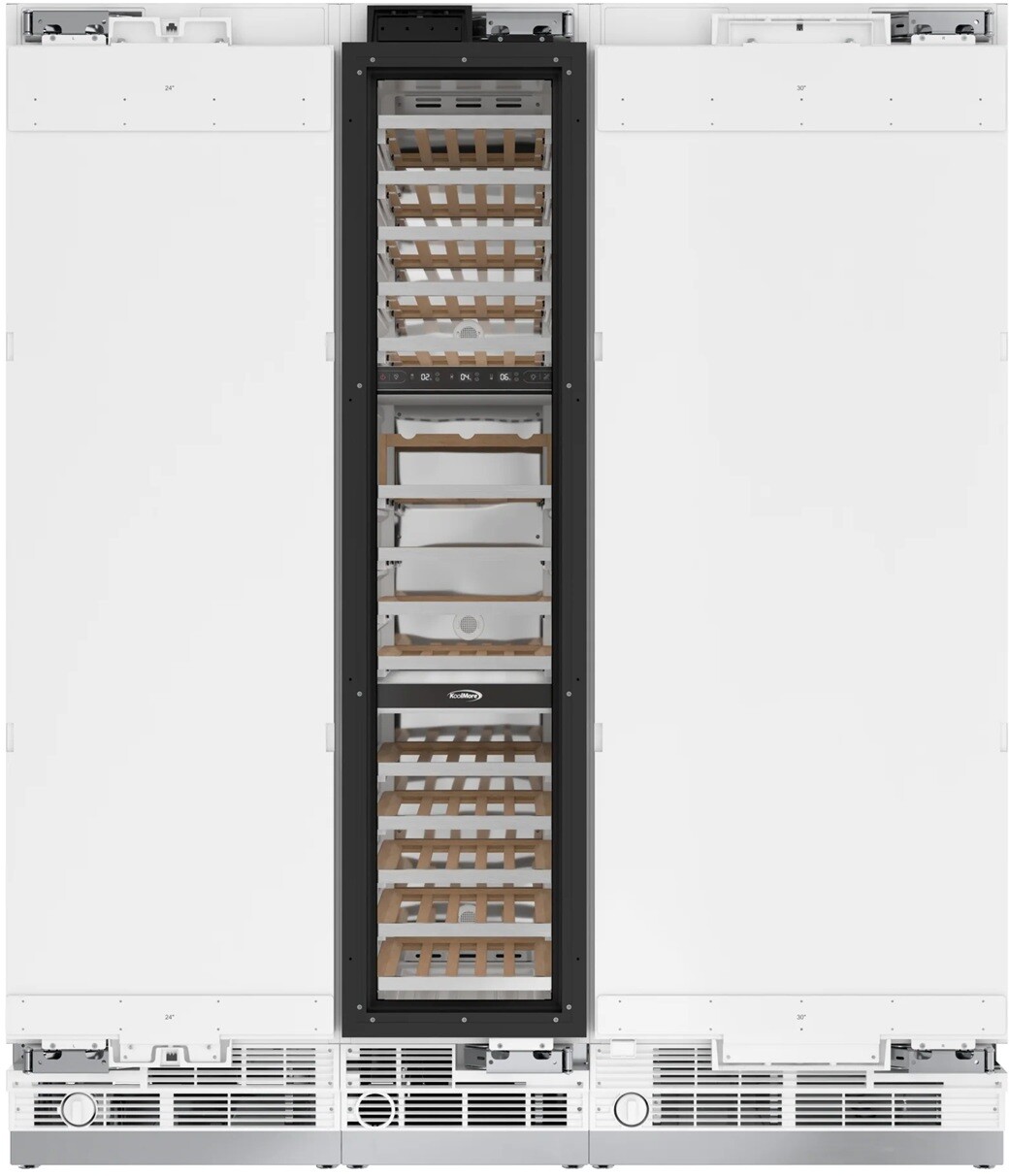
If you want both wine storage and cold beverage access in one appliance, a combination wine and beverage center is the most practical solution. These dual-zone units split the cabinet into two independently controlled sections: a wine zone with horizontal racks at 45–65°F and a beverage zone with flat shelves at 34–50°F. Each section has its own temperature control, and some premium models use a separate evaporator for each zone to prevent temperature bleed between sections. The trade-off is reduced capacity — a 24-inch combo holds about 20–30 bottles of wine plus 60–80 cans of beverages, versus roughly 50 bottles or 150 cans in a dedicated single-purpose unit.
Who Should Choose a Beverage Center?
Ideal Uses for a Beverage Center
Beverage centers are best suited for those who require a dedicated space for storing a diverse collection of drinks. They are perfect for:
- Entertaining spaces like family rooms, home theaters, or man caves where quick access to a variety of beverages is desired.
- Homes without space for a full-sized refrigerator but with a need for additional drink storage.
- Offices or waiting areas where clients and staff can help themselves to a cold drink.
Beverage centers are designed to accommodate not just wine, but also sodas, beers, water bottles, and sometimes even snacks. This flexibility makes them ideal for those who value having a wide selection of chilled options on hand.
Pros and Cons of a Beverage Center
Pros:
- Versatility: Capable of storing a variety of beverage types.
- Customization: Often features adjustable shelving to fit different bottle and can sizes.
- Accessibility: Provides an easy way to access drinks without opening the main refrigerator.
Cons:
- Not specialized for wine: Lacks the precise temperature and humidity controls necessary for long-term wine preservation.
- Space: Can take up more room than a wine fridge depending on the size and model.
For those specifically interested in wine storage, comparing a beverage center with a wine fridge may help determine which appliance meets your requirements. Dive deeper into this comparison with our article on built-in beverage center Vs. built-in wine cooler.
Remember to assess your space, as well as any design and installation considerations, which can be further explored in our articles on basement refrigerator Vs. freestanding drawer refrigerator and glass door mini fridge Vs. refrigerator drawer.
Who Should Choose a Wine Fridge?
Ideal Uses for a Wine Fridge
A wine fridge, also known as a wine cooler, is specially designed to store wine at optimal conditions, supporting proper aging and preservation of flavor. Here are some scenarios where a wine fridge might be ideal for you:
- Wine Collecting: If you have a growing collection of wines and want to age them properly.
- Consistent Temperature: You live in a climate with fluctuating temperatures, and you want a dedicated space that maintains a consistent temperature ideal for wine storage.
- Vibration Control: You want to minimize vibrations, which can disturb the sediment in wine and potentially affect its aging process.
- UV Protection: You're looking for protection against UV rays that can degrade and prematurely age wine.
- Humidity Control: You need to maintain the right humidity levels to ensure the corks don't dry out, thus preventing air from getting into the wine.
Pros and Cons of a Wine Fridge
| Pros | Cons |
|---|---|
| Specialized temperature control for different types of wine | Typically more expensive than standard fridges |
| Features to minimize vibration and light exposure | Less versatile for storing other types of beverages or food |
| Humidity control to keep corks in good condition | May require additional space in your home |
| Can be a visually appealing addition to home décor | Limited in capacity compared to beverage centers |
Pros:
- Optimized Storage Conditions: Wine fridges are engineered to store wine at the right temperature and humidity, which are crucial for long-term storage and aging of wine.
- Size Variability: They come in various sizes to accommodate different space and capacity needs, from small units that hold a dozen bottles to larger ones that can store hundreds.
- Design Flexibility: There are freestanding and built-in models to seamlessly integrate with your home's aesthetics.
Cons:
- Less Flexibility for Other Beverages: Wine fridges are specifically designed for wine and may not be suitable for other beverages that require different storage conditions.
- Space Requirements: Depending on the size, they can take up significant space in your home.
- Investment: Quality wine fridges can be an investment, particularly if they offer dual-zone temperature settings and other advanced features.
When considering a wine fridge, think about your current collection, your interest in wine, and how you plan to grow your collection over time. If you are an enthusiast looking to properly store and age a variety of wines, a wine fridge could be a valuable investment. For further comparisons between cooling solutions, you might explore articles on glass door mini fridge Vs. refrigerator drawer or built in freezer Vs. column refrigerator freezer, which can offer insights into other available refrigeration options.
Making the Right Choice for Your Needs
Assessing Your Beverage Storage Needs
If your collection includes a wide range of drinks such as sodas, beers, waters, and wines, a beverage center is likely the better fit — its adjustable shelving and wider temperature range cater to mixed storage. If your priority is preserving the quality of a wine collection, a wine fridge's consistent temperature and humidity levels are critical for long-term storage. To identify your needs, consider:
- The types of beverages you frequently consume
- The quantity of each beverage type you wish to store
- The importance of optimal storage conditions for your beverages (particularly for wine)
- Any future expansion of your beverage collection
Considering Space and Budget Constraints
Take accurate measurements of the area where you plan to install the unit to ensure it will fit comfortably, and decide between a built-in or freestanding model, as this influences installation requirements and the overall look of the space. Budget-wise, wine fridges cost more due to their specialized features, but the investment may be worthwhile if you have a valuable wine collection; beverage centers offer a wider price range that can accommodate a more modest budget.
| Appliance Type | Space Requirements | Budget Considerations |
|---|---|---|
| Beverage Center | Requires sufficient space for the unit size and door clearance | More budget-friendly options available |
| Wine Fridge | May require custom installation for built-in models | Typically higher priced due to specialized features |
Before making a decision, explore articles that compare similar appliances to gain a deeper understanding of what might work best in your space:
- Basement refrigerator Vs. freestanding drawer refrigerator
- Drink fridge Vs. small refrigerator
- Built in freezer Vs. column refrigerator freezer
- Compact refrigerator Vs. wine refrigerator
Maintenance: What Each Appliance Requires
Wine fridges and beverage centers require similar maintenance routines. Clean the interior every 3–6 months with warm water and mild soap — remove all bottles or cans, wipe down shelves and walls, and dry thoroughly before restocking. Vacuum or brush the condenser coils (accessible from the front on built-in models) once a year to maintain cooling efficiency. Check the door gasket for proper seal — a worn gasket allows warm air in, forcing the compressor to work harder and increasing energy consumption. Replace carbon air filters every 6–12 months on models that include them. Wine fridges with wooden shelving may need occasional oiling to prevent drying and cracking; beverage centers with chrome wire shelving need only a wipe-down. Both appliances benefit from a surge protector to guard electronics against power spikes.
Frequently Asked Questions
What is the difference between a beverage center and a wine cooler?
A beverage center chills mixed drinks — sodas, beer, water, juice — at 34–50°F on flat, adjustable shelves built for container variety. A wine cooler (wine fridge) stores wine at 45–65°F on horizontal racks with UV-tinted glass, vibration dampening, and cork-friendly humidity. The names "wine cooler" and "wine fridge" refer to the same appliance.
Can you store wine in a beverage center?
Only for short-term chilling. A beverage center's typical 36–38°F setting is 8–12 degrees colder than ideal white wine temperature and 18–28 degrees colder than ideal red wine temperature, which suppresses aromas and tightens tannins. Its drier interior (around 30–40% relative humidity) can also dry out a natural cork if a bottle sits longer than a few days, compromising the seal. For any bottle you plan to keep, use a wine fridge at 45–65°F and 50–70% humidity.
Can you store soda or beer in a wine fridge?
You can, but at wine-fridge temperatures (50–60°F) soda and beer taste warm and flat — carbonation feels weak because CO2 escapes more readily from warmer liquid. For ice-cold drinks, a beverage center set to 36–38°F is the right tool.
Which holds more, a beverage center or a wine fridge?
At the same cabinet width, a beverage center holds more individual items because cans are smaller than wine bottles: a 24-inch undercounter beverage center holds roughly 120–180 cans, while a 24-inch wine fridge holds roughly 40–60 bottles.
Is a wine fridge more expensive than a beverage center?
Yes — wine fridges carry a 20–40% premium at comparable sizes ($400–$700 budget vs. $300–$500 for a 24-inch undercounter unit) because of wooden racks, vibration-dampening systems, UV glass, and tighter temperature engineering.
Is there an appliance that does both?
Yes. Combination wine and beverage centers are dual-zone units with a wine zone (horizontal racks, 45–65°F) and a beverage zone (flat shelves, 34–50°F), each independently controlled. A 24-inch combo holds about 20–30 wine bottles plus 60–80 cans — less of each than a dedicated unit, but both categories in one cabinet opening.
How much energy do they use?
A 24-inch undercounter wine fridge uses roughly 100–250 kWh per year (about $13–$32 annually at average U.S. electricity rates); a comparable beverage center uses roughly 150–300 kWh because it holds colder temperatures. Both run at 35–45 dB — barely noticeable in a kitchen.
Get Your Upgrade or New Addition at Fridge.com
Whether you're searching for your perfect fridge, freezer, wine fridge, beer fridge, ice maker, or kegerator, we have what you need. Compare beverage centers and combination wine and beverage centers, and filter by capacity, temperature zones, width, and price.
Shop the world's best brands at Fridge.com.
We also have tons of awesome articles about kitchen stuff and home news. Enhance your home, garage, backyard, patio, and office with the coolest essentials. With every necessary type of residential refrigerator or freezer in our collection, we've got you covered.
Elevate your game and shop now at Fridge.com!