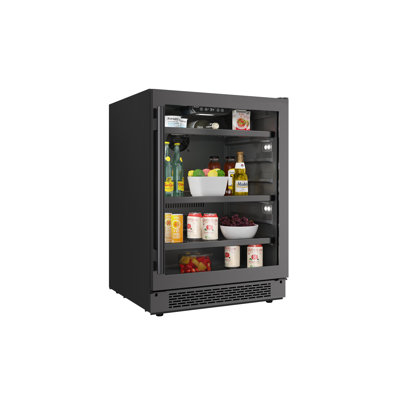
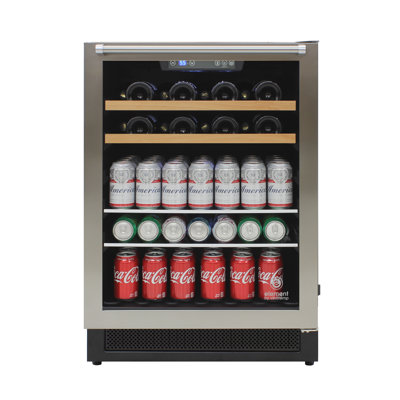
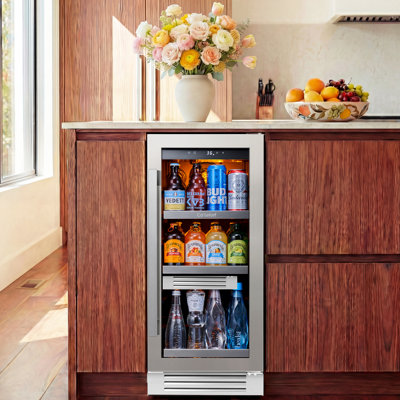
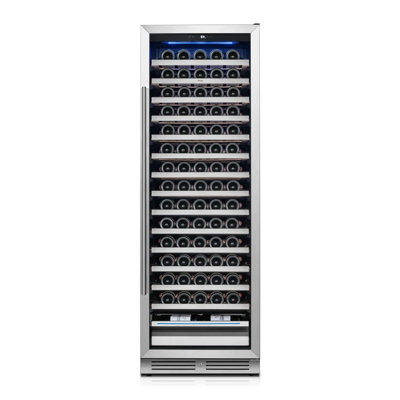
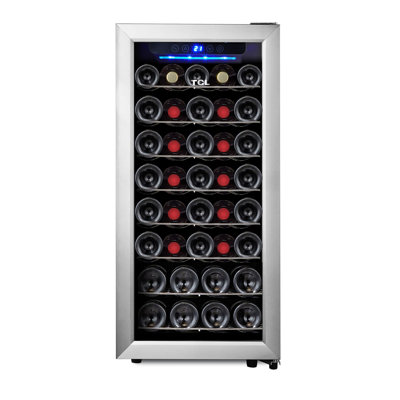
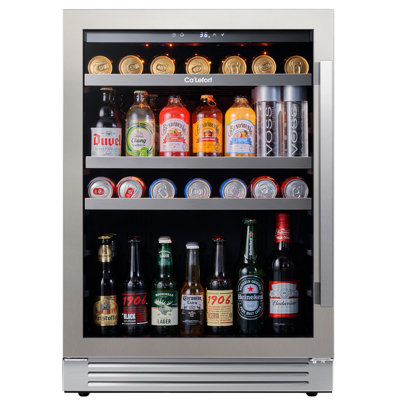
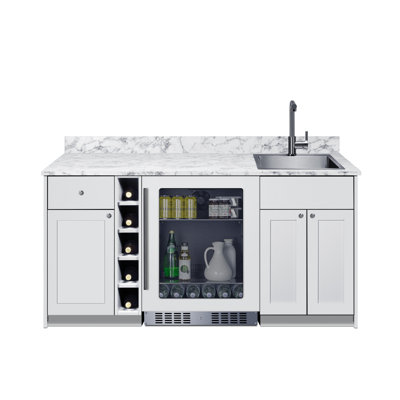
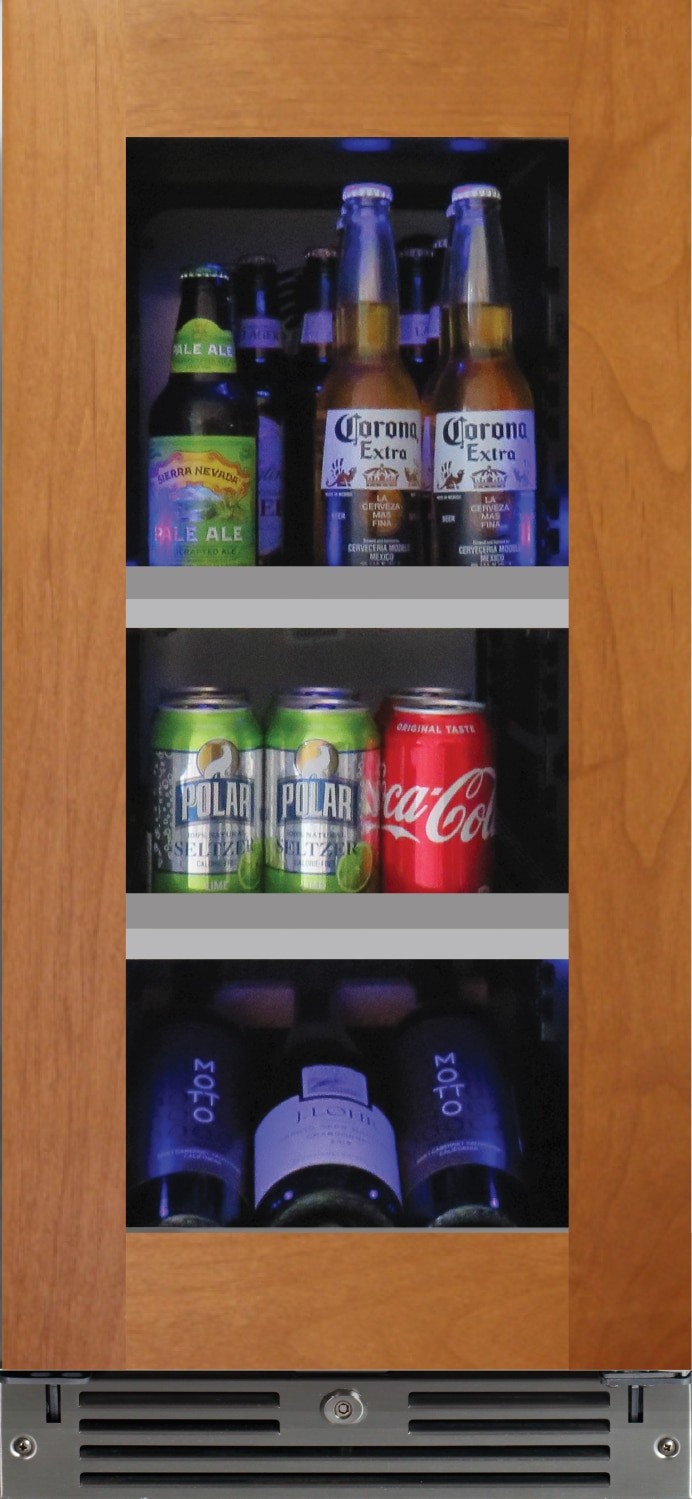
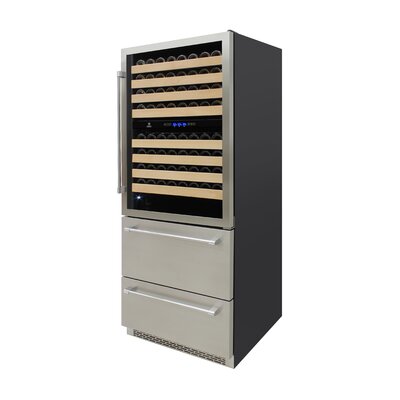
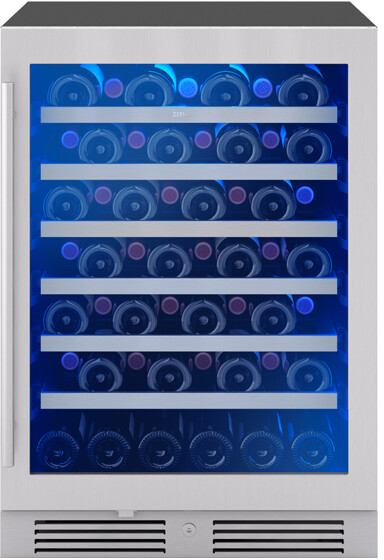
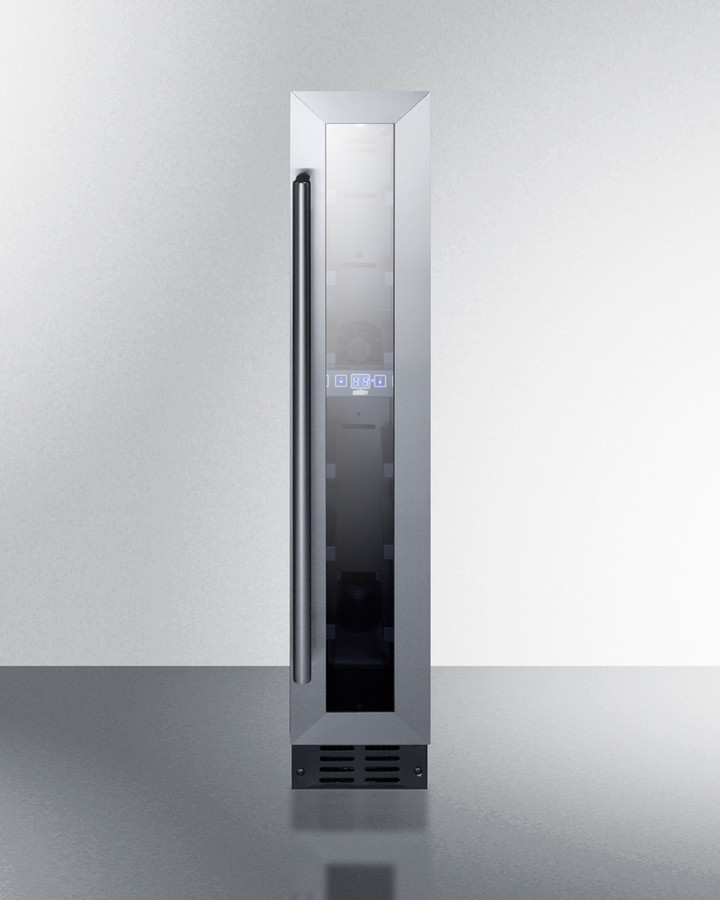
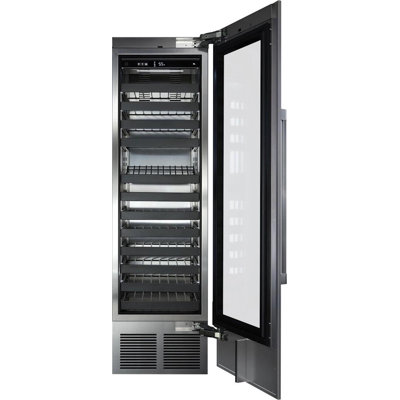
If you’ve ever stared at your collection of bottles and asked yourself, can i age my wines in a regular wine fridge? you’re in the right place. Aging wine can feel like an exclusive hobby reserved for people with cellars in their basements or châteaux in France, but maybe your wine fridge could do the trick. Regardless of whether you’re cooking dinner for friends, hosting a casual tasting in your home kitchen, or stocking up before a weekend getaway in an RV, understanding how wine evolves over time matters.
Compare current models in the Fridge.com Wine Coolers collection.
In this guide, you’ll learn what truly matters when it comes to aging wine, what a typical wine fridge offers, and whether it can meet those needs. We’ll break down temperature, humidity, vibration, lighting, and more. By the end, you’ll know if you can confidently let those pinots, cabernets, and rieslings mature in your wine fridge—or if you should explore alternative storage solutions.
Understanding wine aging
Why age wine
Not every bottle benefits from aging, but many do. When you age a wine under the right conditions, its flavors and aromas develop greater complexity. Tannins soften, primary fruit notes give way to tertiary flavors like leather, tobacco, or dried fruit, and an overall sense of balance emerges. Aging can transform a bold youth into a refined companion for your meals.
How wine evolves
Wine is a living beverage. Even in a sealed bottle, slow chemical reactions continue between acids, sugars, tannins, and other compounds. Oxygen that seeps through the cork helps mature these elements, while acids mellow and pigment structures shift. Over months or years, you’ll notice weightier textures, richer color changes, and an aromatic profile that keeps surprising you—provided the conditions stay stable.
Factors influencing aging
Several variables shape how your wine will change. These include the grape variety, vintage, winemaking techniques, and cork quality. But on your end, storage conditions are king. Fluctuating temperatures accelerate unwanted reactions, low humidity dries out corks, and vibration can disturb delicate sediments. Before you commit to long-term aging in any fridge, you’ll want to assess these core factors.
Essentials of a wine fridge
Temperature stability
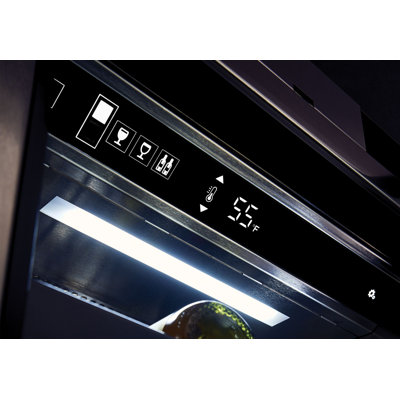
Aging wine works best when temperatures stay steady, ideally between 50°F and 59°F (10°C to 15°C). Too warm and reactions speed up—your wine might over-ripen in months instead of years. Too cold and you risk slowing development nearly to a halt or even freezing. Most wine fridges offer a temperature range from the mid-40s to low-60s, but not all models maintain a constant setpoint. Look for a unit with precise digital controls and minimal swing.
Humidity control
Cork integrity depends on humidity levels. If humidity dips below 50-55%, corks can dry out, letting in excess air and oxidizing your wine. Above 75%, you risk mold growth on labels. A good wine fridge keeps humidity between 60% and 70%. Some models include built-in humidifiers or water trays to boost moisture. Others simply rely on sealed doors and insulation—check manufacturer specs before you buy.
Light and vibration
Ultraviolet light degrades wine compounds, causing ‘lightstruck’ off-flavors. That’s why most wine fridges feature tinted glass or fully enclosed metal doors. Vibration is another silent culprit—it stirs sediments, interfering with the natural aging process. Avoid placing your unit next to compressors or mini-bars with constant opening and closing. If vibration is a concern, look for models with vibration-dampening shelves or anti-vibration technology.
Comparing fridge types
Single-zone vs dual-zone
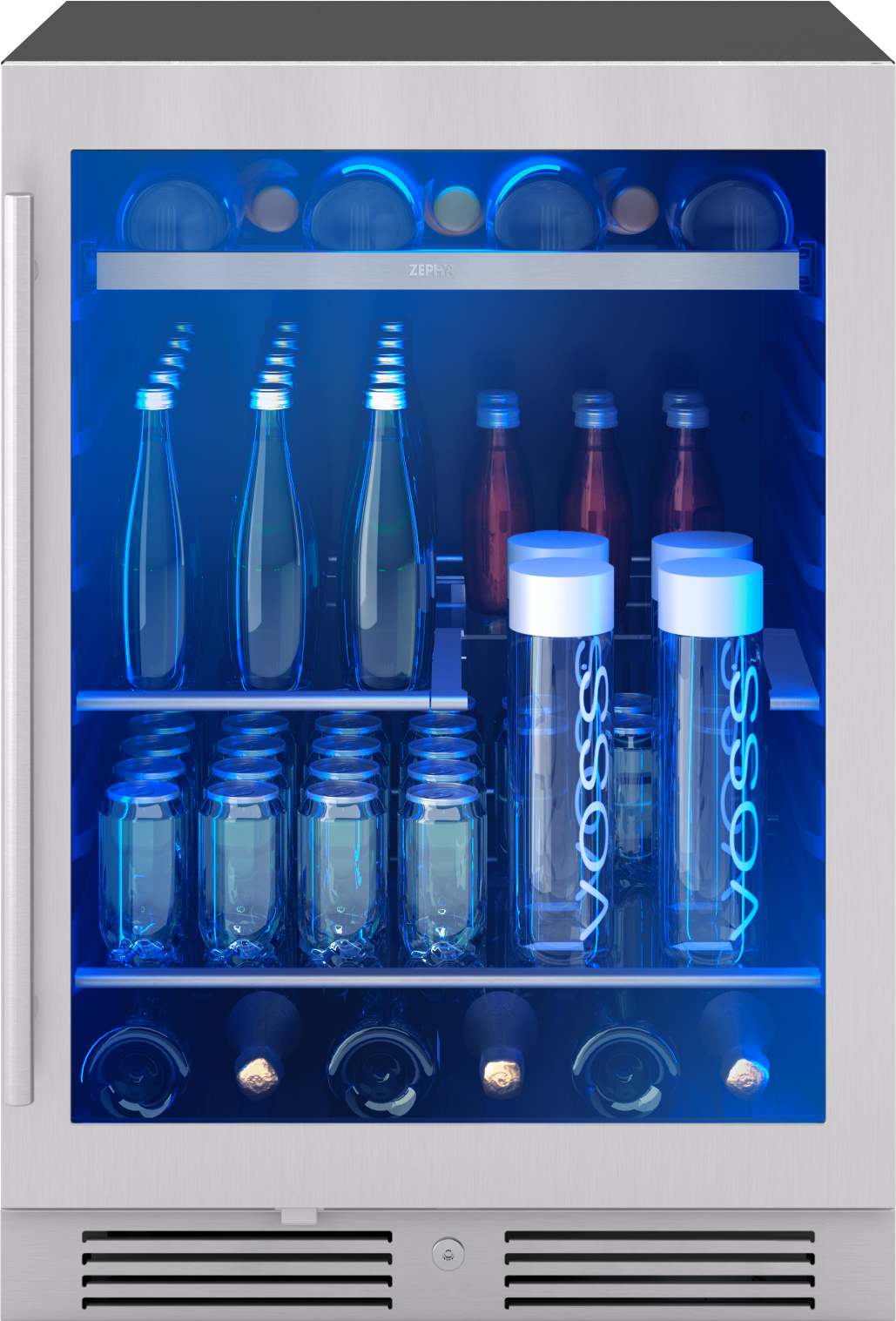
Basic wine fridges offer a single zone, which means one temperature setting for all your bottles. That works if you’re only storing reds or only storing whites, but not if you want to age both side by side. Dual-zone units have separate compartments, letting you set one chamber at 55°F for reds and the other at 48°F for whites.
| Feature | Single-zone wine fridge | Dual-zone wine fridge |
|---|---|---|
| Temperature zones | One compartment at one temp | Two compartments at different temps |
| Ideal for | Short-term chilling | Aging and chilling different styles |
| Cost | More budget-friendly | Higher price range |
| Flexibility | Limited | Greater |
Pros of wine fridge cooler
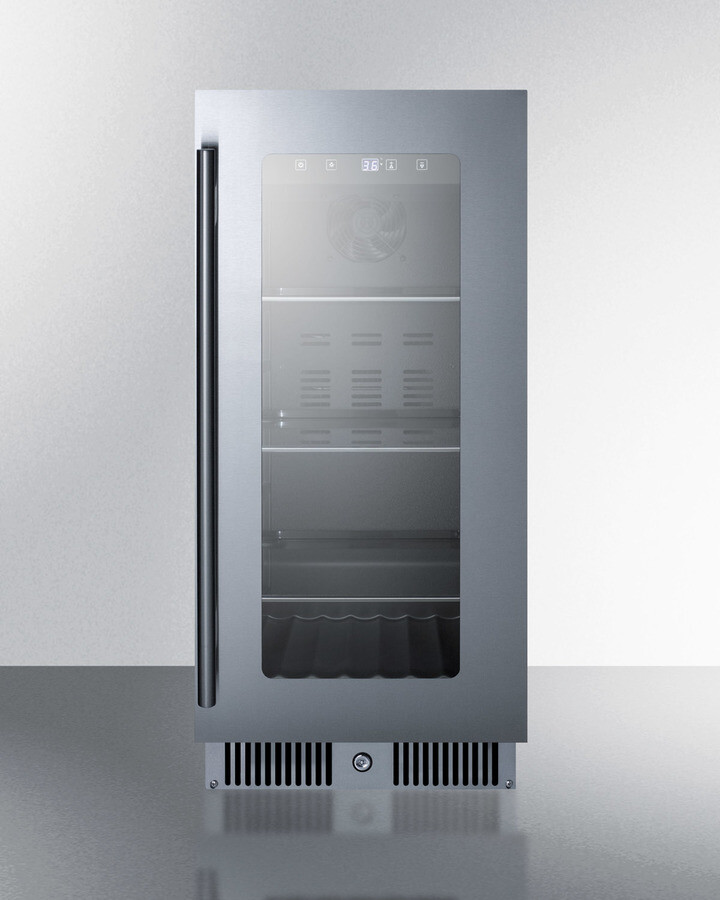
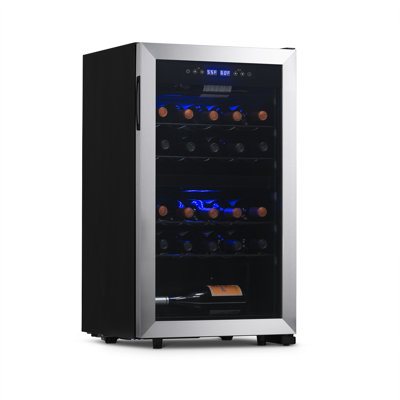
If you’re weighing options, consider a wine fridge cooler designed specifically for proper storage. These units often include:
- Precise digital thermostats
- UV-resistant doors or tinted glass
- Wooden or vibration-absorbing shelves
- Adjustable humidity features
They may cost more than a generic beverage fridge or a combo unit, but the payoff is consistent aging and better preservation of high-value bottles.
Setting up for aging
Temperature settings
Once your fridge is in place, give it 24 to 48 hours to stabilize at your chosen temperature. Avoid cranking it down to extreme lows to chill faster; rapid changes can create condensation. Instead, dial it in and resist frequent adjustments.
Adjusting humidity
If your unit has a built-in humidifier tray, fill it with distilled water according to the manual. For models without this feature, you can place a small dish of water on a lower shelf. Check humidity weekly with a simple hygrometer. Aim for that sweet spot of 60% to 70%.
Reducing vibration
Place your wine fridge on a solid, level surface away from heavy foot traffic or other appliances. If you still feel rumbling, inexpensive vibration-dampening pads or a rubber mat under the unit can help. The goal is near-perfect stillness so sediments settle uninterrupted.
Storing your bottles
Bottle orientation
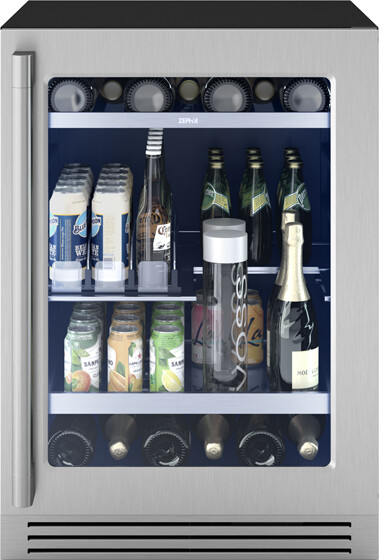
Lay wine bottles on their side, especially those with natural corks. This keeps the cork moist, preventing air entry. For screw-cap bottles, you have more flexibility, but horizontal storage also saves space and ensures an even internal temperature.
Label visibility
Position your bottles so you can read labels at a glance. This makes rotation and tracking of vintages easier—critical when you have several aging at different stages. A simple labeling system on the fridge door or a spreadsheet can keep you organized if your collection grows.
Maintaining optimal conditions
Routine inspections
Check temperature and humidity weekly. Make it part of your kitchen or cellar routine, much like checking fridge expiration dates. If you notice swings, troubleshoot immediately—faulty seals, gasket issues, or overstuffing can be the culprit.
Cleaning fridge coils
Dusty coils force compressors to work harder, leading to temperature fluctuations. The process is similar to deep freezers—unplug the unit, pull it out, and gently vacuum coils behind the fridge. For more detail on coil maintenance, see our guide on how to clean deep freezer coils. A clean unit means stable aging conditions and lower energy bills.
Tips for different users
Home chefs and families
If you’re a busy home chef or a parent who juggles school lunches and dinner plans, a wine fridge doubles as extra beverage storage. Keep dinner-ready bottles at the front and long-term aging selections toward the back. Label weekend openers clearly so you’re not digging for the right cabernet before guests arrive.
Commercial kitchens
In a restaurant, consistency is king. Investing in a dedicated aging fridge ensures staff can quickly retrieve perfectly matured bottles. Color-coded tags or weekly rotation schedules help maintain order. Consider investing in a larger dual-zone unit if you regularly pour both reds and whites by the glass.
Alternatives and upgrades
Built-in cellars
If you’re renovating or have a cool basement, a built-in wine cellar might be the ultimate aging solution. Custom racking, precise HVAC, and brick or stone walls all contribute to ideal conditions. The upfront cost is higher, but if you’re planning to collect rare vintages, it’s worth considering.
Dual function fridge
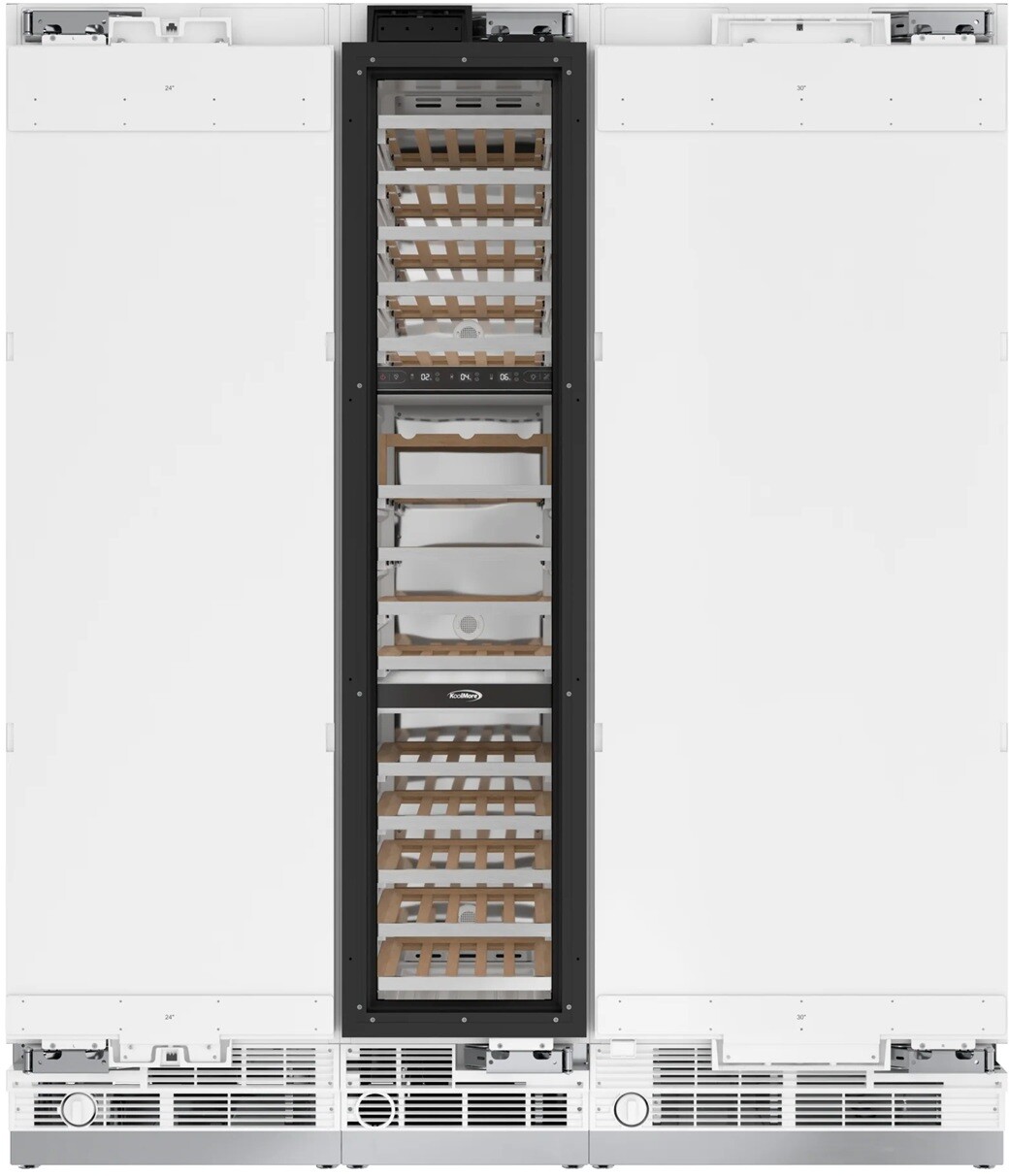
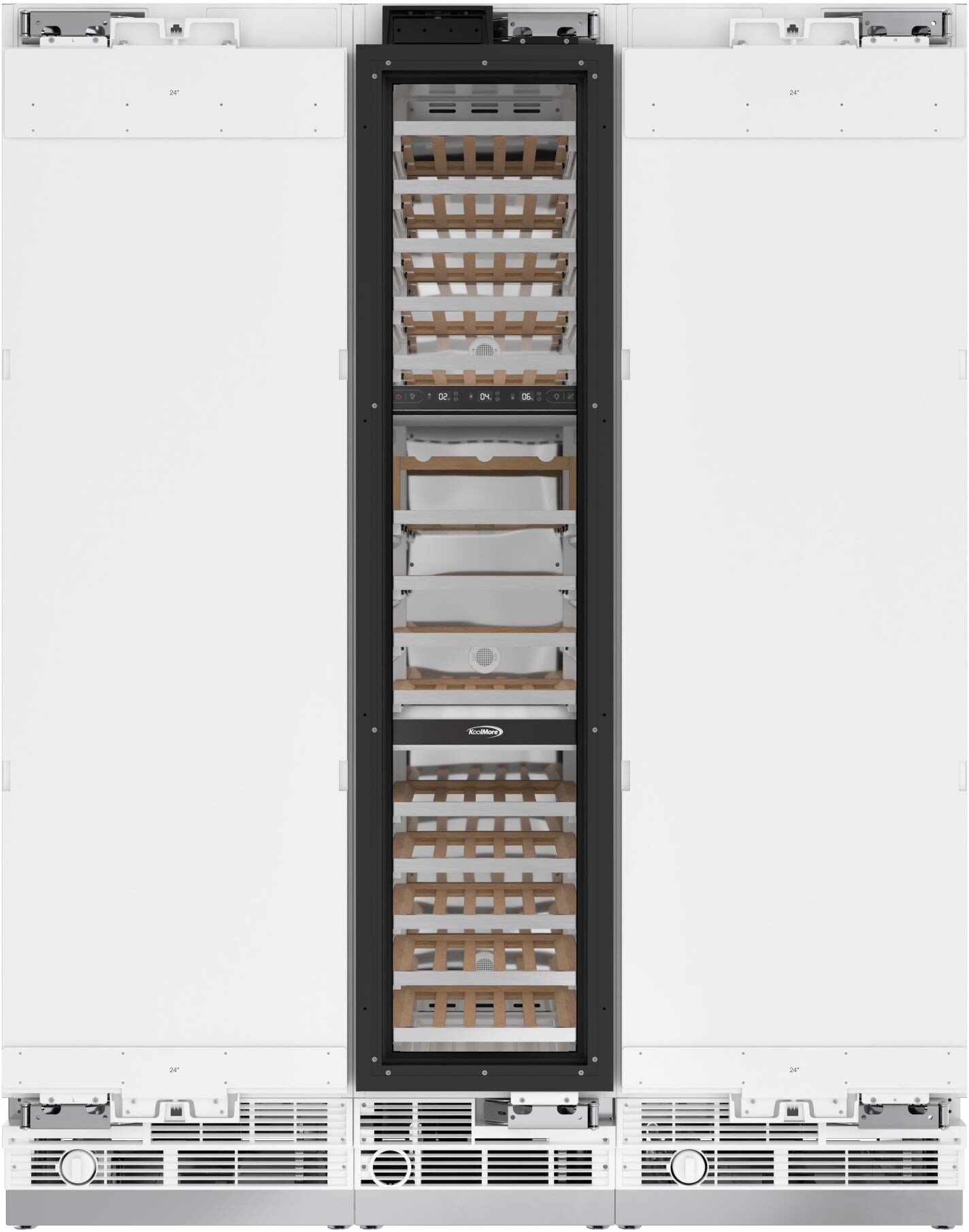
For kitchens with limited space, a dual function fridge that combines a standard refrigerator and a wine compartment can be a clever compromise. You get your everyday perishables alongside an optimized climate for aging bottles.
Additional storage solutions
Beyond fridges and cellars, there are other options. Wine cabinets offer sealed, insulated storage without refrigeration, relying on ambient room temperature in cool climates. Offsite climate-controlled lockers provide bank-style security for high-value collections. Choose what fits your budget, space, and collection goals.
Frequently asked questions
Aging timeframe
How long should you age? It depends on the wine. Young, high-tannin reds like Bordeaux can benefit from 5 to 20 years of cellar time. Many whites peak within 2 to 5 years. If you’re just starting out, pick a few affordable bottles and experiment at 6-month intervals to find your favorite window.
Best substitutes
If your fridge can’t maintain stable conditions, consider short-term solutions. A cool, dark closet or wine storage boxes placed in a basement corner can work for 6 to 12 months. For longer storage, renting a slot in a professional storage facility ensures perfect conditions without the hassle of in-home maintenance.
Final thoughts and recap
Can you age wines in a regular wine fridge? The answer is yes, provided your unit offers stable temperature control, proper humidity, minimal vibration, and protection from light. Start by checking your fridge’s specs, then set it up with labeled bottles, a hygrometer, and routine maintenance. Whether you’re a home cook looking to elevate weeknight dinners or a restaurant chef aiming for consistent glass pours, thoughtful storage pays off in flavor complexity and enjoyment. If your fridge falls short, explore built-in cellars, dual-function models, or offsite lockers. With the right environment, your wines will develop the character you’ve dreamed of—one glass, one milestone, one celebration at a time.