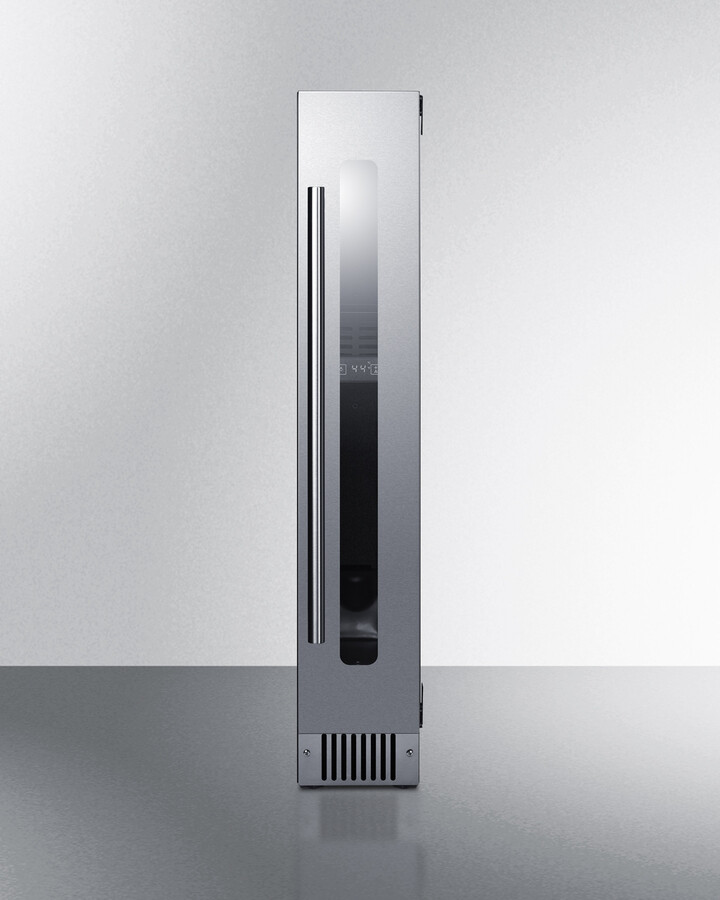
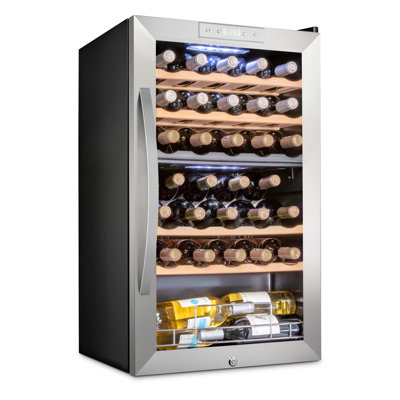
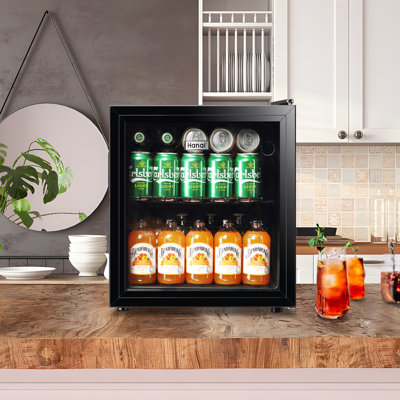
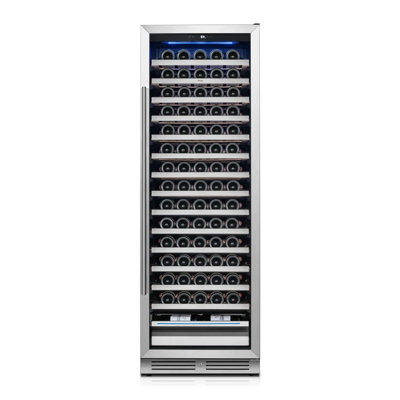
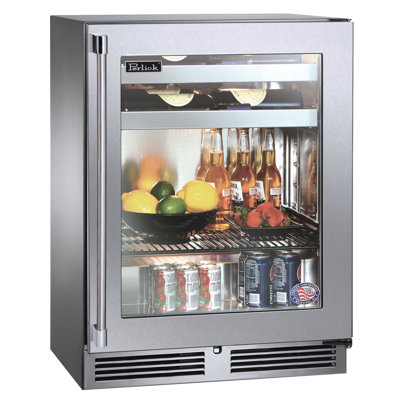
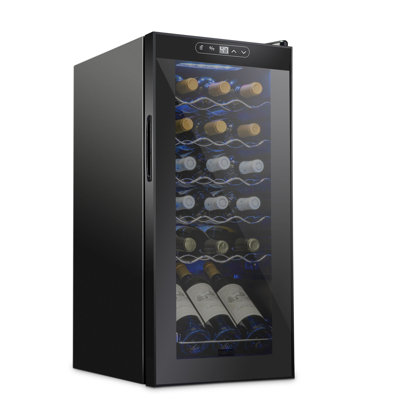
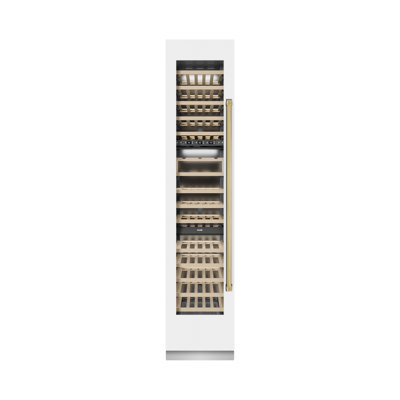
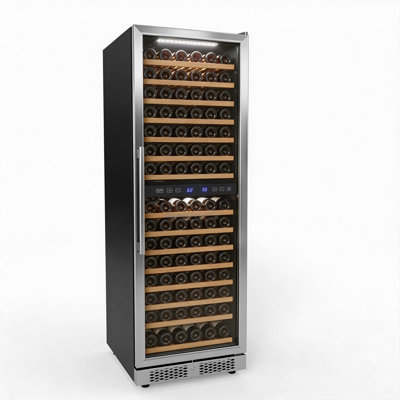
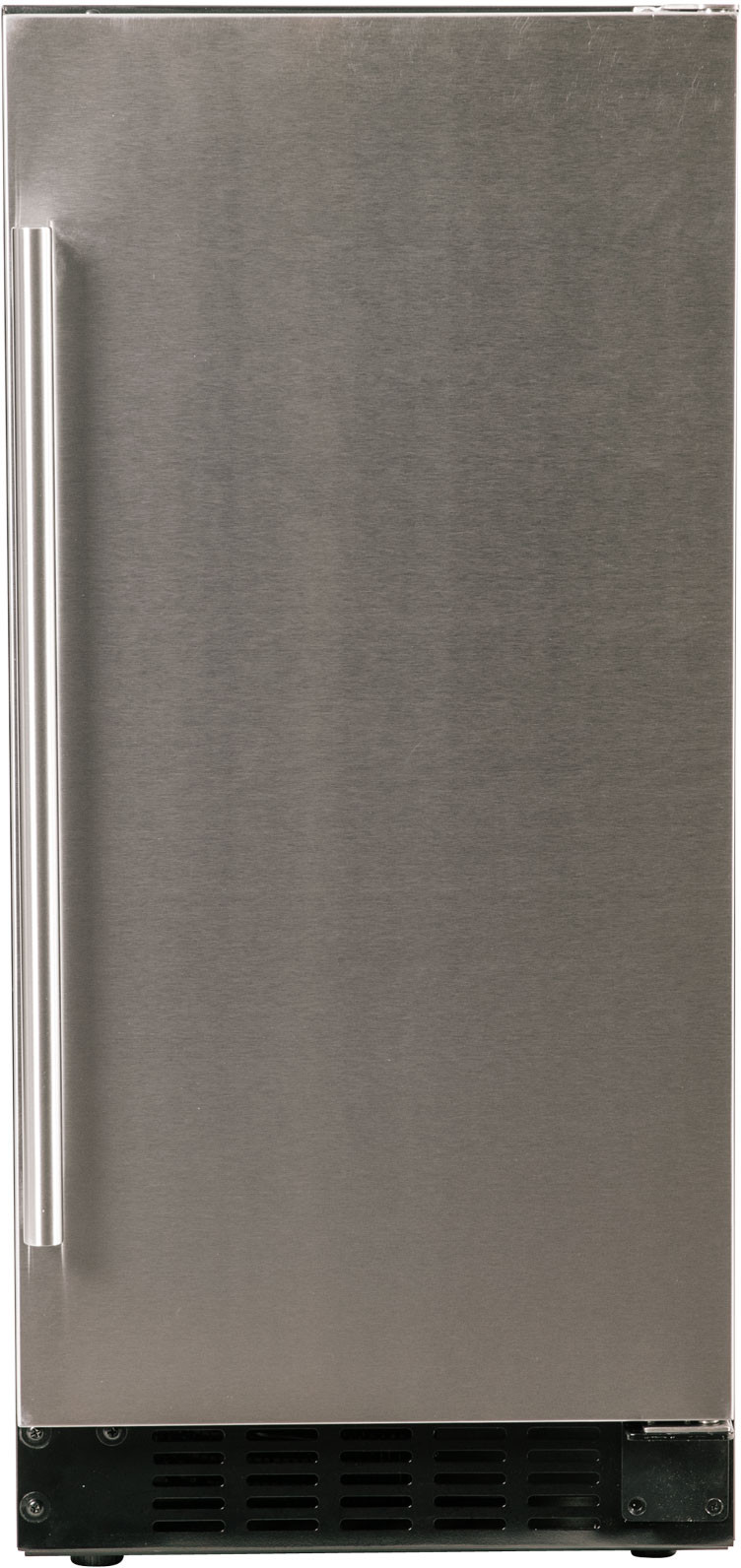
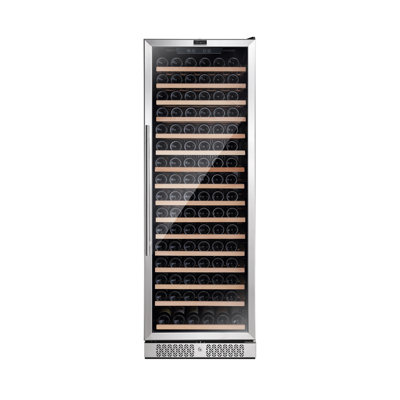
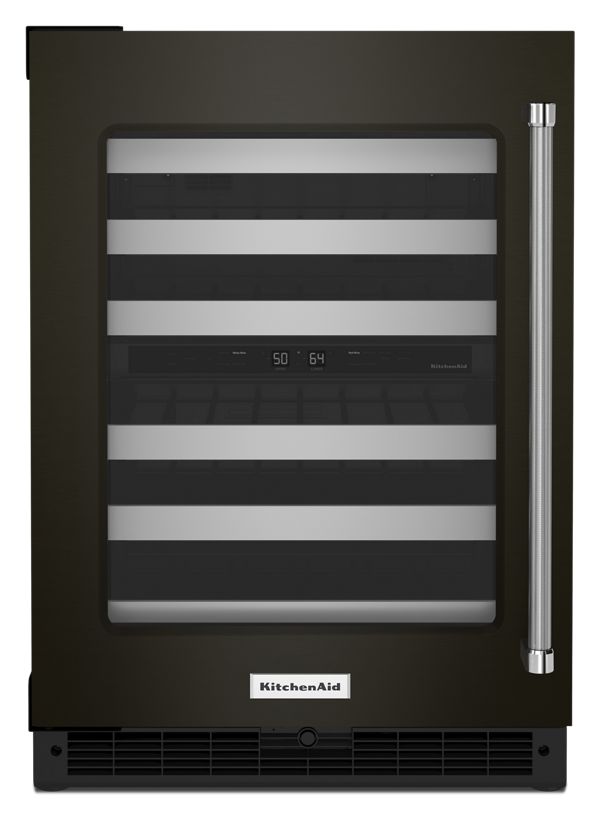
Drawer freezers hold frozen food at 0°F or below, while freestanding wine coolers store wine at 45°F to 65°F — a temperature gap so large that neither appliance can substitute for the other. Wine freezes at around 25°F, so a drawer freezer would crack your bottles, and frozen food thaws and spoils at wine-cooler temperatures. Both appliance types fit a standard 34- to 35-inch under-counter opening, which is why the real decision comes down to what you need to store: frozen food, wine, or both.
Picking the Right Fridge: Drawer Freezers Vs. Wine Coolers
Drawer Freezers: Your Frozen Food Buddy
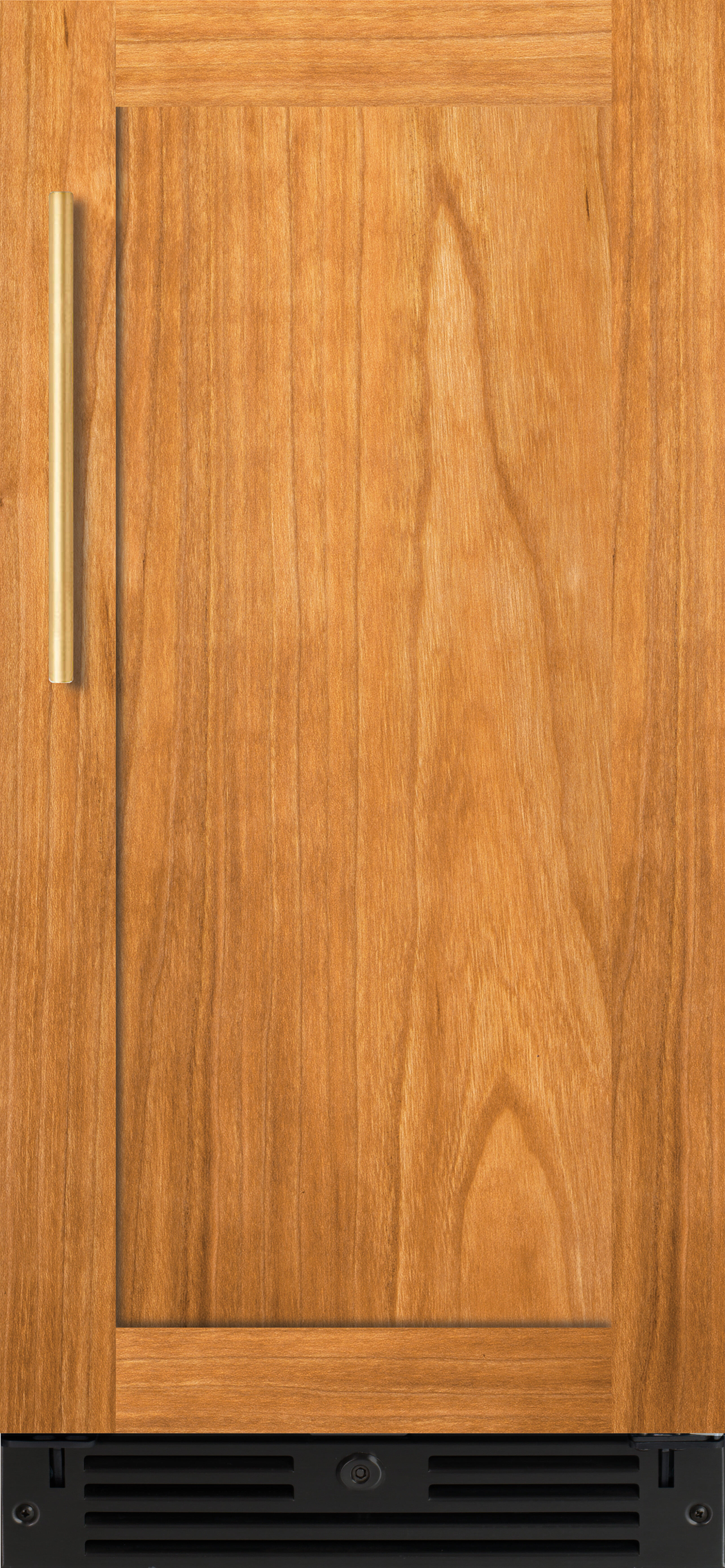
Drawer freezers are pull-out freezer drawers, typically 34 to 35 inches tall so they slide right into kitchen cabinetry or under the counter. They maintain 0°F or below — the USDA-recommended temperature for freezer storage — and hold frozen meals, ice, meat, and bulk items. Because they open with a pull-out drawer instead of a swinging door, they fit in tight spaces like islands and bar areas.
They come in different sizes, from compact single-drawer units to larger multi-drawer models, and hold a steady temperature, making them ideal as a secondary freezer for items you grab often. The drawer layout also helps with organization: you can dedicate one drawer to ice, another to frozen meals, another to bulk meat, and reach everything without bending into a deep chest freezer.
Curious how drawer freezers stack up against other options? Check out Fridge.com comparisons on double drawer refrigerator Vs. freestanding drawer refrigerator and freestanding drawer freezer Vs. skincare fridge.
Freestanding Wine Coolers: For the Wine Lovers
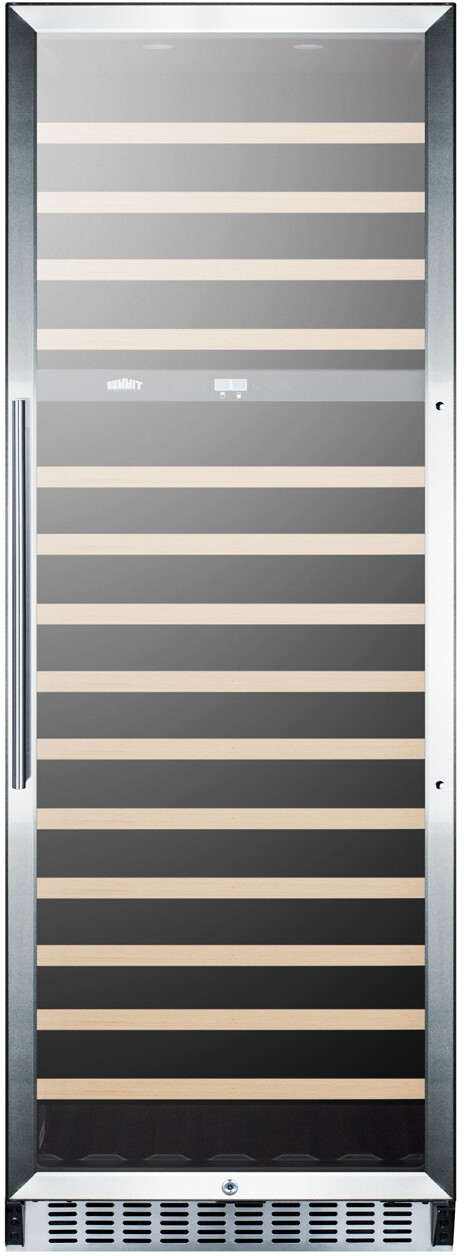
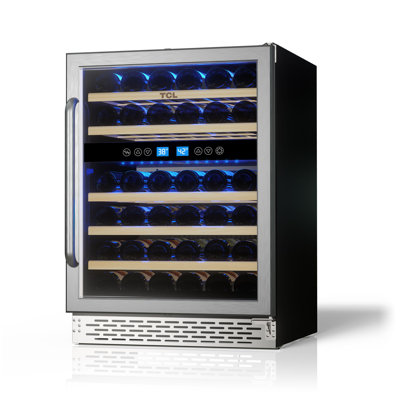
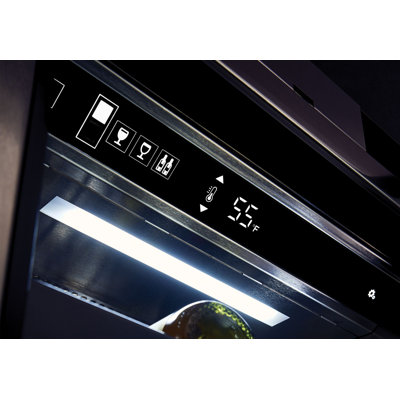
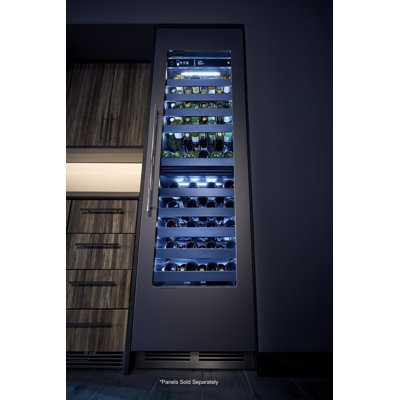
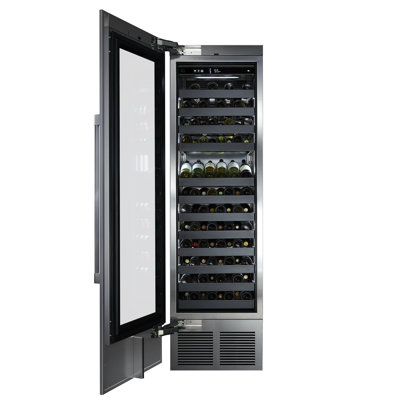
Freestanding wine coolers keep wine between 45°F and 65°F — whites at 45–50°F and reds at 55–65°F — with the humidity conditions that keep corks from drying out. Shelving is designed for bottles, horizontal or angled to keep corks moist. They are a single-purpose appliance: no freezer function, and no cold enough zone for perishable food.
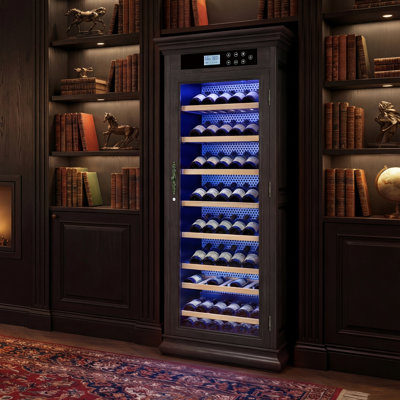
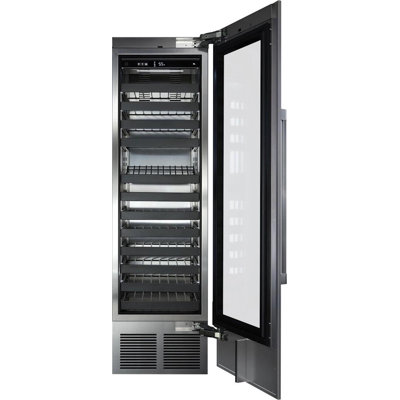
Freestanding units are plug-and-play — place them anywhere with ventilation clearance and plug them in. Under-counter models fit a 34- to 35-inch opening; full-height models need floor space, and either can be moved later. Capacities range from small units holding a handful of bottles to large cabinets storing 100 or more. Features include adjustable shelves, UV-protected glass doors, and digital controls for setting separate conditions for reds, whites, and sparkling wine.
Want to see how these coolers compare to other fridges? Dive into Fridge.com articles on convertible freezer Vs. freestanding wine cooler and office freezer Vs. wine cooler.
Functionality and Design
Drawer Freezers: The Lowdown
Drawer freezers slide right under your countertops or fit snugly into your cabinets, perfect for kitchens where space is tight.
Why Drawer Freezers Rock:
- Compact Fit: Tucks neatly under counters or into cabinets.
- Easy Access: Pull-out drawers make grabbing frozen goodies a breeze.
- Organized Storage: Adjustable dividers help keep everything in order.
- Temperature Control: Precise settings to keep your food just right.
- Energy Savers: Modern models use less electricity, saving you money.
- Quiet Time: Runs quietly, great for open-plan living areas.
| Feature | Description |
|---|---|
| Design | Fits under counters or in cabinets |
| Access | Easy pull-out drawers |
| Organization | Adjustable dividers |
| Temperature Control | Precise settings |
| Energy Efficiency | Uses less energy |
| Noise Level | Quiet operation |
Want more on drawer freezers? Check out Fridge.com comparison on double drawer refrigerator Vs. freestanding drawer refrigerator.
Freestanding Wine Coolers: The Essentials
Freestanding wine coolers are built to keep your wine at its best, maintaining the temperature and humidity that preserve each bottle.
Why Freestanding Wine Coolers Are Awesome:
- Temperature Zones: Some models have multiple zones for different wines.
- Big Capacity: Holds lots of bottles, depending on the model.
- Humidity Control: Keeps the right humidity to preserve wine quality.
- UV Protection: Glass doors with UV protection to shield your wine.
- Vibration Reduction: Minimizes vibrations to keep wine undisturbed.
- Stylish Look: Sleek designs that add a touch of class to any room.
| Feature | Description |
|---|---|
| Temperature Zones | Multiple zones for different wines |
| Capacity | Holds many wine bottles |
| Humidity Control | Maintains proper humidity levels |
| UV Protection | UV-protected glass doors |
| Vibration Reduction | Minimizes vibrations |
| Aesthetic Design | Sleek and stylish appearance |
Curious about wine coolers? Dive into Fridge.com article comparing convertible freezer Vs. freestanding wine cooler.
For more comparisons, check out Fridge.com articles on column refrigerator Vs. mini fridge with freezer and refrigerator freezer combo Vs. standard refrigerator size.
Can They Substitute for Each Other? No — Here's Why
These two appliances serve completely different purposes and cannot stand in for each other, even for a short time:
- You cannot store wine in a drawer freezer. A drawer freezer runs at 0°F, and wine freezes at around 25°F. At freezer temperatures, expansion can crack bottles and push out corks.
- You cannot store frozen food in a wine cooler. At 45–65°F, frozen items thaw and spoil. The USDA recommends discarding food that has thawed and been above 40°F for more than 2 hours.
- A wine cooler cannot double as a beverage or food fridge. The USDA recommends 40°F or below for perishables like milk, cheese, meat, and leftovers. A wine cooler at 52°F would allow bacterial growth in dairy and meat.
- A drawer freezer cannot chill wine for serving. At 0°F the wine would freeze outright.
Storing wine in a standard refrigerator does not solve the problem either — a fridge at 38°F over-chills wine, which is why wine coolers exist: they fill the gap between refrigerator temperature and room temperature. If you need both wine storage and under-counter frozen storage, plan for two units. Both fit a 34- to 35-inch under-counter opening, so a wine cooler and a drawer freezer can sit side by side in an island or bar if your layout allows.
Space and Placement
Best Spots for Drawer Freezers
Drawer freezers are super flexible and can slide into various nooks around your house. They're great for places where you need quick access to frozen goodies.
- Kitchen: Perfect for grabbing frozen items while cooking. They blend right into your kitchen cabinets.
- Pantry: Extra storage for your frozen foods, keeping everything neat and tidy.
- Garage: Great for bulk storage without cluttering your kitchen.
- Basement: Handy for overflow storage, especially for big families or bulk shoppers.
| Location | Benefits |
|---|---|
| Kitchen | Quick access, blends in |
| Pantry | More storage, organized |
| Garage | Bulk storage, kitchen stays clear |
| Basement | Extra space, good for big families |
Want more tips on freezer options? Check out Fridge.com guide on freestanding drawer freezer Vs. skincare fridge.
Best Spots for Freestanding Wine Coolers
Freestanding wine coolers are all about showing off and preserving your wine collection. Where you put them can impact both your wine's quality and your home's vibe.
- Dining Room: Handy for dinner parties. Grab a bottle without leaving the table.
- Living Room: Adds a classy touch. It's a great conversation starter.
- Home Bar: Perfect for party hosts. Keeps wine within arm's reach.
- Kitchen: If you've got the space, it's convenient for meal prep and serving.
| Location | Benefits |
|---|---|
| Dining Room | Easy access during meals |
| Living Room | Classy display, great ambiance |
| Home Bar | Party-ready, easy access |
| Kitchen | Convenient, if you have room |
Curious about wine cooler placements? Dive into Fridge.com article on convertible freezer Vs. freestanding wine cooler.
Ventilation and Clearance Rules for Both
Both appliances run 24/7 and need airflow to work efficiently:
- Leave clearance for ventilation per the manual — typically 2 to 4 inches at the back. Blocking vents causes overheating and can shorten compressor life.
- Avoid placement next to heat sources like an oven or radiator; a unit beside one runs harder and uses more energy.
- Keep wine coolers out of direct sunlight — UV light can degrade wine over time. Drawer freezers are less light-sensitive but still benefit from a cool location.
Temperature Control and Settings
Drawer freezers hold 0°F or below for frozen food; wine coolers hold 45°F to 65°F for bottles. Each uses a different cooling approach to hit its target.
Cooling Mechanisms in Drawer Freezers
Drawer freezers usually use either a compressor-based system or a frost-free cooling system.
- Compressor-Based Cooling: This system uses a compressor to push refrigerant through coils, which soak up heat from inside and kick it outside. It's super consistent and efficient.
- Frost-Free Cooling: This one stops ice from building up by heating the cooling coils every now and then to melt any frost. No need to defrost it yourself.
| Feature | Compressor-Based Cooling | Frost-Free Cooling |
|---|---|---|
| Temperature Consistency | High | Moderate |
| Maintenance | Low | Low |
| Energy Efficiency | High | Moderate |
Want to know more? Check out Fridge.com articles on double drawer freezer Vs. upright refrigerator and freestanding drawer freezer Vs. skincare fridge.
Cooling Mechanisms in Freestanding Wine Coolers
Freestanding wine coolers keep your wine between 45°F and 65°F — whites store and serve best at 45–50°F, reds at 55–65°F. They use either a thermoelectric cooling system or a compressor-based system.
- Thermoelectric Cooling: This system uses the Peltier effect, running an electric current through a junction of two different conductors. It's vibration-free, which is great for wine.
- Compressor-Based Cooling: Like drawer freezers, this system uses a compressor to move refrigerant around. It's strong and good for bigger wine collections.
| Feature | Thermoelectric Cooling | Compressor-Based Cooling |
|---|---|---|
| Temperature Range | 45°F - 65°F | 45°F - 65°F |
| Vibration | None | Low |
| Noise Level | Low | Moderate |
| Energy Efficiency | High | Moderate |
For more cool comparisons, check out Fridge.com articles on convertible freezer Vs. freestanding wine cooler and office freezer Vs. wine cooler.
Capacity and Storage
Capacity is measured differently for each: drawer freezer capacity is stated in cubic feet, while wine cooler capacity is stated in bottles. A standard 750 ml bottle occupies roughly 0.04 cubic feet.
Drawer Freezers: Organized and Handy
Drawer freezers come with multiple drawers that slide out, making it easy to grab what you need without digging through a frozen jungle. You can sort your food into different compartments, so no more mystery meat at the bottom.
| Drawer Freezer Size | Approximate Capacity (Cubic Feet) |
|---|---|
| Small | 3 - 5 |
| Medium | 6 - 8 |
| Large | 9 - 12 |
Want more deets on freezer options? Check out Fridge.com article on freestanding drawer freezer Vs. skincare fridge.
Freestanding Wine Coolers: Chill Your Vino
Freestanding wine coolers come with shelves that you can adjust or remove, so you can fit all kinds of bottles, from your everyday reds to those fancy champagne magnums.
| Wine Cooler Size | Bottle Capacity |
|---|---|
| Small | 6 - 20 bottles |
| Medium | 21 - 50 bottles |
| Large | 51 - 100+ bottles |
For more on wine storage, check out Fridge.com article on freestanding drawer freezer Vs. skincare fridge.
Energy Efficiency
Both appliances run around the clock, but because a wine cooler holds a warmer target temperature, it generally uses less electricity than a drawer freezer. ENERGY STAR certifies efficient models of both types, and the DOE sets efficiency standards for freezers.
Energy Usage of Drawer Freezers
Drawer freezers are usually more energy-efficient than big upright freezers because they're smaller and better insulated. Actual use depends on the model, size, and how often you open the drawers.
| Drawer Freezer Model | Energy Consumption (kWh/year) |
|---|---|
| Small Drawer Freezer | 200 |
| Medium Drawer Freezer | 300 |
| Large Drawer Freezer | 400 |
Want to see how drawer freezers stack up against other types? Check out Fridge.com article on freestanding drawer freezer Vs. skincare fridge.
Energy Usage of Freestanding Wine Coolers
Wine coolers usually use less energy than regular fridges because they cool to a warmer target. Energy use changes with the size and features of the cooler.
| Wine Cooler Model | Energy Consumption (kWh/year) |
|---|---|
| Small Wine Cooler | 150 |
| Medium Wine Cooler | 250 |
| Large Wine Cooler | 350 |
What That Means on Your Electric Bill
At an electricity rate of 15 cents per kWh, a 24-bottle wine cooler typically costs about $15 to $25 per year to run, while a 10-cubic-foot drawer freezer costs roughly $30 to $45 per year. Placement matters too: a unit next to a heat source runs harder and costs more.
Curious about how wine coolers compare to other appliances? Dive into Fridge.com comparison on convertible freezer Vs. freestanding wine cooler. For more tips on different refrigeration options, check out Fridge.com related articles like column refrigerator Vs. french door refrigerator and 5 door refrigerator Vs. bottom freezer refrigerator.
Keeping Your Drawer Freezer and Wine Cooler in Top Shape
Good maintenance extends the life of both appliances and keeps them efficient — the DOE notes that dirty coils can increase energy use by 10 to 30 percent.
Drawer Freezer TLC
- Clean It Up: Every few months, give your freezer a good wipe-down inside and out with some mild soap and warm water. Skip the harsh chemicals—they can mess up the finish.
- Defrosting: If your freezer isn't frost-free, you'll need to defrost it regularly. Unplug it, take everything out, and let the ice melt before you clean it up.
- Seal Check: Look at the door seals for any cracks or damage. Bad seals make your freezer work harder and use more energy. Replace them if they're worn out.
- Keep It Cool: Make sure there's enough space around the freezer for air to flow. Blocked vents can overheat the compressor and mess with efficiency.
- Temperature Check: Keep an eye on the temperature settings. Hold 0°F or below to keep food safely frozen and the freezer running efficiently.
| Maintenance Task | How Often |
|---|---|
| Clean Inside and Out | Every 3-6 months |
| Defrost (if needed) | Every 6 months |
| Check Seals | Every 6 months |
| Ventilation Check | Monthly |
| Temperature Check | Monthly |
Want to know more about different freezers? Check out Fridge.com article on freestanding drawer freezer Vs. skincare fridge.
Wine Cooler TLC
- Clean It Up: Regularly clean the inside and outside with a soft cloth and mild soap. Avoid anything abrasive that could scratch the surface.
- Dust the Coils: Dust can build up on the cooling coils and make your cooler less efficient. Clean them every six months with a vacuum or brush.
- Seal Check: Inspect the door seals for wear and tear. Good seals keep the temperature and humidity just right. Replace them if they're damaged.
- Temperature Check: Use a thermometer to make sure the internal temperature matches the recommended settings for your wine. Adjust if needed.
- Humidity Control: If your cooler has a humidity control feature, keep an eye on it. Proper humidity prevents corks from drying out.
| Maintenance Task | How Often |
|---|---|
| Clean Inside and Out | Every 3-6 months |
| Clean Coils | Every 6 months |
| Check Seals | Every 6 months |
| Temperature Check | Monthly |
| Humidity Control | Monthly |
For more tips on keeping your wine cooler in shape, read Fridge.com article on convertible freezer Vs. freestanding wine cooler.
Making the Right Choice
Things to Think About Before You Decide
Start with your main refrigerator and freezer capacity. If your main fridge already has ample freezer space, a wine cooler is likely the better under-counter addition; if your main freezer is full and you freeze in bulk, a drawer freezer makes more sense. Then weigh these factors:
What's It For?: Are you stashing frozen pizzas or preserving your prized Pinot Noir? Drawer freezers keep groceries at 0°F, while wine coolers maintain 45–65°F for proper wine storage and serving.
Space Check: Where's this thing going? Drawer freezers can slide right into your kitchen cabinets, but wine coolers need their own spot — both fit a 34- to 35-inch under-counter opening.
How Much Room?: How much stuff are you storing? Drawer freezers hold 3 to 12 cubic feet, while wine coolers hold 6 to 100+ bottles.
Temperature Tweaks: Do you need precise temperature control? Drawer freezers let you adjust settings for different frozen foods, while wine coolers have specific settings for reds, whites, and bubbly.
Energy Bills: How much juice do they use? A wine cooler runs about $15–25 per year at 15 cents per kWh; a drawer freezer runs about $30–45.
| Feature | Drawer Freezer | Freestanding Wine Cooler |
|---|---|---|
| Purpose | Store frozen foods | Store wine |
| Operating Temperature | 0°F or below | 45°F - 65°F |
| Space Needs | Fits in cabinetry | Needs its own space |
| Capacity | 3 - 12 cubic feet | 6 - 100+ bottles |
| Temperature Control | Adjustable settings | Specific wine settings |
| Energy Efficiency | Varies by model | Varies by model |
Want more info on fridges? Check out Fridge.com comparison on column refrigerator Vs. mini fridge with freezer.
Matching Your Needs and Preferences
For Food Storage: If you're all about keeping your frozen groceries organized, a drawer freezer is your best bet. It's designed for easy access and holds the USDA-recommended 0°F for frozen food.
For Wine Lovers: If wine is your thing, a freestanding wine cooler is the way to go. These coolers keep your wine at the proper temperature and humidity — something no freezer or standard fridge can do.
Tight on Space?: If space is tight, think about how each appliance fits. Drawer freezers can blend into your kitchen cabinets, making them great for small kitchens. Wine coolers need their own spot but can add a touch of style to your home.
Need Both?: They cannot substitute for each other, so if you need wine storage and extra frozen storage, plan for two under-counter units side by side.
For a detailed comparison of different refrigeration options, visit column refrigerator Vs. french door refrigerator.
Frequently Asked Questions
Can you store wine in a drawer freezer?
No. Drawer freezers run at 0°F or below, and wine freezes at around 25°F. At freezer temperatures the wine expands, which can crack bottles and push out corks. Wine needs 45–65°F storage, which only a wine cooler provides.
Can a wine cooler store frozen food?
No. Wine coolers run at 45–65°F, so frozen food would thaw and spoil. The USDA recommends discarding food that has thawed and been above 40°F for more than 2 hours.
Can a wine cooler work as a beverage or snack fridge?
Not for perishables. The USDA recommends 40°F or below for milk, cheese, meat, and leftovers. A wine cooler at 52°F would allow bacterial growth in dairy and meat. Use a wine cooler for wine only.
What temperature should each appliance run at?
Drawer freezers should hold 0°F or below, per USDA freezer guidance. Wine coolers should hold 45–65°F: whites at 45–50°F and reds at 55–65°F.
Do both fit under a standard counter?
Yes. Both under-counter drawer freezers and under-counter wine coolers are typically 34 to 35 inches tall and fit a standard opening. If you need both functions, they can sit side by side in an island or bar area. Leave 2 to 4 inches of rear clearance for ventilation on each.
Which costs more to run?
The drawer freezer, because it cools to a much lower temperature. At 15 cents per kWh, a 24-bottle wine cooler costs about $15–25 per year, while a 10-cubic-foot drawer freezer costs about $30–45 per year. ENERGY STAR-certified models of either type use less.
Why not just keep wine in a regular refrigerator?
A standard refrigerator at 38°F over-chills wine. Wine coolers fill the gap between fridge temperature and room temperature, offering the 45–65°F range that suits wine storage and serving, plus humidity that keeps corks from drying out.
Which should I choose if I only have room for one?
Check your main freezer first. If it has ample space, add the wine cooler; if it is full and you freeze in bulk or need ice at a bar, add the drawer freezer. Match the appliance to your actual storage needs — neither can do the other's job.
Get Your Upgrade or New Addition at Fridge.com
Whether you're searching for your perfect fridge, freezer, wine fridge, beer fridge, ice maker, or kegerator, Fridge.com has what you need.
Shop the world's best brands at Fridge.com.
It also has tons of awesome articles about kitchen stuff and home news. Enhance your home, garage, backyard, patio, and office with the coolest essentials. With every necessary type of residential refrigerator or freezer in the collection, you're covered.
Elevate your game and shop now at Fridge.com!