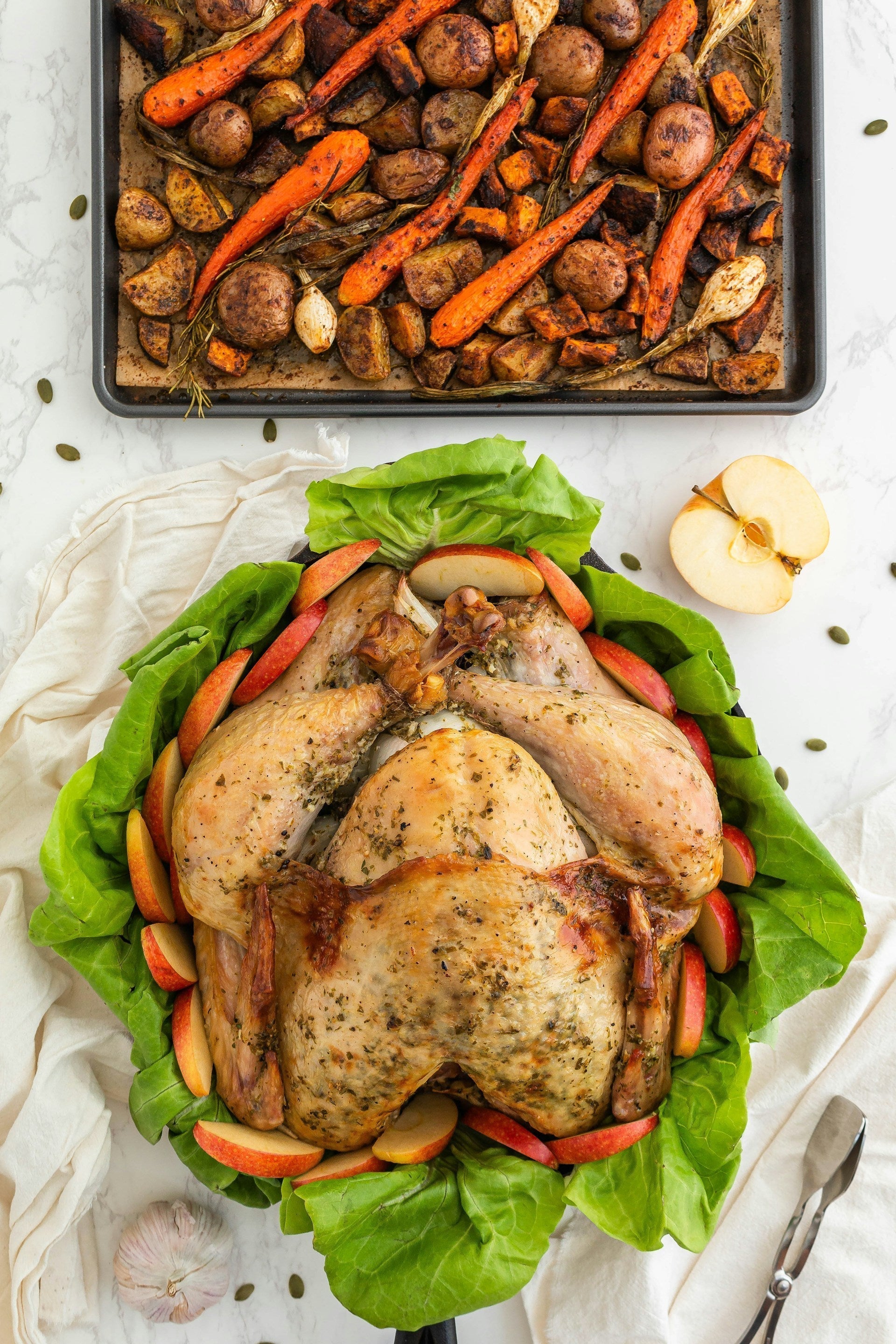
Cooked turkey lasts 3 to 4 days in the fridge when it is stored in an airtight container at 40°F (4°C) or below, and 2 to 6 months in the freezer. Turkey stock or gravy keeps for a shorter window of 1 to 2 days. To get the full 3 to 4 days, refrigerate the turkey within two hours of cooking (within one hour if the room is above 90°F) and reheat leftovers to 165°F (74°C) before serving.
How Long Cooked Turkey Lasts in the Fridge
Use this breakdown for every form your leftover turkey takes:
| Type of Turkey | Fridge (40°F/4°C or below) | Freezer |
|---|---|---|
| Whole Cooked Turkey | 3 to 4 days | 2 to 6 months |
| Cooked Turkey Pieces | 3 to 4 days | 2 to 6 months |
| Turkey Stock or Gravy | 1 to 2 days | — |
If you won't finish the turkey within that 3-to-4-day window, move it to the freezer before the window closes rather than pushing your luck. Curious how other foods hold up in the cold? See how long can bacon last in the refrigerator? and how long does ginisang bagoong sauce last in the fridge?.
Storing Cooked Turkey in the Fridge
Refrigerate Within Two Hours
Get cooked turkey into the fridge within two hours of cooking — bacteria multiply fast at room temperature. If the room is hotter than 90°F, cut that limit to one hour. Carve the bird into smaller pieces before storing: smaller portions chill faster in shallow containers and reheat more evenly later.
Choose the Right Container
Air is the enemy — a tight seal locks in moisture, keeps fridge odors out, and keeps bacteria at bay. Any of these work:
| Container Type | Why It Works |
|---|---|
| Glass Containers | Keep flavors intact and go straight into the oven or microwave for reheating. |
| Plastic Containers | Lightweight and easy to stack — choose BPA-free versions. |
| Freezer Bags | Best for long-term freezer storage; they take up minimal space. |
| Foil or Plastic Wrap | Fine for short fridge stays if wrapped tightly with no exposed meat. |
Label every container with the storage date so there is no guessing how long the turkey has been in there. For more on containers and fridge accessories, see our guide to proper storage containers.
Keep the Fridge at 40°F or Below
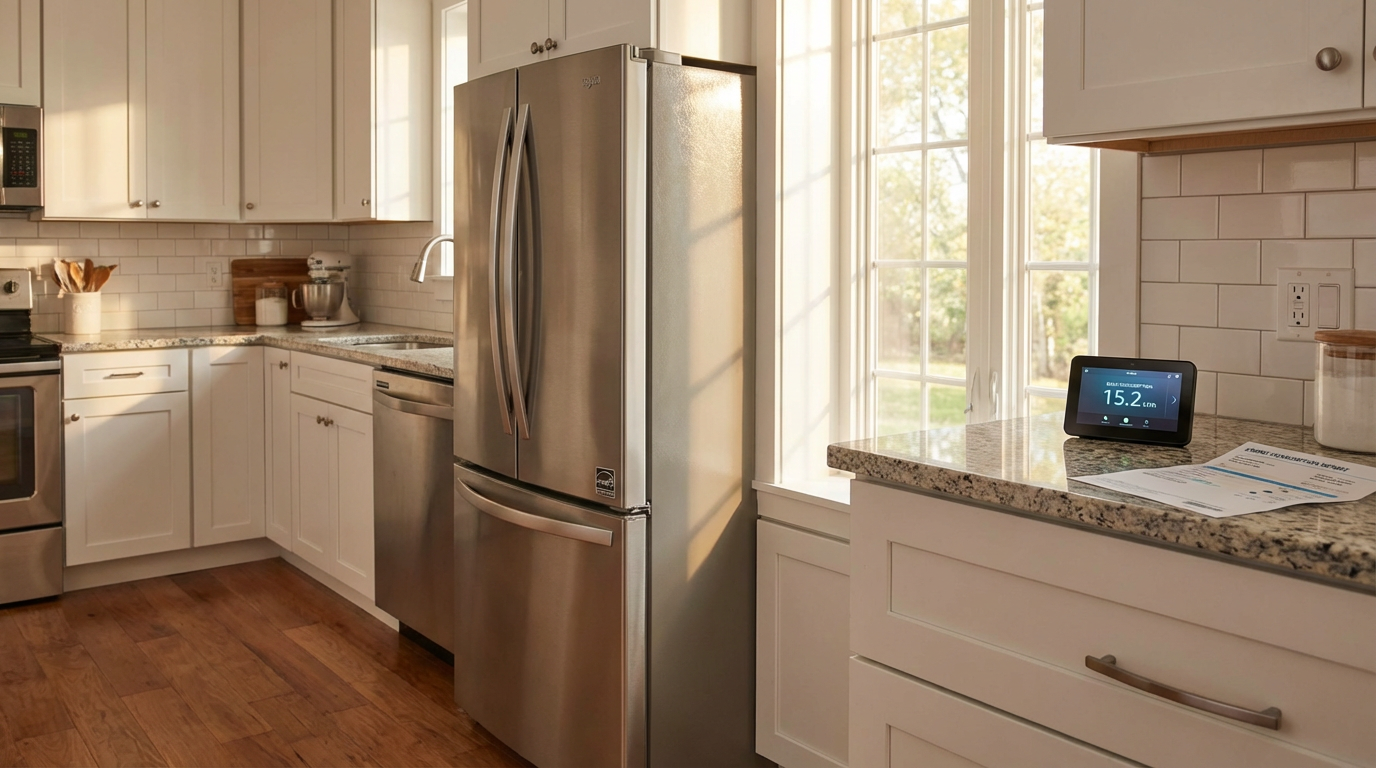
Your refrigerator needs to hold 40°F (4°C) or colder to slow bacterial growth. Keep an appliance thermometer inside and check it regularly:
| Temperature | Safety Status |
|---|---|
| Below 32°F (0°C) | Food starts to freeze — fine for long-term storage. |
| 32°F to 40°F (0°C to 4°C) | The safe zone for refrigerated leftovers. |
| Above 40°F (4°C) | The danger zone — bacteria multiply quickly. |
Not sure where your dial should sit? Read what temperature should my fridge be?.
Where to Put Turkey in the Fridge
Placement matters as much as temperature:
- Upper shelves: Store cooked turkey and other leftovers here, above raw foods, so nothing drips onto them.
- Middle shelves: Milk and eggs — the temperature is most stable here.
- Lower shelves: Raw meat only, so drips can't contaminate ready-to-eat food.
- Fridge door: The warmest spot — avoid storing anything that spoils quickly here.
If a whole bird plus sides is straining your shelf space, our refrigerator capacity comparison can help, and Fridge Factors: How To Decide covers what to look for in your next unit. Working with a compact unit? See our tips for using your dorm smart fridge.
What Affects How Long Cooked Turkey Lasts
Not all leftovers age the same. Four factors decide whether your turkey makes it to day four:
- Fridge temperature: Anything above 40°F shortens the safe window. Colder is safer.
- How it's stored: Airtight containers keep out air and bacteria; loosely covered turkey dries out and spoils faster.
- Starting freshness: A turkey that was fresh before cooking keeps longer afterward than one that was near its date.
- Cooking method: Roasting, frying, and other methods leave different moisture levels in the meat, which affects how it holds up in storage.
How to Tell if Cooked Turkey Has Gone Bad
When in doubt, throw it out. Check all four indicators before eating leftovers:
| Indicator | What to Watch For |
|---|---|
| Smell | Fresh cooked turkey has almost no odor. A sour or funky smell means bacteria are at work — trash it. |
| Color | Cooked turkey should be light brown. Gray, drab, or greenish patches are a spoilage warning. |
| Texture | The meat should feel firm and dry. A slimy or sticky surface means it's spoiled. |
| Mold | Any furry spots mean the whole portion goes in the bin — no trimming around it. |
| Storage date | Past the 3-to-4-day mark? Don't taste-test it — discard it. |
Safe Handling and Preventing Cross-Contamination
Storage only works if the handling before it was clean:
- Wash hands for 20 seconds with soap and warm water before and after handling turkey.
- Use separate cutting boards and utensils for raw and cooked foods — never carve cooked turkey on a board that held raw meat.
- Sanitize counters and any surface the raw bird touched.
- Keep raw meat on the bottom shelf, sealed, so it can't drip onto leftovers.
- Date-label leftovers the moment they go into the fridge so nothing lingers past its 3-to-4-day limit.
Reheating Leftover Turkey
Every reheat must bring the turkey to an internal temperature of 165°F (74°C) — use a food thermometer to confirm. Reheat only the portion you plan to eat; repeated cooling and reheating cycles invite bacterial growth.
| Method | Instructions |
|---|---|
| Oven | Heat to 325°F. Place turkey in an oven-safe dish, cover with foil, and warm for 20–30 minutes. |
| Microwave | Cut turkey into smaller pieces for even heating, cover with a damp paper towel, and heat on medium for 2–3 minutes, checking halfway through. |
| Skillet | Warm a little broth or water in the pan, add turkey slices, cover, and heat on low for 5–10 minutes, turning occasionally. |
Refrigerated turkey dries out, so add gravy, sauce, or broth when reheating, and use gentle, covered heat — high heat turns leftovers into turkey jerky.
Creative Recipes Using Leftover Turkey
Leftover turkey is the gift that keeps on giving. Put those 3 to 4 days to work:
| Recipe | Description |
|---|---|
| Turkey Tacos | Shred the turkey, mix with taco seasoning, and load into tortillas with lettuce, salsa, and your favorite toppings. |
| Turkey Soup | Simmer turkey (and the bones) with vegetables, broth, and noodles for a warming soup. |
| Turkey Salad | Chop turkey and stir with mayo or yogurt, celery, grapes, and nuts. Serve over greens. |
| Turkey Casserole | Layer turkey with pasta, cheese, and vegetables, then bake until hot and bubbly. |
| Turkey Stir-Fry | Toss turkey in a skillet with vegetables and sauce; serve over rice for a fast dinner. |
| Turkey Pizza | Top pizza dough with turkey, cheese, and your favorite toppings, then bake. |
To make leftovers taste fresh: add sauces or broth for juiciness, season with paprika, garlic powder, or black pepper, and pair with fresh vegetables, rice, quinoa, or a salad to round out the meal.
Frequently Asked Questions
How long does cooked turkey last in the fridge?
Cooked turkey lasts 3 to 4 days in the refrigerator at 40°F (4°C) or below, whether it's a whole bird or carved pieces. Turkey stock or gravy only keeps 1 to 2 days.
How long does cooked turkey last in the freezer?
Cooked turkey keeps for 2 to 6 months in the freezer. Seal it in freezer bags or airtight containers, and freeze it before its 3-to-4-day fridge window runs out.
How long does turkey spaghetti last in the fridge?
Turkey spaghetti and other mixed turkey dishes (casseroles, soups, stir-fries) follow the same 3-to-4-day rule as plain cooked turkey, stored airtight at 40°F or below. One caution: a mixed dish only lasts as long as its shortest-lived ingredient, so if the sauce is built on turkey stock or gravy, play it safe and eat it within 1 to 2 days.
Can you eat cooked turkey after 4 days in the fridge?
No — 3 to 4 days is the maximum. If you can't finish it in time, freeze it within that window. Past day four, eating it is a gamble; discard it instead.
How soon after cooking should turkey go in the fridge?
Within two hours of cooking — or within one hour if the room temperature is above 90°F. Cut it into smaller portions and use shallow containers so it cools quickly.
What temperature should leftover turkey be reheated to?
Reheat leftover turkey to an internal temperature of 165°F (74°C), confirmed with a food thermometer, before eating.
How can you tell if cooked turkey has gone bad?
Trust your senses: a sour or off smell, gray or greenish color, a slimy or sticky surface, or any mold means the turkey is spoiled. Toss it — don't taste-test questionable leftovers.