Understanding Food Safety
Importance of Proper Food Storage
Keeping food safe ain't just about avoiding a bellyache—it's about savoring each bite without a side of regret! Storing your groceries correctly locks in those delicious flavors and keeps those pesky bugs at bay. Take fresh chicken, for instance—popping it in the fridge as soon as you get home puts the brakes on bacteria doing the mambo in your meal. Handle with care and enjoy your kitchen magic worry-free!
Guidelines for Refrigerating Fresh Chicken
Got some chicken that needs a chill spot in your fridge? There’re a few need-to-knows that'll keep it delightful, not frightful. Peep these handy tips:
| What to Do | How to Do It |
|---|---|
| Temperature | Keep it frosty at 40°F (4°C) or lower—no exceptions! |
| Storage Time | Cook that bird within 1-2 days of buying it. Need the lowdown on fridge longevity? Peek at our how long is raw chicken good for in the fridge? guide. |
| Packaging | Leave it in its cozy package or use an airtight spot to keep the air off it. |
| Placement | Park it on the bottom shelf so any dribbles don't crash the party elsewhere in the fridge. Curious about fridge organization? Check out our optimal fridge placement tips. |
Use these straightforward rules and your chicken stays palatable and poised for perfection. Safe storage is where yummy beginnings start, after all! The USDA backs this up too—anything raw and chicken-y belongs below 40°F (4°C), so a quick fridge-temperature check is never a wasted move.
Fresh Chicken Storage Time
When it comes to keeping your fresh chicken safe and delicious in the fridge, knowing the right storage time is gold for both taste and health. Hang tight, because this'll give you the scoop on everything chicken-related and how to make sure it's more friend than foe in your fridge.
General Recommendations
Fresh chicken ain't meant to linger too long in the fridge, kinda like crabby party guests. Here's a quick look at how long you should really let it hang out:
| Type of Chicken | Safe Fridge Time |
|---|---|
| Whole Chicken | 1-2 days |
| Chicken Parts (breasts, thighs, you name it) | 1-2 days |
| Ground Chicken | 1-2 days |
| Leftover Cooked Chicken | 3-4 days |
For top-notch freshness and safety, aim to cook up your chicken fiesta within this timeframe. If you're thinking, "No way am I cooking that soon," then it's time for a quick trip to the freezer. Curious about exactly how long your cluck-cluck can chill in the fridge before it’s no good? Swing by our guide on how long is raw chicken good for in the fridge?.
Factors Influencing Storage Time
So what makes your chicken last more than a New Year's resolution? Let’s break it down:
-
Temperature: Crank that fridge to keep it at 40°F (4°C) or cooler. This frosty setting seriously puts the brakes on those sneaky germs.
-
Freshness at Purchase: The fresher at checkout, the better in your fridge. Stick to the sell-by dates like glue for premium quality vibes.
-
Storage Conditions: Keep that chicken snug as a bug in proper packaging. If its seal's busted, don't wait—cook it ASAP.
-
Cross-contamination: No one likes a party crasher, so keep raw chicken miles apart from other grub. Dedicated chopping boards and utensils are your new BFFs here.
Get these down, and you and your chicken will have a beautiful short-lived union. For fridge feng shui tips, check our handy dandy article on optimal fridge placement.
How Packaging Changes Shelf Life
How you wrap that bird can nudge its fridge life. Whatever the wrap, raw chicken is safest cooked or frozen within 1-2 days—but a tighter seal keeps the air, moisture, and funky smells at bay while it waits:
| Packaging Method | Best For | Notes |
|---|---|---|
| Original Store Packaging | Quick use (1-2 days) | The store seal is a little loosey-goosey, so cook it soon |
| Airtight Container | Once the pack is opened | Air doesn't stand a chance—keeps it moist and clean |
| Vacuum-Sealed | Stretching freshness | Puffs the air away for a longer chill; still give it a sniff before cooking |
| Tray Underneath | Catchin' leaks | Prevents sogginess and drips onto other food |
How Long Can Chicken Sit Out of the Fridge?
Here's a question that trips up a lot of home cooks: once chicken leaves the cold, the clock starts ticking fast. Raw or cooked, chicken should not chill on the counter for more than two hours. Room temperature is basically a bacteria block party, and after that two-hour mark you're rolling the dice with your dinner—and your stomach.
A few ground rules for keeping chicken out of the danger zone:
- Two-hour max: Don't let raw or cooked chicken sit out of the fridge for longer than two hours. When in doubt, chuck it out.
- Thaw in the cold, not on the counter: Frozen chicken shouldn't thaw on the countertop where the outside warms up while the middle's still icy. Use the fridge, cold water, or the microwave instead.
- Back in the fridge, pronto: Prepping a meal? Only pull the chicken out when you're ready to work with it, then return leftovers to the cold quickly.
Stick to the two-hour rule and your chicken stays on the safe side of the line, whether it's raw and waiting or cooked and ready for round two.
Determining Freshness
So, you've got that fresh chicken sitting in your fridge and you need to ensure it's not about to become a health hazard. Spoiled chicken is a no-no, and you want to know the tell-tale signs before it gets to that point. Let’s play detective with your senses—your nose and fingers are about to be your best friends in this little game of freshness.
Signs of Spoilage
If your chicken's gone to the dark side, here's how you’ll know:
| Sign | What's Going On |
|---|---|
| Color Gone Weird | Fresh chicken should be like a blushing bride—light pink. But if it looks gray, dull, green, or yellow? Chuck it. |
| Slimy Factor | If your chicken feels slick like a Slip ‘N Slide, it’s past time to say goodbye. |
| Ew Spots | Those funny spots or mold? Yep, that’s the chicken waving a red flag. |
| Sour or Ammonia Smell | A sour or ammonia-like whiff is a dead giveaway—straight to the bin. |
Smell and Texture Check
Your senses won’t lie to you—unless, of course, you’ve got a cold:
- Sniff Test: Fresh chicken should have little to no smell, maybe just a faint 'hello' from the birds. A strong, sour, or ammonia whiff, though? It's saying, "get rid of me."
- Touch Test: A little moisture is okay, but turn off the slip 'n slide. Sticky or slimy is a one-way ticket to the trash can.
- Look Test: A browned or yellowed tinge means it's seen better days—don't risk it.
Need more chicken-safety secrets? Check out our tips on safe handling practices and always put your health at No.1! This way, you not only play it safe but won’t waste that precious bird when you can avoid it. Stay vigilant and waste not, want not in that kitchen of yours!
Storing Fresh Chicken Properly
Keeping fresh chicken in prime condition isn't just about taste; it’s about making sure it stays safe to eat! Here are some handy tips to keep that chicken fresh and your tummy happy.
Packaging and Placement
First things first, leave the chicken in its original packaging if you're planning to cook it soon (within a day or two). Rushing to make some room in the fridge? Once the pack is opened, give it a new home in some plastic wrap, foil, or snug it into an airtight container. Trust me, it’s like giving your chicken a little safety blanket against germs and nasty smells.
Our trusty fridge's coldest spot is usually the bottom shelf, so park your chicken there. And please, don't pop it on the top shelf unless you want a juicy mess! Always place it lower down with a tray underneath just in case of any sneaky leaks.
| Packaging Method | Best For | Notes |
|---|---|---|
| Original Packaging | Quick use (up to 2 days) | Make sure it's sealed nicely |
| Plastic Wrap/Airtight Container | Opened packs and short-term storage | Keeps it fresh and clean |
| Use of a tray | For catchin' leaks | Prevents sogginess in the fridge |
Refrigerator Temperature
What’s more important than money? Refrigerator temp, when it comes to chicken, at least! Keep that fridge at a chill 40°F (4°C) or below—the sweet spot sits between 32°F and 40°F (0°C to 4°C). It keeps nasty bacteria from partying on your chicken.
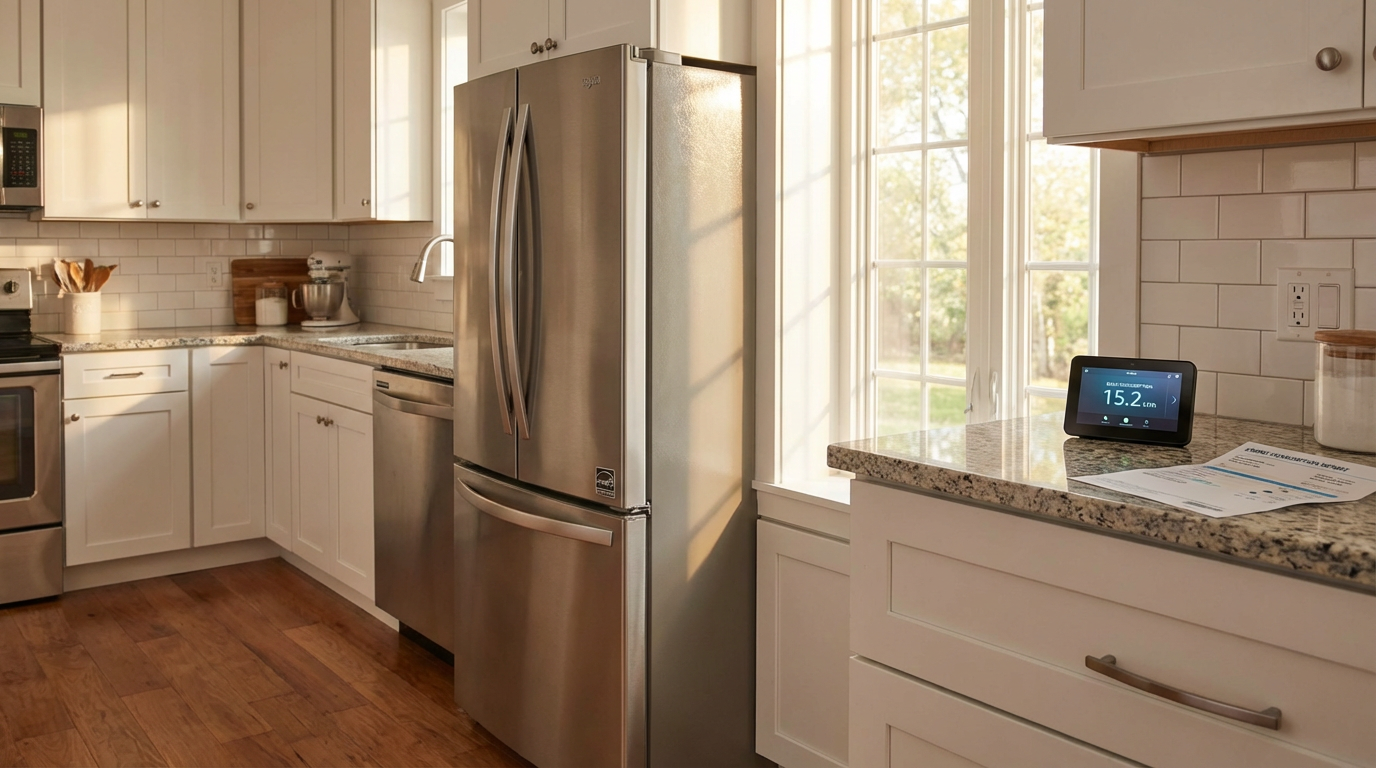
Most fridges have fancy digital displays, but sometimes they lie! Pop a real thermometer in there now and then just to be sure things are cool, literally. And don't pack the fridge to the brim—cramming it can lead to uneven cooling and warm spots.
| Temperature | Action |
|---|---|
| 32°F to 40°F (0°C to 4°C) | Just right for your chicken |
| Above 40°F | Gettin' sketchy, eat that chicken soon! |
Treat your chicken like gold by packaging it up right and storing it at the perfect chill. Want to know more about how long chicken can lounge in your fridge? Check out our article on how long is raw chicken good for in the fridge?.
Organizing Your Fridge for Food Safety
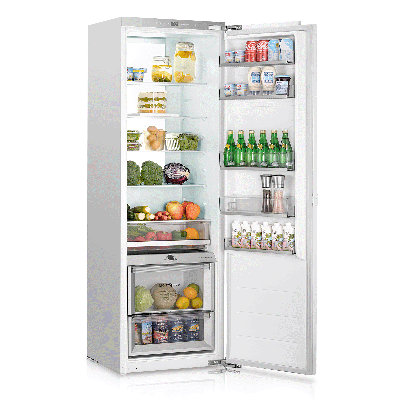
A tidy fridge isn't just easy on the eyes—it's a food-safety win. Here's a shelf-by-shelf game plan that keeps raw chicken away from ready-to-eat food:
- Top Shelves: Drinks and ready-to-eat foods live here—it's the toastiest part of the fridge.
- Middle Shelves: Great spot for dairy like milk and cheese, thanks to the steady temperature.
- Bottom Shelves: The chilliest zone and spot-on for raw meats like chicken. Use separate, sealed containers here to dodge any gross cross-contamination.
- Crisper Drawers: Where fruits and veggies hang out, often with their own humidity settings.
- Fridge Door: The warmest nook—perfect for condiments, not for raw chicken.
Extending Chicken Shelf Life
Saving your chicken from an untimely demise, or at least a quick trip to the bin, involves some simple tricks. Whether you're popping it in the freezer or cooking it up for later, there are savvy ways to keep your poultry fresh.
Freezing Fresh Chicken
The freezer is your chicken's best bud when it comes to hanging around longer. It can stash away those drumsticks for quite a while. Let's make sure you're doing it right:
- Packaging: Pack it up tight in airtight bags or solid containers. Air is not your friend here—get rid of as much as possible! The burrito method works a treat: wrap the chicken snug in plastic wrap or foil, then tuck it into a freezer bag to fend off freezer burn.
- Labeling: Scribble the date on it. Trust me, future you will thank you when peeking into the frosty depths.
- Storage: Tuck it into the coldest nook of your freezer, kept at 0°F (-18°C) or below. Got a system? Great! It'll help you spot that sneaky chicken you forgot was there.
- Marinate first (optional): Feeling fancy? Marinate the chicken before freezing—it saves time later and boosts flavor while it waits.
Hey, just check out this chicken cheat sheet for freezer times:
| Chicken Type | Freezer Time |
|---|---|
| Whole Chicken | 1 year |
| Chicken Breasts | 9 months |
| Chicken Thighs | 9 months |
| Chicken Wings | 6 months |
| Ground Chicken | 3-4 months |
Using Cooked Chicken
Cooked chicken—yum! It's not just for dinner; it's like a versatile player in your meal lineup. Got some leftovers? Here's how to keep them going the distance:
- Cool and Collected: Let it chill out to room temp before shoving it in the fridge or freezer—but don't leave it out longer than two hours.
- Portion Play: Chop it or shred it. Smaller bits are your future meal ticket.
- Store Smart: Cooked chicken keeps in the fridge for 3-4 days. Beyond that, freeze it.
- Meal Ideas: Toss it over a salad, stir it into soups, or mix it with pasta. You're not just a cook; you're a chicken maestro.
Want to dive deeper into the life of cooked chicken? Our article how long will cooked chicken last in the fridge? has got more juicy deets. And if you're itching to flex your cooking skills, our guide on different cooking methods might just be the thing you need.
Reheating Leftover Chicken Safely
Reheating chicken can be a bit of a tightrope walk. Here's how to keep the balance, so things stay safe and scrumptious:
- Check the Heat: Always get that chicken back up to 165°F (74°C) to zap any nasties.
- In the Microwave: Cover it up in there to lock the moisture in while it's nuking.
- Using the Oven: Bigger pieces do well in the oven—set it to 350°F (175°C) and use foil to warm them through slowly.
- No Room for Danger: Don't let chicken sit outside the fridge for over two hours, before or after reheating.
Practical Tips for Handling Chicken
Keeping chicken safe to eat doesn't require a PhD in food science, just some basic good habits. You want those tasty drumsticks and juicy breasts to land on your plate, not your sick list, right?
Safe Handling Practices
-
Wash Your Hands: Scrub-a-dub-dub! Seriously, give your hands a nice wash with soap and water before touching chicken and again after. No one wants those pesky germs to crash dinner.
-
Use Separate Utensils: Play it safe and keep your chicken tools apart from the rest. Cutting boards and knives for raw chicken should never mingle with other food stuff.
-
Skip the Rinse: Don't wash raw chicken under the tap—all that does is splash bacteria around your sink and counters. Cooking it thoroughly is what makes it safe.
-
Thaw Safely: Frozen chicken ain't gonna thaw well on your counter. Let it chill out in the fridge, soak in cold water, or zap it in the microwave instead.
-
Cook Thoroughly: Just winging it isn't enough—get your bird to 165°F (74°C). Stick a thermometer in your chicken and keep things hot!
-
Store Properly: Keep chicken in its package until you're cooking. If you must open it, seal it tight so that juices don't drip everywhere. Need more storage smarts? Check out how long is raw chicken good for in the fridge?.
Meal Planning to Minimize Waste
Good meal planning's like having a chicken compass. You're saving food and dodging waste! Here’s how:
-
Plan Your Meals: Jot down what you're eating this week. Shop smarter and only buy the bird you'll actually use.
-
Batch Cook: Got leftovers? No problem! Cook the extras when you prep. Store ‘em in the fridge and tackle them within 3-4 days.
-
Utilize Freezing: Can't eat chicken fast enough? Give it the deep freeze treatment. Raw chicken parts are good for up to 9 months if wrapped up right. Need freezing tips? Peek at our piece on how long will cooked chicken last in the fridge?.
-
Leftover Ideas: Leftovers don't have to be boring. Toss that extra chicken in a salad, sandwich, quesadilla, soup, or stir-fry—and waste will not be your middle name.
| Action | Timeframe |
|---|---|
| Raw Chicken in Fridge | 1-2 days |
| Cooked Chicken in Fridge | 3-4 days |
| Chicken Left Out of Fridge | 2 hours max |
| Raw Chicken in Freezer | Up to 9 months (parts); 1 year (whole) |
| Leftover Chicken | Munch within 3-4 days |
Use these easy practices and make meal plans your new wingman. You'll enjoy chicken dinners safely and trust me, waste won’t stand a chance. Got kitchen quibbles or needing fridge tips? View optimal fridge placement!
Frequently Asked Questions
How long can fresh chicken stay in the fridge?
Fresh, raw chicken—whole, parts, or ground—is good in the fridge for 1 to 2 days when kept at 40°F (4°C) or below. After that, cook it or move it to the freezer. Cooked chicken lasts a bit longer at 3-4 days.
How long can chicken sit out of the refrigerator?
No more than two hours. Raw or cooked, chicken left at room temperature past the two-hour mark lands in the bacteria danger zone and should be tossed. When in doubt, chuck it out.
How long can chicken breast stay in the fridge?
Raw chicken breast, like other chicken parts, keeps for 1 to 2 days in the fridge at 40°F (4°C) or below. For longer storage, freeze it—chicken breasts hold up for about 9 months in the freezer.
How long is raw chicken good in the fridge?
Raw chicken is good for 1 to 2 days refrigerated. A tighter seal—an airtight container or vacuum-sealed bag—helps it stay fresh, but the safe window for raw chicken is still 1-2 days. Always give it a sniff and a look before cooking.
What temperature should the fridge be for storing chicken?
Keep the fridge at 40°F (4°C) or below, with the sweet spot sitting between 32°F and 40°F (0°C to 4°C). Freezers should stay at 0°F (-18°C) or below. Use a fridge thermometer to double-check, since digital displays can fib.
How can I tell if chicken has gone bad?
Trust your senses. Spoiled chicken turns gray, dull, green, or yellow instead of bright pink; feels slimy or sticky; and gives off a sour or ammonia-like smell. Any of these, and it's time to say goodbye.
What is the safe way to store fresh chicken?
Leave chicken in its original packaging if you'll cook it within a day or two; otherwise wrap it in plastic, foil, or an airtight container. Store it on the bottom shelf—the coldest spot—with a tray underneath to catch drips and keep raw juices away from other food.
How long can you freeze fresh chicken?
Frozen at 0°F (-18°C) or below, whole chicken keeps for up to 1 year, chicken breasts and thighs for about 9 months, wings for 6 months, and ground chicken for 3-4 months. Wrap it tight and label it with the date.
Do thawing and reheating matter for safety?
Absolutely. Thaw frozen chicken in the fridge, in cold water, or in the microwave—never on the counter. When reheating cooked chicken, bring it back up to 165°F (74°C); cover it in the microwave to keep it moist, or warm bigger pieces in a 350°F (175°C) oven under foil.
What internal temperature should cooked chicken reach?
Cook chicken to an internal temperature of 165°F (74°C), whether you're roasting, grilling, baking, or reheating. A food thermometer is the only sure way to know it's done and safe.