Frozen meat can stay in the fridge for 1 to 5 days once it has thawed, depending on the cut: chicken, fish, and ground meat keep only 1 to 2 days, while beef and pork roasts hold 3 to 5 days at 40°F (4°C) or below. Kept frozen at 0°F (-18°C) instead, meat stays safe indefinitely, though quality falls off after 4 to 12 months. This guide covers exactly how long frozen meat lasts in both the fridge and the freezer, how to thaw and refreeze it safely, how to cook it straight from frozen, and how to spot meat that has gone bad.
Understanding Frozen Meat Storage
Factors Affecting Meat Shelf Life
Several factors influence the shelf life of frozen meat once it is moved to the fridge. These factors include:
- Temperature: The temperature of your refrigerator plays a significant role in meat preservation. The ideal fridge temperature is below 40°F (4°C).
- Meat Type: Different meats have varying shelf lives when stored in the fridge. For example, poultry may spoil faster than beef.
- Packaging: Proper packaging can extend the shelf life of meat. Airtight containers or vacuum-sealed bags are best for preventing exposure to air and bacteria.
- Initial Quality: The quality of the meat before freezing also impacts how long it can be stored in the fridge.
| Factor | Impact on Shelf Life |
|---|---|
| Temperature | Ideal: Below 40°F (4°C) |
| Meat Type | Varies (e.g., poultry Vs. beef) |
| Packaging | Airtight or vacuum-sealed |
| Initial Quality | Higher quality lasts longer |
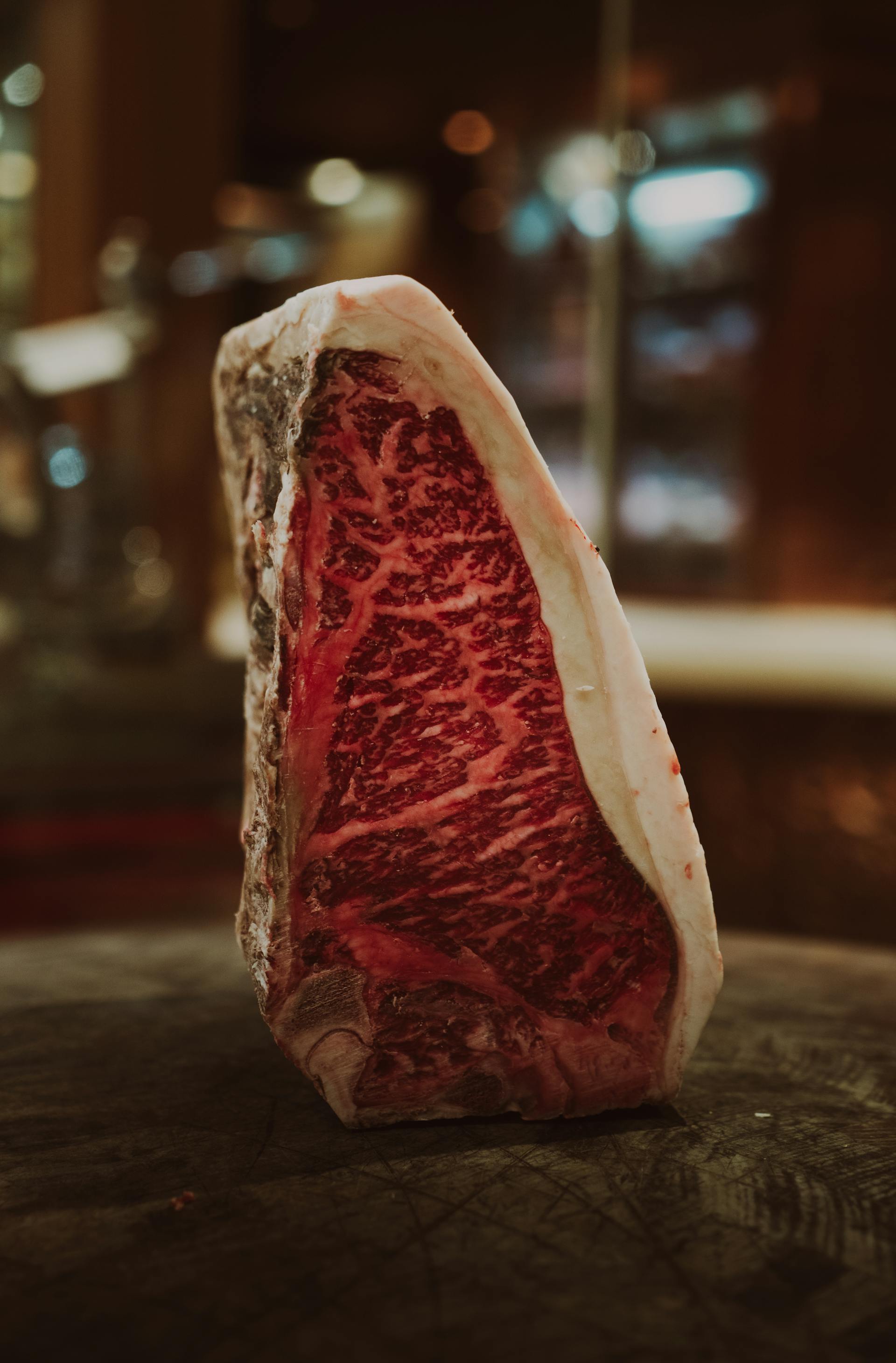
When choosing meat to freeze in the first place, pick the freshest cuts: a lively natural color, a firm (never slimy or sticky) texture, and no off smell. Fresh meat frozen at its peak lasts longer and tastes better than older or bargain-bin cuts. Understanding these factors can help you better manage your frozen meat storage and ensure that your meat remains safe and delicious. For more insights on storing different types of food, explore our articles on how long can ground beef thaw in the fridge and how long can frozen salmon be in the fridge.
Guidelines for Storing Frozen Meat
How Long Can Frozen Meat Stay in the Fridge?
Once you transfer frozen meat to the fridge, it starts to thaw. The time thawed meat can safely stay in the fridge varies by type. As a rule, use thawed meat within a few days to prevent spoilage. These are the general guidelines:
| Meat Type | Safe Fridge Storage Time (Days) |
|---|---|
| Chicken | 1-2 |
| Beef | 3-5 |
| Pork | 3-5 |
| Fish | 1-2 |
| Ground Meat | 1-2 |
So thawed beef lasts 3 to 5 days in the fridge, while thawed poultry, fish, and ground meat should be cooked within 1 to 2 days. For more specific information on particular meats, you might want to read how long can frozen salmon be in the fridge or how long can ground beef thaw in the fridge.
Recommended Storage Times for Different Meats
Different types of meat have varying storage times when kept in the fridge. Here are the recommended storage times for common types of meat:
| Meat Type | Recommended Storage Time (Days) |
|---|---|
| Chicken | 1-2 |
| Beef | 3-5 |
| Pork | 3-5 |
| Fish | 1-2 |
| Ground Meat | 1-2 |
For more details on specific meats, you can visit our articles like how long can ground turkey be in the fridge or how long can fresh steak stay in the fridge.
How Long Can You Leave Frozen Meat Out?
Room temperature is the one place you should never thaw or leave meat. Bacteria multiply rapidly at room temperature, which increases the risk of foodborne illness, so skip the counter and use one of the three safe thawing methods instead — the refrigerator, cold water, or the microwave (all covered below). Meat that has thawed at room temperature should not be returned to the freezer; cook it right away instead.
Signs of Spoiled Meat
Knowing the signs of spoiled meat is crucial to avoid foodborne illnesses. Here are some common indicators that meat has gone bad:
- Color Changes: Fresh meat has a natural color that fades as it spoils. For example, beef may turn from red to brown.
- Off Odor: Spoiled meat often emits a sour or unpleasant smell.
- Texture Changes: Fresh meat is firm to the touch, while spoiled meat may feel slimy or sticky.
- Mold Growth: Visible mold is a clear indicator that meat has spoiled.
If you notice any of these signs, it's best to discard the meat to prevent any health risks. For more tips on food storage, check out our articles on how long can goat cheese last in the fridge or how long can fruit salad last in the fridge.
How Long Does Frozen Meat Last in the Freezer?
At 0°F (-18°C), frozen meat stays safe to eat indefinitely — freezing halts bacterial growth. What changes over time is quality: after the windows below, meat is still safe but starts to lose flavor and texture and is more prone to freezer burn. Use these freezer lifespans as best-quality guidelines.
Beef and Pork
| Meat Type | Freezer Lifespan |
|---|---|
| Ground Beef | 4 months |
| Steaks | 6 to 12 months |
| Roasts | 4 to 12 months |
| Pork Chops | 4 to 6 months |
| Pork Roast | 4 to 6 months |
Poultry
| Poultry Type | Freezer Stay |
|---|---|
| Whole Chicken | 1 year |
| Chicken Pieces | 9 months |
| Ground Chicken | 3 to 4 months |
| Turkey (Whole) | 1 year |
| Turkey (Pieces) | 6 months |
Fish and Seafood
| Fish/Seafood Type | Freezer Duration |
|---|---|
| Lean Fish (e.g., Cod, Haddock) | 6 months |
| Fatty Fish (e.g., Salmon, Tuna) | 2 to 3 months |
| Shellfish (e.g., Shrimp, Crab) | 6 to 12 months |
| Smoked Fish | 2 to 3 months |
Keep your freezer at 0°F (-18°C) or colder, and check it with a freezer thermometer rather than guessing — below 0°F is still safe but risks freezer burn if the packaging is not airtight. For more on storing fish, see our guide on keeping fresh fish in the fridge, and for seafood prep ideas visit our seafood freezer meals.
Safe Thawing Practices
Properly thawing frozen meat is essential to maintaining its quality and safety. Following safe thawing practices helps prevent bacterial growth and ensures your meat is cooked evenly.
Thawing Frozen Meat Safely
Thawing frozen meat safely involves keeping it at a consistent, safe temperature to avoid bacterial growth. The safest way to thaw meat is in the refrigerator, where it remains at a controlled temperature.
Here are the three key methods for thawing frozen meat safely:
- Refrigerator Thawing: Place the frozen meat on a plate or in a container to catch any drips and place it in the fridge. This method is the safest but takes the longest time.
- Cold Water Thawing: Submerge the sealed meat in cold water, changing the water every 30 minutes. This method is faster but requires more attention.
- Microwave Thawing: Use the defrost setting on your microwave, but be prepared to cook the meat immediately after thawing as some parts may begin to cook during the process.
Best Practices for Thawing Meat in the Fridge
When thawing meat in the fridge, follow these best practices to ensure safety and quality:
- Plan Ahead: Thawing meat in the fridge can take several hours to days, depending on the size and type of meat. Plan your meals accordingly.
- Keep it Wrapped: Ensure the meat is in a leak-proof container or sealed bag to prevent cross-contamination with other foods.
- Temperature Control: Make sure your refrigerator is set to 40°F (4°C) or below to keep the meat at a safe temperature. Need help dialing it in? See our fridge setting guide.
- Location Matters: Place the meat on the bottom shelf to avoid any drips contaminating other foods.
The following table provides an estimate of thawing times for different cuts in the fridge:
| Meat Type | Approximate Thawing Time |
|---|---|
| Ground Meat | 12 - 24 hours |
| Chicken (whole) | 1 - 2 days |
| Chicken (pieces) | 24 hours |
| Beef (small cuts) | 24 hours |
| Beef (large cuts) | 1 - 3 days |
As a rough per-pound rule, allow about 24 hours of fridge thawing for every pound of beef or pork, and 1 to 2 days for poultry. Remember that meat thawed in the fridge can safely stay there for another day or two before cooking, and can even be refrozen if it stayed below 40°F.
Cold Water Thawing
Need meat defrosted fast? Submerge the tightly wrapped meat in cold water and change the water every 30 minutes so it stays cold. Cold water thaws much faster than the fridge, but the meat must be cooked immediately after thawing and cannot be refrozen without cooking first.
| Meat Type | Cold Water Thawing Time (per pound) |
|---|---|
| Beef | 1 - 2 hours |
| Pork | 1 - 2 hours |
| Poultry | 1 - 2 hours |
| Fish | 1 hour |
By adhering to these safe thawing practices, you can ensure that your meat remains safe to eat and retains its best quality. For additional details on how long different types of meat can stay in the fridge after thawing, visit our articles on how long can frozen beef stay in the fridge, how long can frozen pork stay in the fridge, and how long can frozen shrimp be in the fridge.
Cooking Frozen Meat
You can cook meat straight from frozen without thawing — it just takes roughly 50% longer than thawed meat. Quick-contact methods like grilling, pan-searing, or an Instant Pot work best, and a meat thermometer is essential because the outside can look done while the center is still cold. Cook every cut to its safe minimum internal temperature:
| Meat Type | Cooking Time (from Frozen) | Safe Internal Temperature |
|---|---|---|
| Chicken Breasts | 30-40 minutes | 165°F (75°C) |
| Ground Beef | 45-60 minutes | 160°F (71°C) |
| Pork Chops | 30-40 minutes | 145°F (63°C) |
| Fish Fillets | 15-20 minutes | 145°F (63°C) |
When time allows, thawing first gives a more even cook, but cooking from frozen is a safe shortcut on busy nights.
Freezing and Refreezing Meat
Can You Refreeze Thawed Meat?
Refreezing thawed meat is a common concern among many people. The answer depends on how the meat was thawed and how long it has been out of the freezer. If you thawed the meat in the fridge and it has been kept below 40°F, it is generally safe to refreeze. However, refreezing meat can affect its texture and quality.
If the meat was thawed at room temperature or in the microwave, it's best not to refreeze it. This is because bacteria can multiply rapidly at these temperatures, increasing the risk of foodborne illnesses.
| Thawing Method | Safe to Refreeze? | Notes |
|---|---|---|
| Refrigerator | Yes | Must be kept below 40°F |
| Room Temperature | No | Risk of bacterial growth |
| Microwave | No | Risk of bacterial growth |
Tips for Freezing Meat Properly
Properly freezing meat can help extend its shelf life and maintain its quality. Here are some tips to ensure your meat stays fresh in the freezer:
- Use Airtight Packaging: Wrap the meat tightly in plastic wrap, aluminum foil, or freezer paper, then place it in a resealable freezer bag and press out as much air as possible to prevent freezer burn.
- Label and Date: Always label the packages with the type of meat and the date it was frozen. This helps you keep track of how long it has been in the freezer.
- Freeze Quickly: Freeze meat as soon as possible to preserve its freshness. The faster it freezes, the better the quality when thawed.
- Portion Before Freezing: Cut larger pieces into meal-sized portions before freezing so you can thaw only what you need and waste less.
- Keep Freezer Temperature Consistent: Ensure your freezer is set to 0°F or lower to keep the meat properly frozen.
| Tip | Description |
|---|---|
| Use Airtight Packaging | Prevents freezer burn |
| Label and Date | Helps track storage time |
| Freeze Quickly | Preserves freshness |
| Portion Before Freezing | Thaw only what you need |
| Keep Freezer Temperature Consistent | Maintains proper freezing |
To cut waste even further, rotate your stock first-in, first-out — older packages toward the front — and build them into a weekly meal plan. For inspiration, see our mom-approved freezer meal suggestions and popular kids freezer meals for din din.
Extending Meat Shelf Life
Proper storage techniques can significantly extend the shelf life of meat. Two effective methods include vacuum sealing and other preservation techniques.
Using Vacuum Sealing for Extended Storage
Vacuum sealing is an excellent way to extend the shelf life of frozen meat. This method involves removing the air from the packaging, which helps to prevent freezer burn and slows down the oxidation process. By creating an airtight environment, vacuum-sealed meat can remain fresh for a longer period.
| Meat Type | Regular Freezer Storage | Vacuum-Sealed Storage |
|---|---|---|
| Beef | 6-12 months | 2-3 years |
| Pork | 4-6 months | 1-2 years |
| Chicken | 6-9 months | 2-3 years |
| Fish | 3-6 months | 1-2 years |
Vacuum sealing is particularly useful for bulk purchases, allowing you to store meat in smaller portions and thaw only what you need.
Other Preservation Methods for Frozen Meat
There are additional methods to extend the shelf life of frozen meat, aside from vacuum sealing. These methods include:
- Freezer Paper: Wrapping meat in freezer paper can help protect it from freezer burn. Make sure to use a double layer for added protection.
- Airtight Containers: Using airtight containers can help to keep meat fresh by preventing air exposure.
- Freezer Bags: Heavy-duty freezer bags can be used to store meat. Ensure you remove as much air as possible before sealing.
By employing these storage techniques, you can significantly extend the shelf life of your meat, reducing waste and ensuring you always have fresh meat available for your meals. For additional tips on storing various foods, see our article on how long can ground beef stay in the fridge?.
Frozen Meat Storage FAQ
How long can frozen meat stay in the fridge?
After it thaws, use it within 1 to 2 days for chicken, fish, and ground meat, and within 3 to 5 days for beef and pork, keeping the fridge at 40°F (4°C) or below the whole time.
How long does thawed beef last in the fridge?
Thawed beef keeps 3 to 5 days in the fridge at 40°F (4°C) or below. Ground beef is the exception — cook it within 1 to 2 days.
How long can you leave frozen meat out?
Don't thaw meat on the counter at all — bacteria multiply rapidly at room temperature and increase the risk of foodborne illness. Thaw in the fridge, cold water, or the microwave instead, and cook it right after thawing. Meat that has warmed to room temperature should not be refrozen.
How long can thawed meat sit in the fridge before cooking?
Meat thawed in the fridge can sit there another 1 to 2 days (poultry, fish, ground meat) or 3 to 5 days (beef, pork) before you cook it. Meat thawed in cold water or the microwave must be cooked right away.
Can you refreeze thawed meat?
Yes, if it was thawed in the fridge and stayed below 40°F — though texture and quality may suffer. Meat thawed at room temperature or in the microwave should not be refrozen unless you cook it first.
If you freeze meat, how long is it good for?
At 0°F (-18°C) frozen meat stays safe indefinitely, but for best quality use ground meat within 3 to 4 months, pork within 4 to 6 months, steaks and roasts within 6 to 12 months, and whole poultry within 1 year. Vacuum sealing can stretch these windows to 1 to 3 years.
Can you cook meat straight from frozen?
Yes. Cooking from frozen takes about 50% longer than thawed meat. Use a thermometer and cook to the safe internal temperature: 165°F for chicken, 160°F for ground beef, and 145°F for pork chops and fish.
Get Your Upgrade or New Addition at Fridge.com
Whether you're searching for your perfect fridge, freezer, wine fridge, beer fridge, ice maker, or kegerator, we have what you need.
Shop the world's best brands at Fridge.com.
We also have tons of awesome articles about kitchen stuff and home news. Enhance your home, garage, backyard, patio, and office with the coolest essentials. With every necessary type of residential refrigerator or freezer in our collection, we've got you covered.
Elevate your game and shop now at Fridge.com!