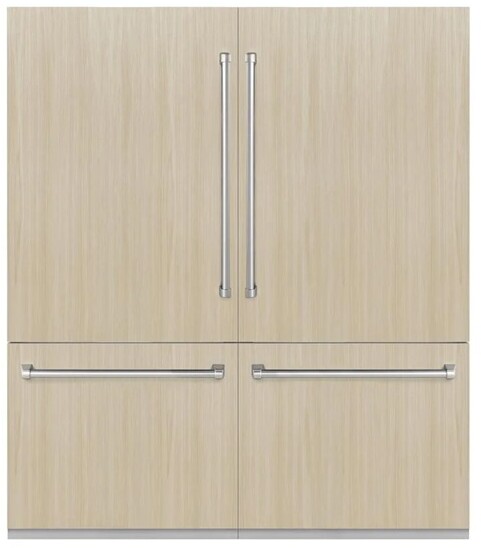
Jabuticaba last 3-4 days in the fridge when the berries are whole and unblemished, stored at 1°C to 4°C (34°F to 39°F) in a perforated bag or lidded container. Bruised fruit keeps only 1-2 days, and berries that ripened at room temperature keep 2-3 days once chilled. For longer storage, frozen jabuticaba keep for up to 6 months, and jabuticaba made into jam or preserves keeps up to a year sealed — about a month in the fridge after opening.
What Is Jabuticaba?
Jabuticaba (also spelled jaboticaba) is a Brazilian fruit that looks like a large, deep-purple grape and tastes sweet and tart. Unusually, the fruit grows directly on the trunk and main branches of the tree rather than on outer stems. The thick purple skin is edible, though some people prefer to peel it, and the fruit's naturally high pectin content makes it a favorite for jams and jellies.
How Long Can Fresh Jabuticaba Last in the Fridge?
Proper storage can significantly extend the shelf life of jabuticaba. When kept in the refrigerator, fresh jabuticaba can last for:
| State | Duration in Fridge |
|---|---|
| Whole, unblemished fruit | 3-4 days |
| Slightly bruised fruit | 1-2 days |
| After ripening at room temperature | 2-3 days |
For the best experience, consume your jabuticaba shortly after purchase. If you've bought them in bulk or can't consume them all at once, consider additional storage methods to preserve their freshness. You might want to explore options like freezing jabuticaba or turning them into preserves. If you're curious about other items in your fridge and how long they last, check out our articles on how long do figs last in the fridge? or how long does milk last in the fridge? for more insights.
How to Store Jabuticaba in the Fridge (Como Conservar Jabuticaba)
The ideal temperature for storing jabuticaba in the refrigerator is between 1°C to 4°C (34°F to 39°F). At this temperature range, the fruit's ripening process slows down, which helps preserve its texture and taste. Place the jabuticaba in the fridge soon after purchase to maximize its longevity.
| Storage Location | Temperature Range |
|---|---|
| Refrigerator | 1°C - 4°C (34°F - 39°F) |
To further protect the jabuticaba from moisture loss and other refrigerated goods, place them in a perforated plastic bag or a container with a lid. This helps maintain humidity while allowing for slight air circulation. Jabuticaba keeps best with three conditions in balance: cool temperature to slow ripening, high humidity to prevent shriveling, and gentle airflow so gases released by the fruit don't build up and speed spoilage.
Prep the fruit before it goes in the fridge:
- Pick the best: refrigerate only firm, spotless berries; use bruised ones first.
- Rinse: wash the fruit under cool running water to remove dirt.
- Dry: pat the jabuticaba fully dry with a clean towel — lingering moisture encourages mold.
- Don't overcrowd: leave some space in the container so air can circulate around the berries.
For more insights on how long other perishables last in the fridge, you might find our articles on how long does cassava last in the fridge? or how long do pears last in the fridge? useful.
Signs of Fresh Jabuticaba
Jabuticaba, when fresh, exhibits a deep purple color with a lustrous sheen on its skin. The fruit should feel plump to the touch with a slight give, indicating juiciness without being overly soft or mushy. When examining the fruit, you should not find any wrinkles or blemishes on the skin, as these can be signs of age or poor handling. The stem should be intact and the fruit should have a fragrant, subtly sweet aroma.
How to Tell if Jabuticaba Has Gone Bad
Jabuticaba show clear signs when they start to turn:
- Appearance: Fresh jabuticaba have a vibrant color and a natural shine. Dull, dark, or discolored skin and dark spots are signs of over-ripening.
- Texture: The fruit should be firm to the touch. Soft, mushy, or shriveled berries are past their prime.
- Smell: Fresh fruit has a subtly sweet fragrance. A sour or fermented smell means the fruit should not be consumed.
- Mold: Any visible mold means the fruit is a goner.
Here is a simple table to help you identify when jabuticaba should be discarded:
| Sign of Spoilage | Action to Take |
|---|---|
| Mold growth | Discard immediately |
| Unpleasant, sour, or fermented odor | Discard immediately |
| Overly soft texture | Discard immediately |
| Visible decay or discolored skin | Discard immediately |
Trust your senses: if something seems off, it's better to be safe and discard the fruit.
Freezing Jabuticaba (Jabuticaba Congelada)
Freezing is a practical approach to extend the lifespan of Jabuticaba significantly. To freeze Jabuticaba properly, follow these steps:
- Wash the fruit thoroughly to remove any dirt or impurities.
- Pat the Jabuticaba dry with a clean towel.
- Spread the fruit out in a single layer on a baking sheet, preventing them from touching and sticking together.
- Place the baking sheet in the freezer until the Jabuticaba are fully frozen.
- Transfer the frozen fruit into airtight bags or containers to prevent freezer burn.
When stored in the freezer, Jabuticaba can last for several months while retaining much of their original taste and nutritional value. Here’s a simple table indicating the expected storage times for frozen Jabuticaba:
| Storage Method | Expected Shelf Life |
|---|---|
| Fridge | 3-4 days |
| Freezer | Up to 6 months |
Remember to label the containers with the date of freezing. This will help you keep track of how long the Jabuticaba has been stored. For additional guidance on freezing other types of food, you might find our article on how long do pinto beans last in the fridge? useful.
Jabuticaba Jam, Jelly, and Syrup
Preserving Jabuticaba through techniques such as canning or making preserves, jellies, or syrups is another method to extend their shelf life while creating delightful treats. The high sugar content in preserves acts as a natural preservative, and jabuticaba's naturally high pectin helps jams and jellies set without much added pectin.
To make a basic jabuticaba jelly or syrup:
- Create a syrup by boiling the fruit with sugar and water.
- Mash the softened Jabuticaba to release their flavor.
- Strain the mixture to remove the skins and seeds if desired.
- Pour the hot syrup into sterilized jars, ensuring you leave the appropriate headspace.
- Seal the jars according to standard canning procedures.
For jam, cook the mashed fruit down with sugar (and pectin if you want a firmer set) before jarring. How long each preparation keeps:
| Preparation | Shelf Life |
|---|---|
| Jam or preserves, sealed jar | Up to 1 year in a cool, dark place |
| Jam or preserves, after opening | Refrigerate; use within 1 month |
| Syrup, refrigerated | Up to 6 months |
Both freezing and preserving Jabuticaba allow you to enjoy the fruit long after the season has passed. These methods also provide creative opportunities to incorporate Jabuticaba into various dishes or to simply savor the fruit in its preserved state.
Ways to Refresh Jabuticaba
If your jabuticaba is starting to lose its luster but isn't spoiled, you might be able to refresh it with these tips:
- Chill: Sometimes, all the fruit needs is to be chilled. If it has been left out, simply placing it back in the fridge for a bit can help firm it up.
- Soak: A brief soak in cold water can revive jabuticaba that's starting to wrinkle by rehydrating the skin.
- Use in Cooking: Jabuticaba that may not be as fresh can still be used in cooking. Making jams, jellies, or syrup can be a great way to utilize the fruit before it goes bad.
These refreshing methods won't reverse spoilage, so it's important to assess the fruit's condition before trying to save it.
Ways to Use Jabuticaba
Recipes and Ideas for Using Jabuticaba
Jabuticaba's sweet and tart flavor profile makes it an excellent candidate for a variety of recipes. Here are some ideas to get you started:
- Jabuticaba Jam: A classic way to preserve the fruit's unique taste.
- Jabuticaba Juice: Fresh and hydrating, perfect for a hot day or as a base for cocktails and smoothies.
- Jabuticaba Sorbet: A refreshing treat that enhances the natural flavors of the fruit.
- Jabuticaba Sauce or Chutney: Cook the fruit with spices for a sauce that pairs well with meats and cheeses, or drizzle over desserts.
- Salad Dressing: Whisk jabuticaba juice with olive oil, vinegar, and herbs for a unique dressing.
- Baked Desserts: The fruit's tartness works well in pies, tarts, and cakes.
- Fermented Beverages: In Brazil, jabuticaba is also fermented into wines and liqueurs.
Creative Ways to Enjoy Jabuticaba
Beyond traditional recipes, jabuticaba can be enjoyed in many creative ways:
- Fresh and Whole: Wash the berries and eat them out of hand — the skin is edible, though some people prefer to squeeze the pulp out and skip it.
- Fruit Salads: Toss whole or halved berries into fruit salads for a burst of flavor and color.
- Infused Water: Add a handful of jabuticaba to your water for a subtle flavor twist.
- Yogurt Topping: Sprinkle fresh or stewed jabuticaba over yogurt for a healthy snack.
- Cheese Pairing: Pair the fruit with cheese for an elegant appetizer.
- Cereal Mix-In: Toss them into your morning cereal or oatmeal for added sweetness.
- Chocolate Covered Jabuticaba: Dip them in dark chocolate for a decadent treat.
If you’re curious about the longevity of other foods in your fridge, such as how long does chinese food last in the fridge? or how long do mandarins last in the fridge?, our articles provide valuable insights.
Proper Handling of Jabuticaba
Before storing jabuticaba in the fridge, handle them correctly to prevent premature spoilage or contamination:
- Wash your hands with soap and water before and after handling the fruit.
- Rinse the jabuticaba under cool, running water.
- Pat them dry with a clean cloth or paper towel.
- Place the jabuticaba in a clean, airtight container.
- Store the container in the fridge at 1°C - 4°C (34°F - 39°F).
By following these handling guidelines, you can help preserve the quality of jabuticaba and enjoy them safely.
Frequently Asked Questions About Jabuticaba
How long do jabuticaba last in the fridge?
Whole, unblemished jabuticaba last 3-4 days in the refrigerator at 1°C - 4°C (34°F - 39°F). Bruised fruit keeps 1-2 days, and fruit that ripened at room temperature keeps 2-3 days once refrigerated.
What is jabuticaba?
Jabuticaba (jaboticaba) is a Brazilian fruit resembling a large purple grape, with a sweet-tart flavor. It grows directly on the trunk of the jabuticaba tree, and both its pulp and skin are edible.
Can you freeze jabuticaba?
Yes. Wash and dry the berries, freeze them in a single layer on a baking sheet, then transfer to airtight bags or containers. Frozen jabuticaba keep for up to 6 months.
How long does jabuticaba jam last after opening?
Once opened, keep jabuticaba jam or preserves refrigerated and use within a month for optimal freshness. Sealed jars last up to a year in a cool, dark place, and refrigerated jabuticaba syrup keeps up to 6 months.
Can you eat jabuticaba skin?
Yes, the thick purple skin is edible and holds much of the fruit's tart flavor and pectin. Some people prefer to squeeze out the pulp and discard the skin, which is also fine.
How do you know if jabuticaba has gone bad?
Discard jabuticaba that show mold, a sour or fermented smell, an overly soft or shriveled texture, or dull, dark, discolored skin.
Get Your Upgrade or New Addition at Fridge.com
Shop the world's best brands at Fridge.com.
Whether you're searching for your perfect fridge, freezer, wine fridge, beer fridge, ice maker, or kegerator, we have what you need.
We also have tons of awesome articles about kitchen stuff and home news. Enhance your home, garage, backyard, patio, and office with the coolest essentials. With every necessary type of residential refrigerator or freezer in our collection, we've got you covered.
Elevate your game and shop now at Fridge.com!