How Long Does Celery Last In The Refrigerator?
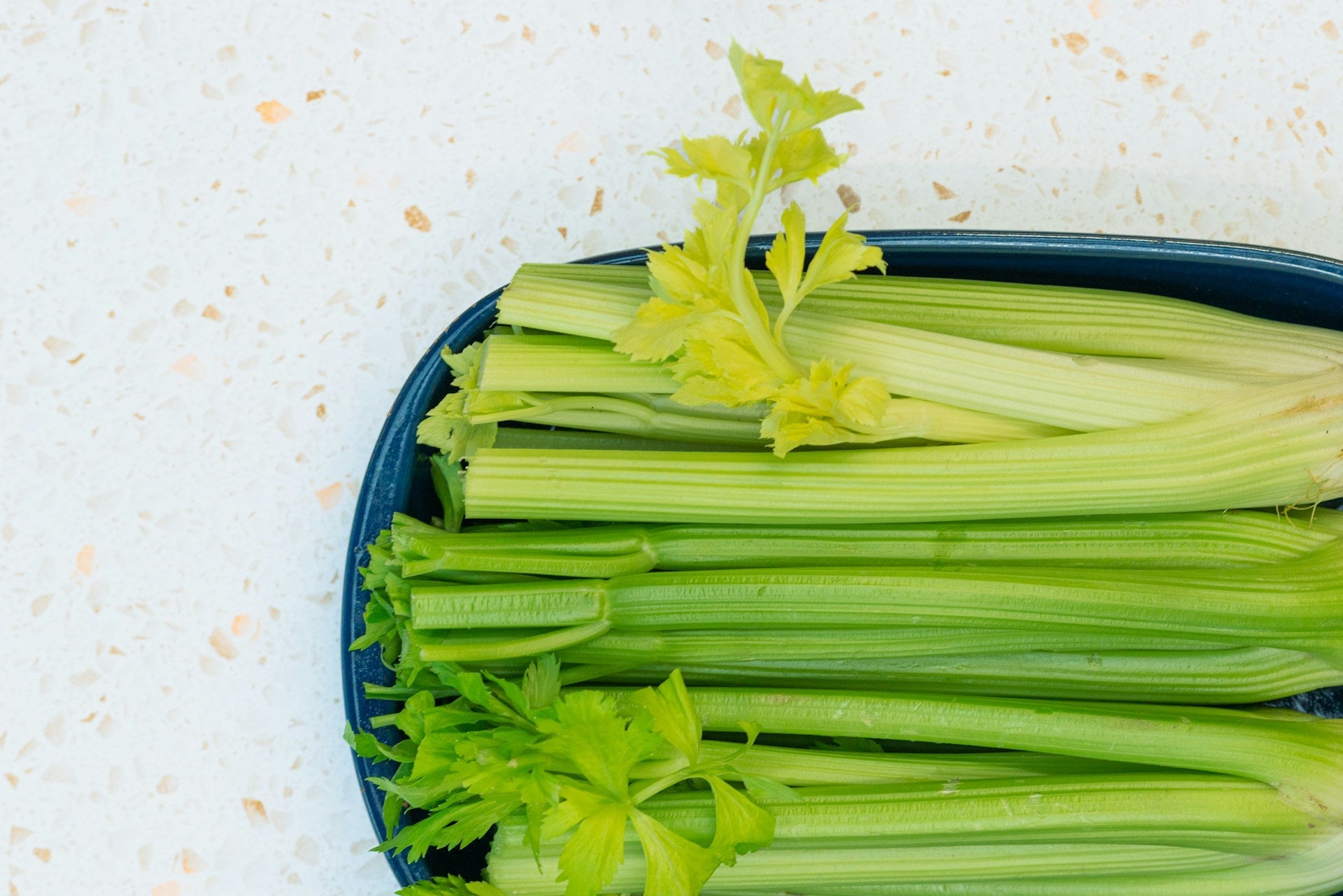
Celery lasts 1 to 2 weeks in the refrigerator when stored as a whole, unwashed bunch, and about 3 to 5 days once it is cut or chopped. Kept in the cold, humid crisper drawer, celery holds its crisp snap along with the vitamin K, vitamin A, and potassium it is prized for. Cut stalks submerged in water stay crisp for 5 to 7 days, cooked celery keeps roughly 1 week, and frozen celery lasts 12 to 18 months. The figures below reflect the more conservative end of each range so your celery stays both crisp and safe to eat.
| Type of Celery | How Long It Lasts |
|---|---|
| Whole celery (refrigerated) | 1-2 weeks |
| Cut or chopped celery (refrigerated) | 3-5 days |
| Cut celery submerged in water | 5-7 days |
| Cooked celery (refrigerated) | Up to 1 week |
| Frozen celery (whole or cut) | 12-18 months |
Ideal Conditions for Keeping Celery Fresh
Creating the right environment in your refrigerator comes down to managing temperature, humidity, and air circulation. Celery thrives in cold, high-humidity conditions, which keep it hydrated and crisp. Store it in the crisper drawer, which is designed to hold a more humid microclimate than the rest of the fridge.
| Factor | Ideal Condition |
|---|---|
| Temperature | 32°F to 40°F (0°C to 4.4°C) |
| Humidity | High (95% to 100%) |
| Air Circulation | Moderate |
Factors Affecting Celery Shelf Life
Several factors influence how long celery lasts in the refrigerator:
- Initial Freshness: The shelf life of celery begins the moment it is harvested. The fresher the celery when you buy it, the longer it will last.
- Temperature: Celery should be kept at a consistent, cool temperature. Fluctuating temperatures cause it to spoil more quickly.
- Humidity: Celery needs high humidity to stay crisp. Too much can lead to rot; too little causes it to dehydrate and wilt.
- Air Exposure: Exposure to air dries out celery, causing a loss of texture and flavor.
- Ethylene Production: Celery is sensitive to ethylene gas, which is produced by some fruits and vegetables. Storing celery away from ethylene-producing produce like apples and bananas extends its shelf life.
- Cleanliness: A clean fridge reduces cross-contamination with the bacteria and mold that hasten spoilage.
For more information on storing other produce, you might be interested in learning how long does mango juice last in the fridge? or how long do shiitake mushrooms last in the fridge?.
Fresh Celery Storage
Proper storage of fresh celery is pivotal to maintaining its crispness and flavor. Whether you have a whole bunch or a few leftover stalks, the right method keeps it usable for as long as possible.
Storing Whole Celery
Store a whole bunch of celery in the refrigerator immediately. Keep it in its original packaging if that packaging allows some ventilation; otherwise, wrapping the bunch in aluminum foil helps it retain moisture without becoming soggy, because foil lets the ethylene gas that drives spoilage escape. Storing the bunch upright also helps it stay hydrated.
Avoid washing celery before storing, since excess moisture accelerates decay. Wash it right before you use it. Whole celery typically lasts 1 to 2 weeks when stored properly, and longer with the moisture-retaining methods below:
| Storage Method | Expected Shelf Life |
|---|---|
| Original packaging in refrigerator | 1-2 weeks |
| Unwrapped in crisper drawer | 5-7 days |
| Wrapped in aluminum foil | 2-3 weeks |
| Wrapped in a damp paper towel | 10-14 days |
| Produce bag with air holes | 10-14 days |
For more insights on preserving the freshness of other produce, you might be interested in learning how long asparagus lasts in the fridge or how long do jujubes last in the fridge?, as similar storage techniques apply.
Storing Cut and Chopped Celery
Once celery is cut, it loses moisture more quickly. Wash and thoroughly dry the pieces, then line a container with paper towels to absorb excess moisture (or wrap the sticks lightly in paper towels). Seal the container tightly and store it in the crisper drawer. Cut or chopped celery generally stays fresh for 3 to 5 days.
| Storage Method | Expected Shelf Life |
|---|---|
| Airtight container | 3-5 days |
| Resealable plastic bag | 3-5 days |
| Sealed container lined with paper towels | 5-7 days |
| Submerged in water in an airtight container | 5-7 days |
Storing cut celery in water is the single best way to extend its life: submerge the sticks fully in a container of water, seal it, and refrigerate. Always check for signs of spoilage before eating. If you are curious about the longevity of other refrigerated items, find out how long do alfalfa sprouts last in the fridge or how long does lemon butter sauce last in the fridge.
Does Celery Need to Be Refrigerated?
Yes. Celery keeps its crisp texture and lasts longest when refrigerated at 32°F to 40°F (0°C to 4.4°C) in a high-humidity crisper drawer, where the 95% to 100% humidity keeps the stalks hydrated. Celery needs that high humidity to stay crisp; out of the fridge it is exposed to warmer, drier air, which draws out moisture and causes the stalks to dehydrate and wilt, along with a loss of texture and flavor.
Cut and cooked celery are more perishable than a whole bunch, so keep them in a sealed container in the crisper drawer rather than leaving them out. If your celery has gone limp from sitting out, you can often revive it in ice water (see below) rather than tossing it.
Signs of Spoiled Celery
Identifying when celery has gone bad helps you cook with fresh ingredients and avoid foodborne illness. Watch for these visual, textural, and olfactory cues.
Visual Cues
| Sign | Description |
|---|---|
| Color | Celery should be bright green. Turning pale, yellow, or brown is a sign of age. |
| Texture | Fresh stalks are crisp and snap easily. Limp or rubbery stalks are starting to spoil. |
| Spots | Dark spots or patches can indicate rot or fungal growth. |
Smell and Texture Indicators
| Indicator | Description |
|---|---|
| Smell | Celery should smell fresh and vegetal. An off, sour, or pungent odor is a clear sign of spoilage. |
| Texture | Beyond limpness, a slimy coating indicates bacterial growth and means the celery should be discarded. |
Safety Precautions
When celery has spoiled, handle it carefully to prevent illness and cross-contamination:
- Do not taste: If you suspect celery is spoiled, do not taste it to check. Spoiled produce can harbor harmful bacteria.
- Dispose of it properly: Discard spoiled celery in the garbage or compost, keeping it away from fresh produce.
- Clean surfaces: Wash any cutting boards, knives, or counters that touched the spoiled celery with hot soapy water.
To learn more about the shelf life of various foods, check out Fridge.com guides on how long does mango juice last in the fridge? or how long do shiitake mushrooms last in the fridge?. When in doubt, throw out any produce that seems questionable.
Extending Celery Freshness
The right storage habits significantly extend the shelf life of celery, and a few tricks can even revive stalks that have started to wilt.
Proper Refrigeration Tips
- Wrap in foil: Instead of a sealed plastic bag, wrap celery in aluminum foil so ethylene gas can escape, which keeps the stalks fresh longer.
- Use the crisper drawer: Place the wrapped bunch in the crisper, which is built to hold the humid environment celery needs.
- Store upright: Keeping celery upright helps it stay hydrated and hold its shape.
- Keep the leaves on: Leaves help retain moisture in the stalks, so keep them attached as long as possible.
- Do not wash before storing: Wait to wash celery until you are ready to use it, since excess moisture promotes decay.
- Store separately: Keep celery away from ethylene-producing fruits like apples and bananas, which cause quicker spoilage.
Washing and Drying Celery
When you are ready to use celery, rinse the stalks under cool running water, using a vegetable brush to gently scrub the crevices where dirt hides. Dry it thoroughly with paper towels or a salad spinner before any storage, because leftover surface moisture is a leading cause of premature spoilage.
Reviving Wilted Celery
If your celery has lost its snap, it is often recoverable:
- Trim the ends: Cut a small portion off the base of the stalks to expose fresh tissue that absorbs water more effectively.
- Soak in ice water: Place the trimmed stalks in a bowl of ice water for 30 minutes to an hour (or overnight for more severe wilting). The cold water firms up the stalks as they rehydrate.
- Paper towel method: Alternatively, dampen a paper towel, wrap it around the stalks, and refrigerate for several hours to rejuvenate limp celery.
These are temporary fixes, but they help you rescue celery and reduce waste. To learn more about food preservation, explore how long does green juice last in the fridge?.
Freezing Celery for Long-Term Storage
When you have more celery than you can use, freezing preserves it for months. The high water content means the texture softens once thawed, so frozen celery is best in cooked dishes like soups, stews, and casseroles rather than for raw snacking. Whole and cut celery both keep 12 to 18 months in the freezer.
Steps for Freezing Celery
- Clean and prepare: Wash the celery thoroughly and trim the base and leafy ends. Cut it into your desired size, whether diced for soups or sticks for snacking.
- Blanch (optional but recommended): Blanching preserves color, flavor, and nutrients. Boil the celery for 2 to 3 minutes, then immediately plunge it into ice water to stop the cooking.
- Dry: Pat the pieces completely dry to prevent ice crystals and freezer burn.
- Flash freeze: Spread the pieces on a baking sheet in a single layer, not touching, and freeze until solid so they do not clump.
- Bag and label: Transfer the frozen celery to airtight freezer bags or containers, press out excess air, and label with the date.
| Step | Time |
|---|---|
| Blanching | 2-3 minutes |
| Cooling in ice water | 5 minutes |
| Drying | Varies |
| Flash freezing | 1-2 hours |
| Total prep time | 1-2.5 hours |
Frozen celery can be a real time-saver for future meals. For more tips on preserving produce, see how long do shiitake mushrooms last in the fridge? and how long does asparagus last in the fridge?.
Creative Uses and Cooking with Celery
Celery is a versatile vegetable that goes well beyond soups and salads. If your bunch is nearing the end of its prime, or you simply want to use it up, these ideas put every stalk to work.
Recipes and Ideas
- Crudités: Pair celery sticks with hummus, ranch, or peanut butter for a crisp, refreshing snack.
- Aromatic bases: Celery is a key part of mirepoix and sofrito, the flavor foundations for countless soups, stews, and sauces.
- Stir-fries: Add sliced celery for a fresh crunch and a boost of fiber.
- Juicing: Blend celery with green apple, ginger, and lemon for a hydrating green juice. See how long does green juice last in the fridge?
- Waldorf salad: Combine diced celery with apples, nuts, and a light vinaigrette or creamy dressing.
- Ants on a log: Fill celery with peanut butter and top with raisins for a fun, healthy snack.
- Stuffing and casseroles: Celery adds essential texture to bread stuffing and rice or pasta casseroles.
Here is a quick recipe that uses up several stalks at once:
Classic Chicken and Celery Stir-Fry
| Ingredients | Quantity |
|---|---|
| Chicken breast (sliced) | 1 lb |
| Celery (sliced) | 3 stalks |
| Garlic (minced) | 2 cloves |
| Soy sauce | 3 tbsp |
| Oyster sauce | 1 tbsp |
| Vegetable oil | 2 tbsp |
- Heat the oil in a skillet over medium-high heat.
- Sauté the garlic until fragrant, then add the chicken and cook until browned.
- Add the celery and stir-fry for a few minutes.
- Mix in the soy sauce and oyster sauce, and cook until the chicken is done and the celery is tender yet crisp.
- Serve over rice or noodles.
Slightly wilted celery still shines in cooked applications like soups, stir-fries, stocks, and stuffing, where the softer texture goes unnoticed.
Frequently Asked Questions
How long does celery last in the refrigerator?
Whole celery lasts 1 to 2 weeks in the fridge when stored properly. Cut or chopped celery keeps 3 to 5 days, cut celery submerged in water stays crisp for 5 to 7 days, and cooked celery lasts about 1 week.
How long does cut celery last in the fridge?
Cut celery lasts 3 to 5 days in an airtight container or resealable bag. Submerging the sticks in water and refrigerating them can keep them crisp and extend that by a few more days, to roughly 5 to 7 days.
Does celery need to be refrigerated?
Yes. Celery stays crisp and lasts longest when refrigerated at 32°F to 40°F in a humid crisper drawer, since it needs high humidity to keep from drying out. Out of the fridge it is exposed to drier air and gradually dehydrates and wilts, so keep whole bunches in the crisper and return cut or cooked celery to a sealed container in the fridge.
How long can celery last out of the fridge?
Celery is best kept refrigerated rather than left out. Away from the fridge it is exposed to warmer, drier air and loses the high humidity it needs to stay crisp, so it steadily dehydrates and wilts. For the longest life and best texture, store whole bunches in a humid crisper drawer and return cut or cooked celery to a sealed container in the fridge; wilted stalks can often be revived in ice water.
Can you freeze celery?
Yes. Celery freezes for 12 to 18 months, though it turns soft once thawed, so use it in cooked dishes. Blanch it for 2 to 3 minutes first to preserve color and flavor.
Should celery be washed before storing?
No. Wash celery just before use. Washing before storage adds surface moisture that speeds up spoilage.
Can wilted celery be saved?
Often, yes. Trim the base and soak the stalks in ice water for an hour (or overnight for severe wilting) to rehydrate and re-crisp them.
What is the best way to store celery without aluminum foil?
Use a container or produce bag that allows some air circulation, or stand the stalks upright in a glass of water in the fridge and cover loosely.
Get Your Upgrade or New Addition at Fridge.com
Shop the world's best brands at Fridge.com.
Whether you're searching for your perfect fridge, freezer, wine fridge, beer fridge, ice maker, or kegerator, Fridge.com has what you need.
It also has tons of awesome articles about kitchen stuff and home news. Enhance your home, garage, backyard, patio, and office with the coolest essentials. With every necessary type of residential refrigerator or freezer in the collection, you're covered.
Elevate your game and shop now at Fridge.com!