Cooked ham lasts 3 to 5 days in the refrigerator when it is wrapped tightly and kept at 40°F (4°C) or below. Whole, store-wrapped cooked ham holds for up to 7 days, sliced or shredded ham for 3 to 4 days, and leftover or reheated ham for 3 to 4 days. Cooked ham should never sit at room temperature for more than 2 hours, and it freezes well for 1 to 2 months without a real loss of quality. Below you will find exact storage times by ham type, how long ham lasts outside the fridge, the signs that it has spoiled, and the best ways to freeze and reheat it safely.
Storing Cooked Ham in the Fridge
Storing cooked ham properly is what keeps it both safe and appetizing for its full shelf life. Two things matter most: how you package it and how cold your refrigerator runs.
Proper Storage Guidelines
To keep cooked ham fresh in the fridge, follow these storage guidelines:
- Place the ham in a shallow airtight container or wrap it tightly with heavy-duty aluminum foil or plastic wrap. This prevents it from drying out and stops it from absorbing flavors and odors from other foods.
- Store the cooked ham in the coldest part of the refrigerator, typically at the back of a lower shelf, away from the door where the temperature swings most.
- Refrigerate leftovers within two hours of cooking or purchasing. You do not need to wait for the ham to cool completely before it goes in the fridge — getting it below 40°F promptly is what limits bacterial growth.
- Once sliced or exposed to room temperature, consume the ham within 3 to 4 days for the best freshness and safety.
- Label the container with the date it was cooked or opened so you always know how long it has been stored.
Importance of Refrigeration Temperature
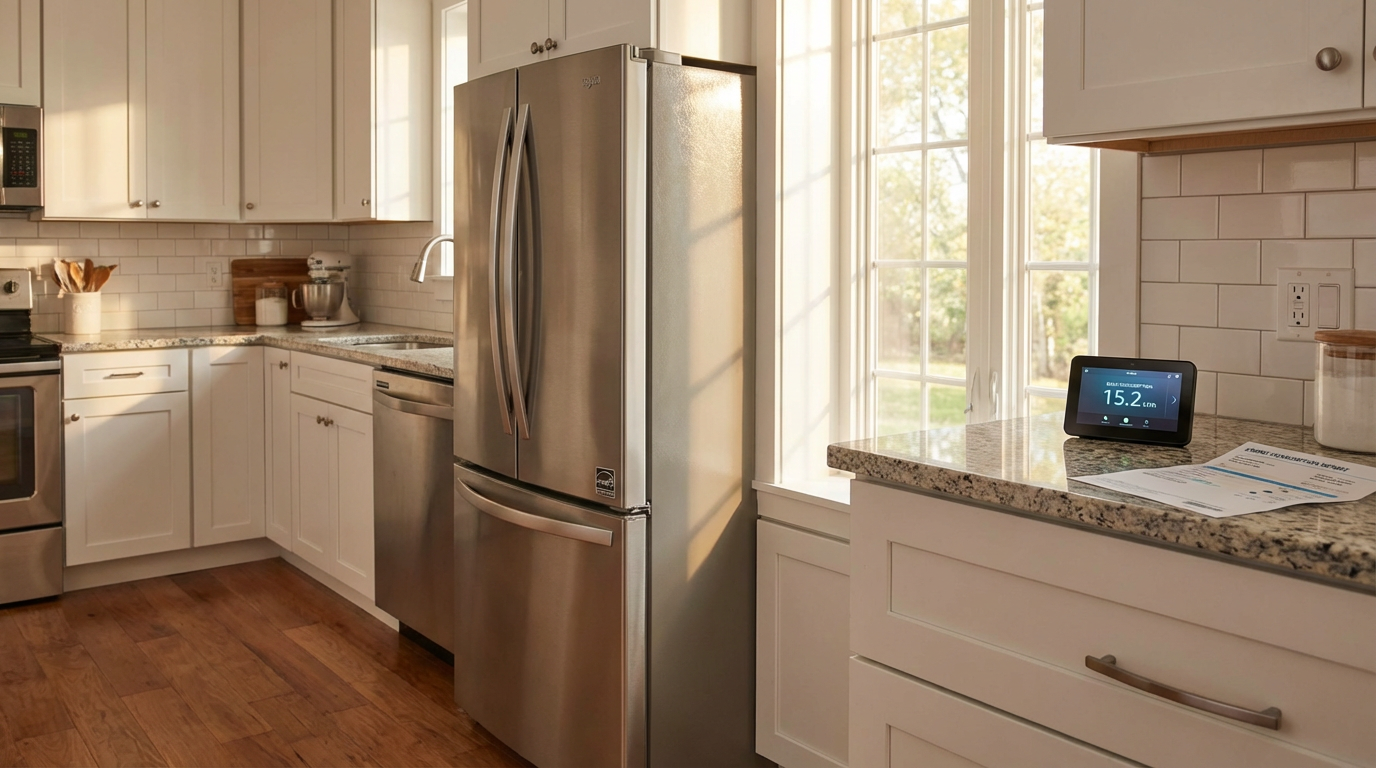
The temperature of your refrigerator plays a significant role in preserving the quality and safety of cooked ham. The USDA recommends keeping your refrigerator at or below 40°F (4°C). At this temperature, harmful bacteria growth is slowed, effectively prolonging the shelf life of your cooked ham.
| Refrigerator Temperature | Recommended Shelf Life of Cooked Ham |
|---|---|
| At or below 40°F (4°C) | 3-4 days (sliced or leftover) |
Regularly check the temperature of your fridge with an appliance thermometer to ensure it stays within the safe zone. For those with new refrigerators, learn about the time it takes for your appliance to cool down with our article on how long does a new fridge take to get cold?
Shelf Life of Cooked Ham
How long cooked ham stays good depends mostly on how it was packaged and which cut you are storing. Whole, store-wrapped ham keeps longest; sliced, shredded, and sauced ham has the shortest window because more surface area is exposed to air and bacteria.
How Long Cooked Ham Lasts by Type
Use the table below as your quick reference. These figures follow USDA-conservative guidance for cooked ham held at 40°F (4°C) or below:
| Type of Cooked Ham | Shelf Life in the Fridge |
|---|---|
| Whole, store-wrapped | 7 days |
| Half, store-wrapped | 3 to 5 days |
| Sliced | 3 to 4 days |
| Shredded or diced | 3 to 4 days |
| Spiral-cut | 3 to 5 days |
| Ham in sauce or glaze | 2 to 3 days |
| Canned ham (opened) | 3 to 5 days |
| Leftover or reheated cooked ham | 3 to 4 days |
Packaging changes the outcome, too. Ham left loosely covered under plastic wrap tends to be good for only 3 to 4 days, while ham sealed in an airtight container or a vacuum-sealed bag can hold closer to 5 to 7 days because far less air reaches the meat. For more information on storage times for other refrigerated items, consider reading about how long does coleslaw last in the fridge? or how long does pot roast last in the fridge?.
Factors Affecting Shelf Life
Several factors can affect the shelf life of cooked ham in your refrigerator:
- Temperature: The ideal refrigerator temperature is at or below 40°F (4°C). Anything warmer accelerates bacterial growth and spoilage.
- Exposure to Air: Ham exposed to air dries out and spoils faster, which is why airtight, moisture-proof packaging matters.
- Cure Type: Shelf life can differ between dry-cured and wet-cured hams because of their distinct preparation methods and preservative content.
- Preparation Method: How the ham was cooked matters — a boiled or braised ham held in liquid tends to spoil sooner than a roasted one, and glazed or honey-baked hams may not last as long as plain cured ham.
- Frequency of Handling: Every time ham is handled there is a chance to introduce bacteria. Minimize handling and always use clean utensils.
- Initial Freshness: The fresher the ham when you cook or buy it, the longer it lasts afterward. Check the sell-by and use-by dates before you start.
By understanding these factors, you can take steps to ensure your cooked ham remains safe and delicious for as long as possible. Always keep your refrigerator at the correct temperature; you can find out how long does a new fridge take to get cold? if you are setting up a new appliance.
Does Cooked Ham Need to Be Refrigerated?
Yes — cooked ham needs refrigeration, and leaving it out is where most food-safety trouble starts. Bacteria multiply rapidly in the “danger zone” between 40°F and 140°F, so cooked ham should not stay at room temperature for more than 2 hours. After that window, harmful bacteria can reach unsafe levels even if the ham still looks and smells fine, so it should be discarded rather than refrigerated and eaten later.
This answers the common question of whether ham spoils if it is not refrigerated: cooked ham will spoil and become unsafe if it is left out beyond those limits. When you serve ham, keep it chilled until serving, and get leftovers back below 40°F within 2 hours.
The same guidance applies to cooked gammon: keep it refrigerated and use it within the timelines in the table above.
Signs of Spoilage
Understanding when cooked ham has gone bad is crucial for your health and safety. There are several indicators you can look for to judge the freshness of your refrigerated ham.
How to Tell if Cooked Ham Has Gone Bad
There are a few telltale signs that your cooked ham is no longer safe to eat:
- Color Changes: Fresh cooked ham should have a pinkish hue. If it turns green, grey, brown, or any other unnatural color, it is a sign of spoilage.
- Off-Putting Smell: A sour or unpleasant odor is a strong indicator that the ham has gone bad. Fresh cooked ham has a mild, meaty scent.
- Slimy Texture: If the surface feels slick, sticky, or slimy, it has likely been colonized by bacteria and should not be consumed.
- Mold Growth: Any visible mold, no matter how small or what color, means the ham should be discarded immediately.
- Off Taste: If the ham passes the look and smell checks but tastes sour or simply “off,” do not finish it — trust that signal and throw it out.
| Sign of Spoilage | Description |
|---|---|
| Color Changes | Green, grey, or brown hues |
| Smell | Sour or unpleasant odors |
| Texture | Slimy or sticky surface |
| Mold | Visible mold spots or fuzz |
| Taste | Off or unusual flavor |
Safety Precautions
To avoid foodborne illness, follow these safety precautions:
- Prompt Refrigeration: Always refrigerate cooked ham within two hours of cooking or purchasing.
- Separate Storage: Keep cooked ham separate from raw foods to prevent cross-contamination.
- Regular Checks: Inspect your refrigerated ham for signs of spoilage before each use.
- Safe Consumption: Consume or freeze cooked ham within the recommended time frame, and when in doubt, throw it out.
- Proper Reheating: When reheating ham, make sure it reaches an internal temperature of 165°F (74°C) to kill any harmful bacteria.
By staying vigilant and adhering to these practices, you can enjoy your cooked ham safely and reduce the risk of foodborne illness. For more information on safe food storage, check out our guides such as how long does coleslaw last in the fridge? and how long does pot roast last in the fridge?.
Extending Shelf Life
To get the most out of your cooked ham, freezing and careful reheating are the two tools that keep it safe well beyond its refrigerator window.
Freezing Cooked Ham
Freezing is a reliable way to extend the life of cooked ham. Frozen at 0°F (-18°C) or below, its texture, flavor, and nutritional value are well preserved.
| State | Shelf Life in Freezer |
|---|---|
| Whole, Cooked Ham | 1-2 months |
| Slices or Portions | 1-2 months |
Frozen ham stays safe indefinitely, but for best quality use it within 1 to 2 months. To freeze cooked ham effectively:
- Let the ham cool, then slice it into portions or leave it whole, depending on your future plans. Freezing in meal-sized portions means you only thaw what you need.
- Wrap the ham tightly in freezer-safe wrap or aluminum foil to prevent freezer burn.
- Place the wrapped ham in airtight freezer bags, squeezing out as much air as possible before sealing.
- Label the bags with the current date so you can keep track of how long they have been frozen.
- Store the ham in the coldest part of your freezer to ensure consistent freezing.
For more detailed guidelines on preparing other foods for freezing, you might be interested in reading about how long does fig juice last in the fridge? or how long does French toast last in the fridge?
Reheating Safely
Reheating cooked ham properly restores its flavor and, more importantly, makes it safe to eat again. Follow these steps:
- Thaw frozen ham in the refrigerator for 24-48 hours before you plan to eat it, or use your microwave's defrost setting. Avoid thawing at room temperature, which encourages bacterial growth. Once thawed in the fridge, use the ham within 3 to 4 days.
- Preheat your oven to 325°F (163°C).
- Place the ham in a baking dish with a small amount of water and cover it with foil to keep it from drying out.
- Heat until it reaches an internal temperature of 165°F (74°C), checked with a food thermometer at the center of the meat.
- Once heated, serve immediately or refrigerate any leftovers promptly.
Use the guide below to estimate reheating time in a 325°F oven:
| Type of Ham | Approximate Reheating Time |
|---|---|
| Whole cooked ham | 10-12 minutes per pound |
| Sliced cooked ham | 20-30 minutes, until hot |
| Diced or shredded ham | 10-15 minutes, until hot |
For smaller portions you can use the microwave instead: place slices on a microwave-safe plate, cover with a damp paper towel to hold in moisture, and heat in 30-second intervals on medium power until hot throughout. Only reheat the amount you plan to eat, as repeated reheating degrades both quality and safety.
Tips for Storing Cooked Ham
Good habits at the packaging stage do most of the work of keeping ham fresh. The two that matter most are sealing out air and keeping cooked ham away from raw foods.
Proper Packaging for Refrigeration
To maximize the shelf life of cooked ham in the refrigerator, follow these packaging guidelines:
- Airtight Container: Place the ham in an airtight container to keep it from absorbing odors from other foods and to slow drying.
- Wrapping: If you do not have an airtight container, wrap the ham tightly in aluminum foil or plastic wrap with no gaps where air can enter. A vacuum-sealed bag protects best of all.
- Portioning: If you have a large amount, divide it into smaller portions before storing so you only open what you will use, keeping the rest fresher for longer.
- Labeling: Always label the container with the date the ham was cooked so you can track how long it has been in the fridge.
Avoiding Cross-Contamination
Cross-contamination happens when cooked food touches raw food, or when juices from raw meat drip onto other items. To avoid it:
- Separate Storage: Store cooked ham on a higher shelf, above and away from raw meats and any foods eaten raw.
- Dedicated Space: Assign a specific area of your fridge for cooked meats so they never touch raw products.
- Clean Spills Immediately: If juices from raw meat spill in the fridge, wipe them up promptly to stop bacteria from spreading.
- Use Clean Tools: Use separate utensils and cutting boards for cooked ham and raw ingredients.
By following these storage tips, you can enjoy your cooked ham confidently, knowing it has been handled safely. For the longevity of other foods, explore articles like how long does coleslaw last in the fridge? and how long does pot roast last in the fridge?.
Creative Ways to Use Leftover Cooked Ham
Recipe Ideas for Utilizing Cooked Ham
When you find yourself with leftover cooked ham, there are numerous ways to repurpose it into new meals. Here are some ideas:
- Ham and Cheese Quiche: Fold chunks of ham into a classic quiche with shredded cheese and fresh vegetables for breakfast or brunch.
- Ham Fried Rice: Use diced ham as the protein in fried rice with eggs, peas, carrots, and a splash of soy sauce for a quick meal.
- Ham and Bean Soup: Simmer leftover ham (or the ham bone) with beans, broth, and vegetables for a hearty, comforting soup.
- Split Pea Soup with Ham: Add leftover ham to split pea soup for rich, smoky flavor.
- Ham Sandwiches: Build sandwiches from sliced ham, ranging from simple ham and cheese to gourmet versions on artisan bread.
Incorporating Ham in Various Dishes
Leftover ham is versatile and can add flavor and protein to a wide range of dishes:
- Pasta: Dice ham and add it to conchiglie pasta or fagottini pasta with a cream or tomato-based sauce.
- Pizza Topping: Top homemade pizza with ham and pair it with pineapple, bell peppers, or mushrooms.
- Salads: Toss ham into a chef's salad or a garden salad for a more substantial meal.
- Casseroles: Layer ham with potatoes, cheese, and a creamy sauce, then bake until golden and bubbly.
- Breakfast Dishes: Add ham to scrambled eggs, omelets, or breakfast burritos for a filling start to the day.
- Potatoes: Combine diced ham with baked or mashed potatoes, cheese, and herbs for a satisfying side.
Storing Leftover Ham Dishes
Once you have turned cooked ham into a new dish, store it in an airtight container, label it with the date, and refrigerate within two hours. Reheat leftovers to 165°F (74°C) before serving. Use this guide for how long the finished dishes keep at 40°F or below:
| Leftover Dish | Refrigerator Storage Time |
|---|---|
| Ham and cheese quiche | 3 to 4 days |
| Ham and bean or split pea soup | 3 to 4 days |
| Ham fried rice | 3 to 4 days |
| Ham sandwich | 1 to 2 days |
| Ham and potato casserole | 3 to 4 days |
Remember, properly storing your cooked ham is key to keeping it fresh and safe. If you are looking for storage tips on other foods, explore our articles on items like coleslaw, ramen, or lemons to keep your fridge organized and your food fresh.
FAQs About Storing Cooked Ham
When it comes to storing cooked ham, several questions come up again and again. Here are answers to the most common ones.
Can You Freeze Cooked Ham?
Yes, you can freeze cooked ham. Freezing extends its life well beyond the refrigerator window, making it a convenient option for long-term storage. Wrap the ham tightly in freezer-safe materials to prevent freezer burn, and for best quality use it within 1 to 2 months, even though it stays safe frozen indefinitely.
How Long Can Leftover Ham Stay in the Fridge?
Leftover cooked ham can be stored in the refrigerator for different periods depending on the type of ham, how it was cooked, and how it is stored. The table below outlines general guidelines for refrigerated cooked ham:
| Type of Cooked Ham | Refrigerator (40°F or below) |
|---|---|
| Whole, store-wrapped | 7 days |
| Half, store-wrapped | 3-5 days |
| Slices | 3-4 days |
| Leftover cooked ham (reheated) | 3-4 days |
Store cooked ham in shallow airtight containers or wrap it tightly with heavy-duty aluminum foil or plastic wrap to get the full shelf life.
How Long Does Shredded Ham Last in the Fridge?
Shredded or diced cooked ham lasts 3 to 4 days in the refrigerator at 40°F (4°C) or below. Because shredding exposes much more surface area to air, it spoils a little faster than a whole piece, so seal it in an airtight container and keep it toward the back of a lower shelf. If you cannot use it within a few days, freeze it in portions for 1 to 2 months.
How Long Can You Keep Cooked Gammon in the Fridge?
Once gammon has been cooked, store it exactly as you would any other cooked ham: keep it at 40°F (4°C) or below and use it within the timelines in the table above — about 3 to 5 days for most cuts, and up to 7 days for a whole, store-wrapped piece. Wrap it tightly, label it with the date, and freeze anything you will not eat within that window.
Can Cooked Ham Be Left Out at Room Temperature?
No — cooked ham should not be left at room temperature for more than 2 hours. Between 40°F and 140°F — the “danger zone” — bacteria multiply quickly, so ham left out longer than that should be discarded even if it looks fine. Cooked ham always needs refrigeration, so get it back below 40°F within 2 hours of serving.
How Long Can You Keep Ham in the Fridge Before Cooking?
This guide covers cooked ham, and the factor that matters most before cooking is the ham’s initial quality: the fresher a ham is before you cook it, the longer it will keep once it has been cooked. Store any ham at 40°F (4°C) or below, go by the expiration date printed on the package, and then follow the cooked-ham timelines above once it has been cooked.
Is It Safe to Eat Cooked Ham After Its Expiration Date?
It is generally not recommended to eat cooked ham after its expiration date. That date indicates when the ham is guaranteed to be at its best quality; eating food past it increases the risk of foodborne illness, especially if there are any signs of spoilage.
Always inspect cooked ham for an off smell, a slimy texture, or a change in color before deciding to eat it. When in doubt, err on the side of caution and dispose of any food you suspect may be unsafe. By following these guidelines and regularly monitoring your fridge's temperature, you can keep cooked ham fresh and safe for as long as possible. For the storage life of other items in your fridge, explore our articles such as how long does coleslaw last in the fridge? or how long does pot roast last in the fridge?.
Get Your Upgrade or New Addition at Fridge.com
Whether you're searching for your perfect fridge, freezer, wine fridge, beer fridge, ice maker, or kegerator, we have what you need.
Shop the world's best brands at Fridge.com.
We also have tons of awesome articles about kitchen stuff and home news. Enhance your home, garage, backyard, patio, and office with the coolest essentials. With every necessary type of residential refrigerator or freezer in our collection, we've got you covered.
Elevate your game and shop now at Fridge.com!