How Long Does Cooked Chicken Breast Last in the Fridge?
Cooked chicken breast lasts 3 to 4 days in the fridge when it is stored in an airtight container at 40°F (4°C) or below. If you want to keep it longer, freeze it, where it stays at good quality for up to 4 months. This is true whether the chicken was baked, boiled, grilled, roasted, or shredded, so the same 3-4 day window applies to leftover grilled chicken and rotisserie-style chicken breast too.
Here is the quick answer at a glance:
| Storage Method | Temperature | How Long It Lasts |
|---|---|---|
| Refrigerator | 40°F (4°C) or below | 3-4 days |
| Freezer | 0°F (-18°C) or below | Up to 4 months |
Beyond 3-4 days in the fridge, the risk of spoilage and bacterial growth climbs, so it is best to eat or freeze your chicken within that window. The rest of this guide covers how to store it, how to spot spoilage, and how to reheat it safely.
Storing Cooked Chicken Breast
Proper storage of cooked chicken breast is essential to maintain its freshness and prevent foodborne illnesses. This section outlines the importance of storing your chicken correctly and provides guidelines for refrigerating it.
Importance of Proper Storage
Proper storage of cooked chicken breast helps preserve its quality, flavor, and safety. Incorrect storage can lead to bacterial growth, which increases the risk of food poisoning. By storing your chicken correctly, you can ensure that it remains safe to eat and retains its taste and texture. For anyone who likes to entertain or cook in large batches, understanding proper storage techniques is key to avoiding food waste while keeping meals safe.
Guidelines for Refrigerating Cooked Chicken Breast
To keep your cooked chicken breast fresh and safe, follow these guidelines for refrigeration:
- Cool Quickly: After cooking, allow the chicken to cool down to room temperature as quickly as possible. Avoid leaving it out for more than two hours. If the room is warmer than 90°F (32°C), refrigerate it within one hour, because bacteria multiply much faster at higher temperatures.
- Use Shallow, Airtight Containers: Store the chicken in shallow, airtight containers or wrap it tightly in aluminum foil or plastic wrap. Shallow containers cool the chicken more quickly and evenly, and an airtight seal helps prevent moisture loss and keeps out bacteria.
- Label and Date: Always label the container with the date you cooked the chicken. This makes it easier to track how long it has been stored.
- Refrigerate Promptly: Place the chicken in the refrigerator within two hours of cooking. Make sure your fridge is set to 40°F (4°C) or below.
- Store on an Upper Shelf: Keep cooked chicken on the middle or top shelf of the fridge, above any raw meat, and on a shelf rather than in the door where temperatures swing more. Avoid overcrowding so cold air can circulate freely.
Here’s a quick reference table for refrigerating cooked chicken breast:
| Storage Method | Maximum Duration |
|---|---|
| Airtight Container | 3-4 Days |
| Aluminum Foil/Plastic Wrap | 3-4 Days |
| Zippered/Resealable Bag | 3-4 Days |
For more detailed information on how to store other food items in your fridge, check out our articles on how long can quinoa last in the fridge? and how long can you defrost meat in the fridge?.
Proper storage practices are crucial for maintaining the quality and safety of your cooked chicken breast. By following these guidelines, you can enjoy delicious, safe meals every time.
Shelf Life of Cooked Chicken Breast
Understanding the shelf life of cooked chicken breast is crucial to ensure food safety and prevent foodborne illnesses. Several factors can influence how long cooked chicken breast lasts in the fridge.
Factors Affecting Shelf Life
Several elements can impact the longevity of cooked chicken breast in your refrigerator:
- Storage Temperature: Keeping your fridge at a consistent temperature below 40°F (4°C) is vital for prolonging the shelf life of cooked chicken.
- Packaging: Properly sealing the chicken in airtight containers or heavy-duty aluminum foil can help prevent exposure to air and contaminants.
- Initial Freshness: The freshness of the chicken before cooking also plays a role. Fresher chicken lasts longer once cooked.
- Moisture Levels: Excess moisture encourages bacterial growth. Make sure the chicken is not sitting in liquid and is properly cooled before sealing it up.
- Handling Practices: Adhering to safe handling and hygiene practices, such as using clean utensils and surfaces, can minimize bacterial contamination.
Recommended Storage Duration
Following the recommended storage durations for cooked chicken breast ensures you consume it while it's still safe and delicious:
| Storage Method | Duration |
|---|---|
| Refrigerated (below 40°F / 4°C) | 3-4 days |
| Frozen (below 0°F / -18°C) | Up to 4 months |
Proper storage also involves knowing the signs of spoilage to avoid consuming unsafe food. For more details on how to handle and store other foods, you might find these articles helpful: how long can quinoa last in the fridge? and how long is marinated chicken good for in the fridge?.
By following these guidelines, you can ensure that your cooked chicken breast remains safe to eat and delicious for as long as possible.
Signs of Spoilage
When it comes to determining if your cooked chicken breast is still safe to eat, there are key indicators of spoilage to watch out for. These signs can help you avoid foodborne illnesses and ensure that your meals remain fresh and delicious.
Visual Changes
One of the first indicators that your cooked chicken breast may have spoiled is a change in its appearance. Freshly cooked chicken breast should have a consistent color and texture. However, if you notice any of the following visual changes, it may be a sign that the chicken is no longer safe to consume:
- Color: Fresh chicken breast typically has a white or light tan color. If the chicken has developed a gray, green, yellow, or bluish hue, it is likely spoiled.
- Mold: Any fuzzy white, green, or black spots are a clear sign the chicken must be thrown out.
- Texture: Spoiled chicken may become slimy or sticky to the touch, or feel mushy and broken down instead of firm. This change in texture is a clear indication that the chicken is no longer good to eat.
| Sign of Spoilage | Description |
|---|---|
| Color Change | Gray, green, yellow, or bluish hue |
| Mold | Fuzzy white, green, or black spots |
| Texture Change | Slimy, sticky, or mushy surface |
For more information on food storage and spoilage signs, you can visit our article on how long can quinoa last in the fridge?.
Smell Test
Another reliable method to determine if your cooked chicken breast has gone bad is the smell test. Fresh chicken should have a mild, neutral aroma. Spoiled chicken, on the other hand, will emit an unpleasant odor. Here are some specific smells to watch out for:
- Sour Odor: A sour or tangy smell is a strong indicator that the chicken has spoiled.
- Foul Smell: Any foul, rancid, sulfur-like, or ammonia-like odor is a clear sign of spoilage.
If you detect any of these smells, it is best to discard the chicken to avoid potential health risks.
Taste and Texture Check
If cooked chicken looks and smells fine but tastes off, sour, or simply "wrong" on the first bite, do not swallow it. Spit it out and throw the rest away. When in doubt, throw it out. It is never worth risking food poisoning over a few days' worth of leftovers.
For more tips on safe food handling practices, you can check out our article on how long is marinated chicken good for in the fridge?.
By being vigilant about these signs of spoilage, you can ensure that your cooked chicken breast remains safe and enjoyable to eat. Remember to always store your food properly and check for any changes before consuming leftovers.
Safe Handling Practices
Ensuring the safety and quality of your cooked chicken breast involves proper handling practices. This includes the right packaging methods and correct procedures for thawing and reheating.
Proper Packaging
Proper packaging is essential for maintaining the freshness and safety of cooked chicken breast. When storing cooked chicken in the fridge, use airtight containers or heavy-duty aluminum foil to prevent exposure to air and moisture. This helps to minimize the risk of bacterial growth and spoilage.
| Packaging Method | Benefits |
|---|---|
| Airtight Containers | Prevents air and moisture exposure |
| Glass Containers with Sealed Lids | Reusable and keep food fresh |
| Heavy-Duty Aluminum Foil | Provides a tight seal to keep food fresh |
| Zippered or Vacuum-Sealed Bags | Convenient, space-saving, and remove air for longer storage |
Ensure that the chicken is cooled to room temperature before packaging. This prevents condensation, which can create a breeding ground for bacteria. Label the containers with the date of storage to keep track of the shelf life. Dividing the chicken into smaller portions before storing means you only reheat what you need and keep the rest sealed and fresh.
Thawing and Reheating
When it comes to thawing and reheating cooked chicken breast, it's important to follow safe practices to avoid foodborne illnesses.
Thawing cooked chicken should be done in the refrigerator, not at room temperature. This ensures that the chicken remains at a safe temperature while thawing. Depending on the size, it may take several hours to overnight to thaw completely. For faster thawing, you can use the microwave's defrost setting, but be sure to reheat the chicken immediately after thawing.
| Thawing Method | Time Required | Notes |
|---|---|---|
| Refrigerator | Several hours to overnight | Safest method |
| Microwave (defrost setting) | Minutes | Requires immediate reheating |
Reheating should be done thoroughly to an internal temperature of 165°F (74°C) to kill any potential bacteria. Use a meat thermometer to confirm the temperature. You can reheat using a microwave, oven, or stovetop:
- Microwave: Cover the chicken with a microwave-safe lid or wrap to retain moisture. Stir or rotate halfway through to avoid cold spots.
- Oven: Preheat to 350°F (175°C), place the chicken in an oven-safe dish, cover with foil, and heat until it reaches 165°F (74°C).
- Stovetop: Heat in a pan over medium heat, adding a splash of water or broth to keep the chicken juicy.
| Reheating Method | Setting/Temperature | Target Internal Temp |
|---|---|---|
| Microwave | Medium-High | 165°F (74°C) |
| Oven | 350°F (175°C) | 165°F (74°C) |
| Stovetop | Medium | 165°F (74°C) |
For more information on handling and storing various foods, you can explore our articles on how long can quinoa last in the fridge? and how long can you defrost meat in the fridge?.
By following these safe handling practices, you can ensure that your cooked chicken breast remains fresh, safe, and delicious.
Extending the Shelf Life
Freezing Cooked Chicken Breast
Freezing cooked chicken breast is a practical way to extend its shelf life. Properly stored, cooked chicken breast can last in the freezer for up to 4 months without losing quality. To ensure the best results, follow these steps:
- Cool the Chicken: Allow the chicken to cool completely before freezing to avoid ice crystals.
- Portion Control: Divide the chicken into meal-sized portions.
- Wrap Then Bag: Wrap each piece tightly in plastic wrap or aluminum foil, then place it in an airtight container or heavy-duty freezer bag to prevent freezer burn.
- Labeling: Label each package with the date of freezing to keep track of storage time.
| Storage Method | Duration |
|---|---|
| Refrigerator | 3-4 days |
| Freezer | Up to 4 months |
For more on freezing poultry, see our article on how long can you keep chicken in the freezer?.
Labeling and Dating
Knowing when your chicken was cooked and when to use it by keeps your fridge safe and organized:
- Date It: Write down the date you cooked and stored the chicken.
- Add a Use-By Date: Cooked chicken breast is generally good for 3-4 days in the fridge, so mark a use-by date three to four days out.
- Use Removable Labels: Labels or masking tape you can peel off keep containers clean and your information current.
| Item | Date Cooked | Use-By Date |
|---|---|---|
| Chicken Breast | Day of cooking | 3-4 days later |
Creative Ways to Use Leftover Chicken
Leftover chicken breast can be a versatile ingredient in many dishes. Here are some creative ways to use it:
- Chicken Salad: Mix diced chicken with mayonnaise, celery, grapes, and spices, then serve over greens or in a sandwich.
- Tacos and Quesadillas: Shred the chicken and use it as a filling, topped with cheese, salsa, and avocado.
- Casseroles: Add chicken to a variety of casseroles for added protein.
- Stir-Fries and Fried Rice: Combine chicken with vegetables, rice, and sauce for a quick meal.
- Soups: Incorporate chicken into soups for a hearty addition.
- Pizza Topping: Scatter shredded chicken over homemade pizza.
To make the most of your leftovers and cut down on waste, cook a batch of chicken at the start of the week for meal prep, freeze extra portions in freezer-friendly meals like casseroles or soups, and pack slices into lunchbox wraps and salads.
By freezing cooked chicken breast and getting creative with leftovers, you can make the most of your meals and reduce waste. For additional tips on food safety and storage, keep reading the sections below on temperature control and avoiding cross-contamination.
Food Safety Tips
When it comes to storing cooked chicken breast in the fridge, following proper food safety tips is essential to ensure it remains safe to eat. Here are some key guidelines to help you maintain the quality and safety of your cooked chicken.
Temperature Control
Maintaining the correct temperature is crucial for food safety. Cooked chicken breast should be stored in the refrigerator at a temperature of 40°F (4°C) or below. This helps to slow down the growth of bacteria and keep your food safe.
To ensure your fridge is at the correct temperature, use a fridge thermometer. Check the temperature regularly and adjust the settings if necessary, and store chicken on a shelf rather than in the door, where temperatures fluctuate.
| Temperature (°F) | Storage Time (days) |
|---|---|
| 40°F or below | 3-4 |
| Above 40°F | Unsafe |
Avoiding Cross-Contamination
Cross-contamination can occur when harmful bacteria from raw foods transfer to cooked foods. To prevent this, follow these tips:
- Store cooked chicken breast on a separate shelf, above and away from raw meats, so juices cannot drip onto it.
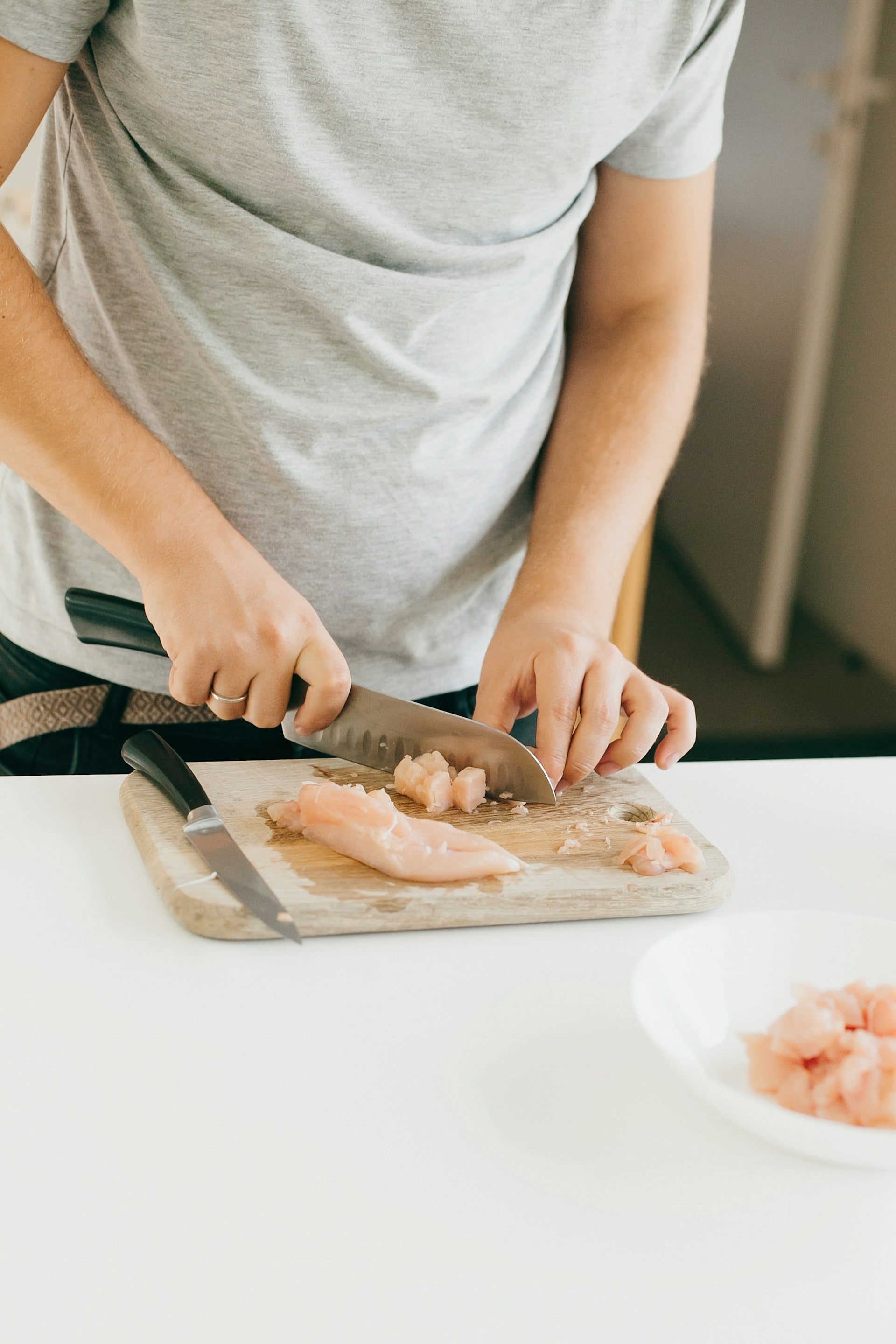
- Use clean utensils and cutting boards when handling cooked chicken, and keep separate boards for raw and cooked foods.
- Never reuse a container that held raw meat without washing it thoroughly first.
- Wash your hands thoroughly before and after handling food.
For more information on food safety, you can read our articles on how long can raw meat stay in the fridge? and how long is marinated chicken good for in the fridge?.
By following these temperature control and cross-contamination guidelines, you can ensure that your cooked chicken breast remains safe and delicious to eat.
Frequently Asked Questions
How long does cooked chicken last in the fridge?
Cooked chicken, including chicken breast, lasts 3 to 4 days in the fridge when stored in an airtight container at 40°F (4°C) or below. After 4 days, throw it out even if it looks fine.
How long do chicken breasts last in the fridge once cooked?
Cooked chicken breasts stay good for 3 to 4 days in the refrigerator. Keep them sealed, on an upper shelf, and away from raw foods to reach the full window.
How long can you keep or leave cooked chicken in the fridge?
You can safely keep cooked chicken in the fridge for up to 3 to 4 days. It should also never sit out at room temperature for more than two hours (or one hour if the room is above 90°F / 32°C) before being refrigerated.
How long does grilled chicken last in the refrigerator?
Grilled chicken breast follows the same rule as any other cooked chicken: 3 to 4 days in the fridge at 40°F (4°C) or below, or up to 4 months in the freezer. The cooking method does not change how long it safely lasts.
Can you freeze cooked chicken breast, and for how long?
Yes. Frozen cooked chicken breast keeps its best quality for up to 4 months at 0°F (-18°C) or below. Cool it completely, wrap each portion tightly, then seal it in a freezer bag or airtight container to prevent freezer burn.
How can you tell if cooked chicken has gone bad?
Look for a gray, green, yellow, or bluish color, fuzzy mold, or a slimy, sticky, or mushy texture. Smell for a sour, ammonia-like, or foul odor. If it tastes off on the first bite, discard it. When in doubt, throw it out.
What is the safest way to store cooked chicken breast?
Cool it within two hours, place it in a shallow airtight container, label it with the date, and refrigerate it at 40°F (4°C) or below on an upper shelf away from raw meat.
What temperature should you reheat cooked chicken to?
Reheat cooked chicken until it reaches an internal temperature of 165°F (74°C) throughout, using a microwave, a 350°F (175°C) oven, or the stovetop. Use a meat thermometer to confirm before eating.
How should you thaw frozen cooked chicken?
Thaw frozen cooked chicken in the refrigerator overnight, or use the microwave's defrost setting if you plan to reheat it right away. Do not thaw it at room temperature, which lets bacteria grow.
Get Your Upgrade or New Addition at Fridge.com
Whether you're searching for your perfect fridge, freezer, wine fridge, beer fridge, ice maker, or kegerator, we have what you need.
Shop the world's best brands at Fridge.com.
We also have tons of awesome articles about kitchen stuff and home news. Enhance your home, garage, backyard, patio, and office with the coolest essentials. With every necessary type of residential refrigerator or freezer in our collection, we've got you covered.
Elevate your game and shop now at Fridge.com!