Understanding Food Safety
Importance of Proper Food Storage
Proper food storage is essential for maintaining the safety and quality of your food. By storing food correctly, you can prevent the growth of harmful bacteria and prolong the shelf life of your ingredients. This is particularly important for perishable items like marinated chicken. Understanding how to store your food safely can help you avoid foodborne illnesses and ensure that your meals are both delicious and safe to eat.
Guidelines for Refrigerating Marinated Chicken
When it comes to refrigerating marinated chicken, there are a few key guidelines to follow to ensure its safety and quality.
Temperature Control: Always store marinated chicken in the refrigerator at or below 40°F (4°C). This temperature slows down the growth of bacteria and helps keep the chicken safe for consumption.
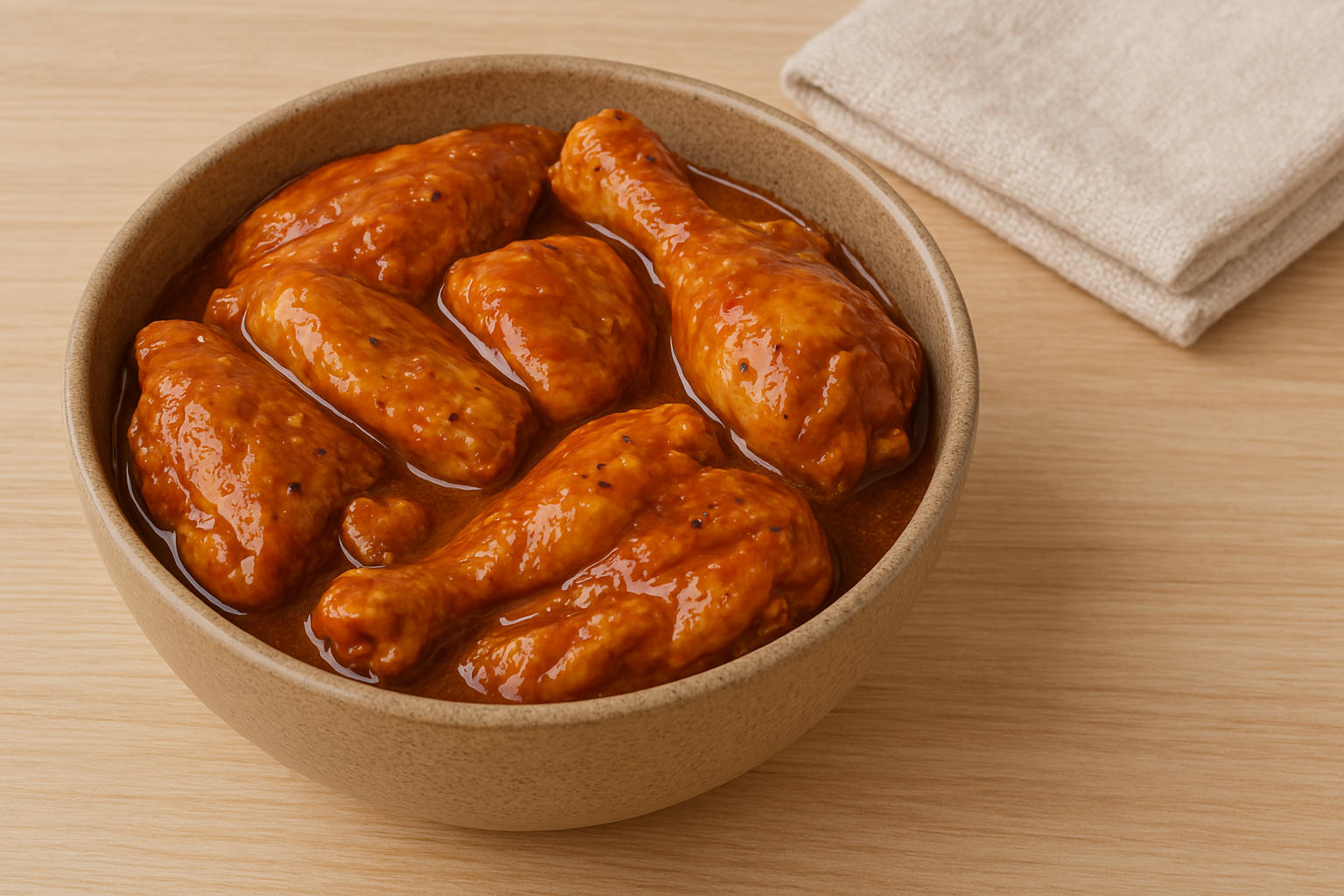
Sealed Containers: Use airtight containers or resealable plastic bags to store marinated chicken. This prevents cross-contamination with other foods and keeps the marinade from leaking. A covered bowl works too, as long as it is sealed tightly with a lid or plastic wrap so no air or contaminants get in.
Timing: Marinated chicken should be stored in the refrigerator for a limited time to maintain its freshness and safety. Typically, raw marinated chicken can last in the fridge for up to 2 days. Beyond this period, the risk of bacterial growth increases, making the chicken unsafe to consume.
Labeling: Label the container with the date you placed the chicken in the refrigerator. This helps you keep track of how long it has been stored and ensures you use it within the safe time frame.
By following these guidelines, you can ensure that your marinated chicken remains safe and delicious for your meals. For more tips on how to store other food items, you can explore articles like how long can pickled jalapenos last in the fridge? and how long will fresh green beans last in the fridge?.
Shelf Life of Marinated Chicken
When it comes to marinated chicken, understanding its shelf life is crucial for maintaining food safety and ensuring delicious meals. The shelf life of marinated chicken can be influenced by several factors, including the ingredients in the marinade and how the chicken is stored.
Factors Affecting Shelf Life
Several factors can affect the shelf life of marinated chicken in the refrigerator:
- Ingredients in the Marinade: Acidic ingredients like lemon juice, vinegar, and yogurt can help extend the shelf life by acting as preservatives. Dairy-based marinades, on the other hand, may shorten it, so use those batches sooner rather than later.
- Storage Temperature: Keeping the marinated chicken at a consistent temperature of 40°F (4°C) or below is essential for preventing bacterial growth.
- Freshness of Chicken: Starting with fresh chicken will naturally extend the shelf life compared to using chicken that is already close to its expiration date.
- Duration of Marination: Prolonged marination can affect the texture and quality of the chicken. It's generally best to marinate chicken for no more than 24 hours.
Because acidity matters so much, the type of marinade can shift how long the chicken stays safe and appetizing:
| Type of Marinade | Estimated Shelf Life in Fridge |
|---|---|
| Acidic (e.g., lemon, vinegar) | 2-3 days |
| Non-acidic (e.g., herbs, oil) | 1-2 days |
Typical Duration of Marinated Chicken in the Fridge
The typical duration for which you can keep marinated chicken in the fridge varies, but here are some general guidelines:
| Storage Method | Duration in Fridge |
|---|---|
| Fresh Marinated Chicken (raw) | 1-2 days |
| Vacuum-sealed Marinated Chicken | Up to 3 days |
| Cooked Marinated Chicken | 3-4 days |
| Store-bought Pre-marinated Chicken | Follow expiration date on packaging |
Raw or seasoned chicken follows the same 1-2 day rule whether it is soaking in a wet marinade or simply rubbed with dry seasoning, so treat seasoned raw chicken exactly like marinated chicken. Once you cook it, the clock resets and the cooked chicken keeps for 3-4 days in an airtight container. After marinating, it's important to cook the chicken thoroughly to an internal temperature of 165°F (74°C) to ensure food safety. If you can't cook the marinated chicken within the recommended time frame, consider freezing it to extend its shelf life. For more information on food storage, check out our article on how long do canned pinto beans last in the fridge?.
Fridge, Not the Counter, and Never a Week
Marinated chicken should always be kept in the refrigerator, never left out on the counter or marinated at room temperature. Raw chicken sits in the "danger zone" of 40°F to 140°F (4°C to 60°C), where bacteria multiply rapidly, so any time spent outside the fridge shortens its safe life dramatically. A short marinating session of a few hours, such as 6 hours, is perfectly fine as long as the chicken stays chilled the whole time. What you should not do is keep raw marinated chicken in the fridge for a week; at that point it is well past safe and should be discarded. If you need to store it longer than a couple of days, freezing is the right move.
How Long Can You Marinate Chicken?
Marinating does more than add flavor. The acids and enzymes in a marinade gently break down proteins, tenderizing the meat and locking in moisture. But there is a sweet spot: marinate too briefly and the flavor is faint, marinate too long and lean cuts can turn mushy. As a general rule of thumb, marinate chicken for at least 30 minutes but no more than 24 hours, always in the refrigerator.
Marinating Times by Cut
Different cuts absorb marinade at different rates. Thinner, leaner cuts like breasts take on flavor quickly and can turn soft if left too long, while denser dark meat can handle longer soaks. Use these guidelines:
| Chicken Cut | Recommended Marinating Time | Maximum Marinating Time |
|---|---|---|
| Boneless Breasts | 30 minutes - 2 hours | 2 hours (acidic marinade) |
| Thighs | 1 - 6 hours | 12 hours |
| Drumsticks | 1 - 6 hours | 12 hours |
| Wings | 30 minutes - 2 hours | 2 hours |
| Bone-in Pieces | 8 - 12 hours | 1 day |
| Ground Chicken | up to 1 hour | 1 day |
| Whole Chicken | 4 - 8 hours or overnight | 24 hours |
Acidic marinades made with citrus juice or vinegar work faster, so cut the time short for lean pieces. The maximum safe marinating window for most chicken is up to 24 hours; beyond that both the texture and safety of the meat can suffer.
Dry Rubs vs. Wet Marinades
Dry rubs are blends of herbs and spices pressed onto the surface of the chicken. They form a flavorful crust and generally need less time than wet marinades because they sit directly on the meat. Wet marinades are liquid solutions of oils, acids, juices, and seasonings that penetrate more deeply and tenderize the proteins, so they benefit from longer periods in the fridge. Whichever you choose, keep the chicken fully coated and turn it occasionally so every side is evenly exposed.
Safe Marinating Practices
- Always marinate in the refrigerator, never on the countertop, to keep the chicken out of the bacterial danger zone.
- Use a non-reactive container such as glass, stainless steel, or food-grade plastic, or a resealable bag with the air pressed out. Avoid reactive metals that can pick up a metallic taste from acidic marinades.
- Position the container on the bottom shelf of the fridge to prevent raw juices from dripping onto other foods.
- Never reuse marinade that has touched raw chicken as a sauce unless you boil it first to destroy any bacteria.
Signs of Spoilage
Knowing the signs of spoilage is crucial to ensure the safety of your marinated chicken. Identifying these signs can help prevent foodborne illnesses and ensure you enjoy your meals without any risks.
How to Tell If Marinated Chicken Has Gone Bad
Detecting if marinated chicken has spoiled involves using your senses. Here are some common indicators that your chicken may no longer be safe to consume:
- Smell: A strong, unpleasant odor is a clear sign of spoilage. Fresh chicken should have a mild smell, while spoiled chicken often emits a sour, ammonia-like odor.
- Appearance: Discoloration is another indicator. Fresh chicken is typically pink. If you notice grayish or greenish hues, it's best to discard it.
- Texture: Fresh chicken should feel firm and slightly moist. Spoiled chicken often feels slimy or sticky to the touch.
- Mold: Any visible mold growth on the chicken or in the marinade is a definitive sign that it should be thrown out.
- Marinade Separation: If the marinade appears to have separated or if there are any bubbles, it might indicate bacterial growth.
| Spoilage Indicator | Description |
|---|---|
| Smell | Sour, ammonia-like odor |
| Appearance | Gray or green discoloration |
| Texture | Slimy or sticky |
| Mold | Visible mold on chicken or marinade |
| Marinade Separation | Bubbly or separated marinade |
Safety Precautions to Take
To ensure your marinated chicken remains safe to eat, follow these safety precautions:
- Proper Storage: Always store marinated chicken in an airtight container or a sealed plastic bag in the fridge. This minimizes exposure to air and contaminants.
- Temperature Control: Keep your refrigerator at 40°F (4°C) or below to slow down bacterial growth. It's essential to monitor your fridge's temperature regularly, ideally with a fridge thermometer.
- Cross-Contamination Prevention: Store marinated chicken away from other foods, especially those that will not be cooked before eating, to prevent cross-contamination.
- Timely Consumption: Aim to use raw marinated chicken within 2 days. For longer storage, freezing is a better option. For more on freezing, see our section on how long will food stay good in a freezer without power?.
By knowing the signs of spoilage and taking necessary precautions, you can keep your marinated chicken safe and enjoy your meals without worry. For more information on food storage and safety, check out our articles on how long do breakfast sausages last in the fridge? and how long do cooked pork ribs last in the fridge?.
Storage Tips
When it comes to storing marinated chicken in your fridge, following proper guidelines is essential to maintain its freshness and ensure food safety. Here are some tips to help you store marinated chicken effectively and maximize its shelf life.
Properly Storing Marinated Chicken
To ensure that your marinated chicken stays fresh and safe to eat, consider these storage practices:
- Use an Airtight Container or Covered Bowl: Store marinated chicken in an airtight container, a resealable plastic bag, or a bowl covered tightly with a lid or plastic wrap. This prevents cross-contamination and keeps the marinade from leaking.
- Label and Date: Always label the container with the date you marinated the chicken. This helps you keep track of how long it has been stored.
- Keep It Cold: Store the container on the bottom shelf of your fridge, where the temperature is most consistent. This minimizes the risk of bacterial growth.
Tips for Maximizing Freshness
To further extend the freshness of your marinated chicken, follow these additional tips:
- Maintain Refrigerator Temperature: Ensure your fridge is set to 40°F (4°C) or below to slow down bacterial growth.
- Use Fresh Ingredients: Use fresh chicken and fresh marinade ingredients to start with. This will help maximize the shelf life.
- Avoid Overcrowding: Do not overcrowd your fridge. Proper air circulation helps maintain an even temperature throughout.
The way you seal marinated chicken also changes how long it stays fresh:
| Sealing Method | Estimated Shelf Life in Fridge |
|---|---|
| Airtight Container | 2-3 days |
| Resealable Bag | 2-3 days |
| Plastic Wrap | 1-2 days |
| Vacuum Sealer | 4-5 days |
For more information on how to store different types of food in your fridge, check out our articles on how long do pickled jalapenos last in the fridge? and how long does cooked spaghetti last in the fridge?.
Extending Shelf Life
Freezing Marinated Chicken
Freezing marinated chicken is an effective way to extend its shelf life. By properly freezing your marinated chicken, you can maintain its quality and safety for a longer period. Freezing raw chicken directly in its marinade also lets the flavors continue developing as it thaws.
To freeze marinated chicken, follow these steps:
- Place the marinated chicken in an airtight container or a heavy-duty freezer bag.
- Divide it into meal-sized portions to make thawing and cooking easier.
- Remove as much air as possible before sealing to prevent freezer burn.
- Label the container or bag with the date of freezing and the type of marinade.
Raw marinated chicken can be safely stored in the freezer for up to three months. If you have already cooked the chicken, freeze it in airtight packaging and use it within two months for the best quality.
| Storage Method | Duration in Freezer |
|---|---|
| Raw Marinated Chicken | Up to 3 months |
| Cooked Marinated Chicken | Up to 2 months |
For more tips on how to safely store your food in the freezer, check our article on how long will food stay good in a freezer without power?.
Thawing and Reheating Safety Guidelines
Thawing frozen marinated chicken properly is crucial for food safety. There are a few safe methods to thaw your chicken:
- Refrigerator Thawing: Place the frozen chicken in the refrigerator, allowing roughly 24 hours for every 5 pounds. This method is the safest and ensures even thawing.
- Cold Water Thawing: Submerge the sealed bag of chicken in cold water, changing the water every 30 minutes. This method is faster, taking about 30 minutes per pound, but requires more attention.
- Microwave Thawing: Use the defrost setting on your microwave, but be sure to cook the chicken immediately after thawing to prevent bacterial growth.
Once thawed in the refrigerator, marinated chicken should be cooked within 1-2 days. Avoid thawing chicken at room temperature, and do not refreeze thawed chicken unless it has been cooked first.
| Thawing Method | Time Required |
|---|---|
| Refrigerator Thawing | About 24 hours per 5 lbs |
| Cold Water Thawing | About 30 minutes per pound |
| Microwave Thawing | Cook immediately after |
When cooking or reheating marinated chicken, ensure it reaches an internal temperature of 165°F (74°C) to kill any harmful bacteria. Use a food thermometer to check the temperature. Here are safe ways to reheat cooked marinated chicken:
- Oven: Preheat to 350°F (175°C), place the chicken in an oven-safe dish, cover with foil to retain moisture, and heat until it reaches 165°F (74°C).
- Microwave: Place the chicken in a microwave-safe dish, cover it, and heat on medium power until hot throughout, avoiding cold spots.
- Stovetop: Warm a pan over medium heat, add a little oil or broth, and reheat the chicken until thoroughly hot.
For more information on how to safely handle and store your food, visit our article on how long will fresh caught fish last in the fridge?.
Best Ways to Cook Marinated Chicken
Once your chicken has marinated to perfection, cooking it correctly keeps it both flavorful and safe. Whatever method you choose, always cook the chicken to an internal temperature of 165°F (74°C), verified with a food thermometer, and let it rest for a few minutes afterward to lock in the juices.
| Cooking Method | Description | Best For |
|---|---|---|
| Grilling | Direct heat for a smoky flavor and crisp finish | Thighs or breasts with bold marinades |
| Baking | Even, moist cooking in the oven | Large batches |
| Sautéing | Quick pan cooking over medium-high heat | Smaller pieces and stir-fries |
| Broiling | High heat from above for fast browning | Thin cuts |
Have leftovers? Cooked marinated chicken is versatile in a stir-fry with vegetables, shredded into tacos, chopped into a chicken salad, tossed with pasta, or used as a pizza topping. Just store leftovers in an airtight container, use them within 3-4 days, and reheat to 165°F (74°C).
Frequently Asked Questions
How long can marinated chicken stay in the fridge?
Raw marinated chicken stays safe in the refrigerator for up to 2 days when kept at 40°F (4°C) or below. Acidic marinades may hold up to about 3 days, while dairy-based ones are best used within 1-2 days. Once cooked, marinated chicken keeps for 3-4 days.
How long can you marinate chicken in the fridge?
Marinate chicken for at least 30 minutes and no more than 24 hours. Lean cuts like boneless breasts should not sit in an acidic marinade for more than about 2 hours, or they can turn mushy. Marinating for a few hours, such as 6 hours, is perfectly safe as long as the chicken stays refrigerated.
Should marinated chicken be kept in the fridge or outside?
Always keep marinated chicken in the refrigerator, never on the counter. Raw chicken left at room temperature enters the danger zone of 40°F to 140°F (4°C to 60°C), where bacteria multiply rapidly and quickly make it unsafe to eat.
Can you keep marinated chicken in the fridge for a week?
No. Raw marinated chicken should not be stored for a week. It is safe for only up to 2 days in the fridge. If you need to keep it longer, freeze it for up to 3 months instead.
How long does marinated chicken last in the freezer?
Raw marinated chicken lasts up to 3 months in the freezer, and cooked marinated chicken up to 2 months. Store it in airtight containers or heavy-duty freezer bags with the air pressed out to prevent freezer burn, and label each package with the date.
How long can defrosted marinated chicken stay in the fridge?
Marinated chicken thawed in the refrigerator should be cooked within 1-2 days. Do not refreeze thawed raw chicken unless you cook it first, and avoid thawing at room temperature.
How long can seasoned raw chicken stay in the fridge?
Seasoned raw chicken, whether coated with a dry rub or a wet marinade, follows the same rule as marinated chicken: up to 2 days in the refrigerator at 40°F (4°C) or below.
What are the signs that marinated chicken has gone bad?
Discard marinated chicken if it has a sour or ammonia-like odor, a gray or green tint, a slimy or sticky texture, visible mold, or a bubbly, separated marinade. When in doubt, throw it out.
What internal temperature should marinated chicken reach?
Cook marinated chicken to an internal temperature of 165°F (74°C), measured with a food thermometer, to ensure any harmful bacteria are destroyed. Reheat cooked chicken to the same temperature.
Can you reuse the marinade from raw chicken?
Do not reuse marinade that has been in contact with raw chicken as a sauce unless you boil it first. Boiling destroys any bacteria transferred from the raw meat, making it safe to use.
Get Your Upgrade or New Addition at Fridge.com
Whether you're searching for your perfect fridge, freezer, wine fridge, beer fridge, ice maker, or kegerator, we have what you need.
Shop the world's best brands at Fridge.com.
We also have tons of awesome articles about kitchen stuff and home news. Enhance your home, garage, backyard, patio, and office with the coolest essentials. With every necessary type of residential refrigerator or freezer in our collection, we've got you covered.
Elevate your game and shop now at Fridge.com!