How To Organize A Chest Freezer
Organizing a chest freezer comes down to four steps: defrost and clean the interior, sort food into five or six categories, load each category into a lift-out bin or basket, and track everything on a dated inventory list rotated first-in, first-out. Because a chest freezer opens from the top, anything on the bottom layer disappears from view — so the whole system is built around labeled containers, vertical "filing" of flat packages, and a bottom layer reserved for items you rarely need.
This guide covers the full step-by-step approach. For other refrigeration units, tailored guides cover everything from a compact apartment size refrigerator to a wine cooler.
Why a Chest Freezer Is Worth Organizing
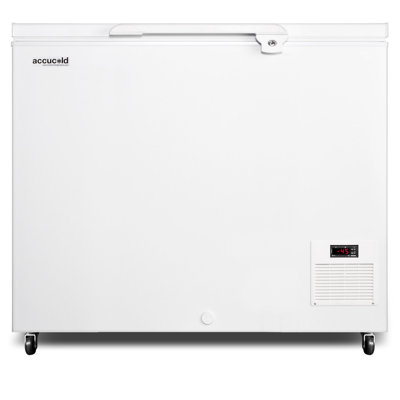
Chest freezers hold more bulk food than upright models, consume less energy, and maintain a more consistent temperature — which preserves food quality better but also makes them easy to overload. They are also more affordable to run; see the average cost to run a chest freezer.
| Benefit | Description |
|---|---|
| Storage Capacity | More space for bulk items |
| Energy Efficiency | Lower energy consumption |
| Consistent Temperature | Better food preservation |
Challenges of Chest Freezer Organization
Four problems make a chest freezer harder to organize than an upright, and every strategy below targets at least one of them:
- Limited visibility: Unlike upright freezers, chest freezers don't allow you to see all contents at a glance, making it easy for items to become buried and forgotten.
- Inconsistent use of space: Without proper dividers or containers, items pile up in a disorganized fashion, wasting capacity.
- Temperature fluctuations: Frequently rearranging items to find what you need causes temperature changes that can affect food quality.
- Ice buildup: Over time, ice accumulates, making it harder to close the lid properly and potentially damaging items near the edges.
For related layouts, see how to organize a top freezer refrigerator and how to organize a small chest freezer.
Starting with a Clean Slate
Before organizing, defrost and clean the freezer. Ice buildup on the interior walls reduces storage space and makes any bin system harder to fit.
Defrosting Your Chest Freezer
- Turn off or unplug your freezer.
- Remove all items and store them in a cooler to keep them frozen.
- Place towels around the freezer to soak up water.
- Allow the ice to melt naturally, or if you're short on time, place a bowl of hot water inside to speed up the process.
- Once the ice has melted, remove the remaining water with towels or a sponge.
Cleaning the Interior
- Create a cleaning solution by mixing mild dish soap with warm water.
- Wipe down the interior surfaces with a sponge or cloth dipped in the soapy water.
- Rinse with a cloth dipped in clean water to remove any soap residue.
- Dry the interior thoroughly with a clean towel before plugging the freezer back in.
- If odors are present, use a mixture of baking soda and water to neutralize them.
Other appliances have their own prep and layout strategies — see how to organize a 2 door refrigerator or a side-by-side refrigerator.
A Step-by-Step Approach to Organizing Your Chest Freezer
Step 1: Categorize Your Frozen Goods
Group similar items so you can locate anything without digging. Start with broad categories — meats, vegetables, fruits, dairy, ready-to-eat meals, and baked goods — then sub-categorize within each group and label every section so the whole household can find and return items:
| Category | Sub-Category |
|---|---|
| Meats | Poultry, Beef, Seafood |
| Vegetables | Leafy Greens, Root Vegetables, Mixed Vegetables |
| Fruits | Berries, Citrus, Tropical |
| Dairy Products | Cheese, Butter, Milk |
| Prepared Meals | Soups, Casseroles, Leftovers |
Step 2: Load Categories into Bins, Baskets, and Dividers
Containers keep categories separate and can be lifted out to reach the bottom of the freezer. Each tool has a specific job:
- Bins: Clear plastic bins let you see contents without opening them. Choose durable, freezer-safe bins that won't crack in the cold, in various sizes, and label each one ("Meats," "Vegetables," "Prepared Meals").
- Baskets: Best for smaller items that get lost in the depths. Wire baskets lift out easily and allow better air circulation, helping maintain consistent freezing temperatures.
- Dividers: Create sections within the freezer. Adjustable dividers can be reconfigured as quantities change; plastic bins, wire baskets, or even DIY cardboard dividers all work.
Place items you use less frequently at the bottom and frequently used items on top for easy access.
Step 3: Choose Freezer-Safe Containers and Labels
Use freezer-safe plastic or silicone containers in stackable, uniform shapes to maximize space. Labels must be waterproof and able to withstand freezing temperatures; write the contents and date with a permanent marker.
| Container Type | Size Options | Material |
|---|---|---|
| Plastic Containers | Small, Medium, Large | Freezer-safe Plastic |
| Silicone Bags | Various Sizes | Silicone |
| Glass Jars | Small, Medium | Tempered Glass |
Step 4: Implement an Inventory System
Log items as they go in and out of the freezer using a simple chart or a digital app. This prevents food waste by keeping you aware of what's on hand and makes meal planning faster. Include the item, quantity, and date added; a use-by column makes rotation even easier.
| Category | Item | Quantity | Date Added |
|---|---|---|---|
| Meat | Chicken breasts | 4 packs | 01/10/2023 |
| Vegetables | Broccoli florets | 2 bags | 02/15/2023 |
| Fruit | Mixed berries | 3 bags | 02/20/2023 |
| Meals | Lasagna | 1 tray | 03/01/2023 |
Place the inventory chart in a visible spot, such as on the freezer lid or a nearby wall, and update it every time you add or remove items.
Maximizing Space in Your Chest Freezer
The Art of Stacking
Use flat, stackable containers that can be easily maneuvered. Place heavier items at the bottom and lighter, more frequently used items on top, keeping similar items together so nothing gets buried or forgotten.
Vertical Storage: File Items Upright
Storing items vertically makes use of the freezer's depth and keeps every package visible. File flat items — frozen vegetables, meats, pre-cooked meals — upright like papers in a filing cabinet so nothing sinks to the bottom unseen.
| Item Type | Suggested Storage Method |
|---|---|
| Vegetables | Stackable containers |
| Meats | Upright filing |
| Prepared Meals | Stackable containers |
Utilizing Dividers
Dividers separate different types of food so items don't jumble together. Size them to your freezer's dimensions, creating dedicated sections for meats, vegetables, and prepared meals — and designate each basket for one category so smaller packages stay findable:
| Basket Category | Example Contents |
|---|---|
| Meats | Chicken, beef, pork |
| Vegetables | Broccoli, peas, corn |
| Desserts | Ice cream, frozen pies |
Making the Most of the Bottom Layer
Designate the bottom layer for items you don't need to access frequently, such as large cuts of meat or seasonal items. Wrap them well to protect against freezer burn, and use sturdy bins or heavier boxes down there so the stacks above don't sink and become disorganized. For a front-loading alternative that avoids the bottom-layer problem entirely, see how to organize an upright freezer.
Maintaining Your Organized Chest Freezer
Regularly Updating the Inventory
As you add and remove items, update your inventory list — a checklist on a clipboard or a digital list on your phone both work. Organize the list by category (meats, vegetables, prepared meals, desserts) so you can see what's available and what's running low without digging through the freezer. For more on inventory-driven organization, see how to organize a bottom freezer refrigerator.
Scheduling Clean-outs
Set a schedule for clean-outs every 3–6 months. Remove all items, check the dates, and discard anything no longer safe or optimal to consume. Use the same session to wipe down the interior and check for frost buildup that needs defrosting — a regular schedule keeps the job from becoming overwhelming.
Avoiding Common Organizational Pitfalls
- Overfilling: Overstuffing leads to lost items and reduced air circulation, which hurts the freezer's efficiency.
- Inconsistent labeling: Label every item with contents and date frozen so there are no mystery packages.
- Neglecting rotation: Move older items to the front so they get used first, following the first-in, first-out principle.
The same discipline applies to smaller units — see how to organize a single door refrigerator and how to organize a compact freezer.
Extra Tips for Chest Freezer Organization
Labeling for Easy Identification
Use waterproof, freezer-safe labels marking contents and date frozen so you can manage food before it passes its optimal storage life. Format them like this:
| Item | Quantity | Date Frozen |
|---|---|---|
| Chicken Breasts | 4 pieces | 01/12/2023 |
| Mixed Berries | 2 lbs | 02/15/2023 |
| Vegetable Stir-Fry Mix | 1 bag | 03/05/2023 |
For a faster system, color-code labels by food category or use different label shapes to distinguish meats, vegetables, fruits, and prepared meals.
Sealing and Portioning Packages
Seal everything in airtight containers or heavy-duty freezer bags and press out excess air before freezing — this prevents freezer burn and preserves taste and texture. Divide large quantities into smaller portions before freezing so you can thaw only what you need while the rest stays sealed.
Quick Access to Frequently Used Items
Keep a designated "quick access" zone at the top or near the opening of the freezer for the items you reach for most. This minimizes search time and reduces the cold air lost while the lid is open.
Efficient Rotation of Contents
Practice first-in, first-out (FIFO) rotation: when adding new items, place them at the bottom or back and move older items to the top or front so they get used first. This keeps food from becoming buried and forgotten, reducing waste and saving money.
Frequently Asked Questions About Organizing a Chest Freezer
How do you organize a chest freezer?
Defrost and clean it first, sort food into categories (meats, vegetables, fruits, dairy, prepared meals), place each category in a labeled lift-out bin or basket with rarely used items on the bottom layer, and keep a dated inventory list rotated first-in, first-out.
How do you keep food from getting lost at the bottom of a chest freezer?
Reserve the bottom layer for items you rarely need, such as large cuts of meat or seasonal items, and store everything above it in lift-out baskets. Filing flat packages upright, like papers in a cabinet, keeps every item visible from the top.
How often should you clean out a chest freezer?
Do a full clean-out every 3–6 months: remove everything, check dates, discard anything past its best, wipe down the interior, and defrost if frost has built up. Ice buildup reduces storage space and can keep the lid from closing properly.
What containers work best in a chest freezer?
Freezer-safe plastic containers, silicone bags, and tempered glass jars all work; choose stackable, uniform shapes to maximize space. Clear bins let you identify contents without opening them, and wire baskets lift out easily while allowing air circulation.
How do you prevent freezer burn in a chest freezer?
Seal food in airtight containers or heavy-duty freezer bags with excess air pressed out, wrap bottom-layer items well, and avoid overfilling so air can circulate. Rotating stock first-in, first-out ensures items get used before quality declines.
Should you keep a chest freezer inventory?
Yes. Track item, quantity, and date added on paper or in an app, keep the chart somewhere visible like the freezer lid, and update it whenever items go in or out. It prevents forgotten food, cuts waste, and speeds up meal planning.
Get Your Upgrade or New Addition at Fridge.com
Whether you're searching for your perfect fridge, freezer, wine fridge, beer fridge, ice maker, or kegerator, we have what you need.
Shop the world's best brands at Fridge.com.
We also have tons of awesome articles about kitchen stuff and home news. Enhance your home, garage, backyard, patio, and office with the coolest essentials. With every necessary type of residential refrigerator or freezer in our collection, we've got you covered.
Elevate your game and shop now at Fridge.com!