Kimchi Refrigerator Vs. Pink Fridge
A kimchi refrigerator is built for fermentation — 2 to 4 independently controlled compartments holding 28–40°F, with sealed lids that contain odor and replicate the conditions of traditional Korean onggi (earthenware) storage. A pink fridge is a standard refrigerator (35–42°F, single cooling zone) defined entirely by its exterior color, from blush to bubblegum to rose, in retro and modern formats from brands like Smeg, Galanz, Big Chill, and BlueStar. One is function-first, the other is design-first — here is how they compare on every axis that matters.
| Feature | Kimchi Refrigerator | Pink Fridge |
|---|---|---|
| Defining Feature | Function (multi-zone fermentation) | Color (pink exterior) |
| Temperature | 28–40°F (multi-zone, independently controlled) | 35–42°F (standard) |
| Compartments | 2–4 independent zones | Single zone + small freezer |
| Humidity | Sealed containers manage humidity passively | Not controlled |
| Odor Control | Sealed lids prevent cross-contamination | None — odors mix |
| Primary Market | Korean households, fermentation enthusiasts | Design-forward buyers globally |
For related comparisons, see mini fridge with freezer vs. portable freezer or convertible freezer vs. pink fridge.
Purpose and Design
Kimchi Refrigerator Features
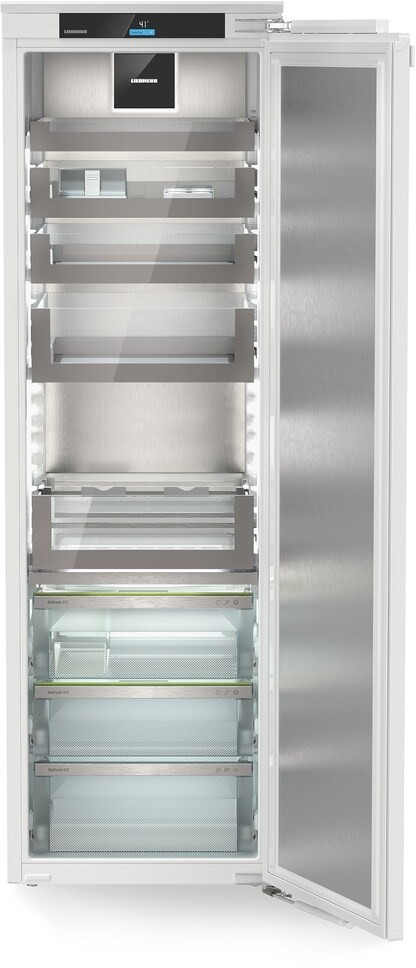
A kimchi refrigerator is designed specifically for storing and fermenting kimchi. From the outside it looks like a standard fridge or a top-loading unit; inside, its independently controlled compartments maintain different temperatures for different fermentation stages, and sealed storage contains the strong aromas that fermentation produces.
| Feature | Description |
|---|---|
| Controlled Fermentation | Allows for adjustable fermentation settings to suit various kimchi types. |
| Customizable Compartments | Features compartments that can be modified for different sizes of kimchi containers. |
| Sealed Storage | Provides airtight storage to contain the strong aromas typical of kimchi. |
The design also includes multiple cooling zones that can be individually adjusted for specific types of pickled vegetables or dishes, preserving the texture and taste of kimchi over extended periods.
Pink Fridge Features
A pink fridge is a standard refrigerator in a pink hue — same shelves, same cooling system, same 35–42°F operating range as any fridge. The pink finish is cosmetic. Common formats include retro single-door compacts (Smeg, Galanz, Unique) and custom-colored full-size models (BlueStar, Big Chill).
| Feature | Description |
|---|---|
| Colorful Aesthetics | Adds a vibrant, playful touch to kitchen decor with its pink exterior. |
| Versatility | Can be a standard fridge or come with additional features like a freezer or beverage cooler. |
| Size Options | Available in various sizes to accommodate different space requirements. |
Kimchi Fridge vs. Regular Refrigerator: What's the Difference?
A pink fridge is, mechanically, a regular refrigerator — so this question answers both. A regular refrigerator runs one cooling zone at roughly 35–42°F with no humidity management and no odor isolation. A kimchi refrigerator runs 2 to 4 independent zones down to 28°F, uses sealed lids to block odor transfer, and can slow fermentation enough to hold kimchi at its optimal stage for months rather than weeks. In a regular fridge at about 37°F, kimchi keeps fermenting relatively quickly, growing progressively sourer over 2 to 3 weeks, and its garlic and fermented-cabbage aroma permeates other food.
Can a Pink Fridge Store Kimchi?
Yes — the same way any standard fridge does. For occasional kimchi storage before consumption, it works fine. For proper multi-week preservation at a chosen fermentation stage, it does not: there is no multi-zone control, no sealed compartments, and no way to slow fermentation below standard fridge temperatures.
Can a Kimchi Fridge Come in Pink?
Korean kimchi refrigerators come in limited colors — typically white, silver, and occasionally beige. Pink is not a standard option from Samsung, LG, or Dimchae kimchi lines. For a pink kimchi-capable setup, the practical route is a pink fridge for the kitchen plus a separate kimchi refrigerator; a custom paint job on a kimchi fridge is impractical and likely warranty-voiding.
Storage Capacity
Kimchi Refrigerator Capacity
Kimchi refrigerators are sized for preserving large quantities of kimchi and other perishables, with compartments that separate different foods, each with its own precise temperature control.
| Size | Capacity (Liters) |
|---|---|
| Small | 50 - 100 |
| Medium | 101 - 150 |
| Large | 151 - 200+ |
In cubic feet, compact kimchi units run 5–10 cu ft and full-size models 10–22 cu ft. For more insights on temperature settings, you might find our article on kimchi refrigerator temperature settings helpful.
Pink Fridge Capacity
Pink fridges range from compact to standard sizes, in line with traditional refrigeration needs.
| Size | Capacity (Cubic Feet) |
|---|---|
| Mini | 1.5 - 2.5 |
| Small | 2.6 - 10 |
| Standard | 11 - 20+ |
Retro-style pink compacts typically fall between 3 and 10 cu ft. For comparisons with other stylish options, consider reading about retro fridge vs. small upright freezer.
Temperature Control
Kimchi Refrigerator Temperature Settings
A kimchi refrigerator offers precise temperature controls that can be adjusted to suit each stage of the fermentation process, so kimchi matures to the desired taste and texture.
| Fermentation Stage | Temperature Range |
|---|---|
| Initial Fermentation | 0°C to 5°C |
| Main Fermentation | -1°C to 2°C |
| Long-term Storage | 2°C to 4°C |
Across zones, that works out to roughly 28–40°F, each compartment independently controlled.
Pink Fridge Temperature Settings
A pink fridge comes with the standard temperature controls found in regular refrigerators — the focus is keeping food and beverages cold, not managing fermentation.
| Storage Type | Temperature Range |
|---|---|
| Refrigerator Compartment | 3°C to 5°C |
| Freezer Compartment | -18°C to -20°C |
If you're comparing different fridge feature sets, see mini fridge with freezer vs. portable freezer or convertible freezer vs. white refrigerator.
Energy Efficiency
Kimchi Refrigerator Energy Consumption
Kimchi refrigerators maintain specific temperatures across multiple compartments, which can raise energy use compared to a standard fridge, though advanced insulation and precision controls keep them efficient for their purpose.
| Size (Cubic Feet) | Average Energy Use (kWh/year) |
|---|---|
| Under 10 | 300-400 |
| 10-18 | 400-500 |
| 18 and above | 500-600 |
A typical 12 cu ft kimchi refrigerator draws 300–500 kWh per year — roughly $39–$65 annually in electricity.
Pink Fridge Energy Consumption
The color of the fridge does not affect energy consumption — model and features do. A pink fridge's efficiency matches similarly sized fridges of any color; look for an Energy Star rating to get an efficient model.
| Size (Cubic Feet) | Average Energy Use (kWh/year) |
|---|---|
| Mini (Under 5) | 200-300 |
| Small (5-10) | 300-400 |
| Medium (10-18) | 400-500 |
A retro 8 cu ft pink fridge typically runs 250–400 kWh per year, about $33–$52 annually. For other color-versus-function comparisons, explore retro fridge vs. small upright freezer and blue refrigerator vs. energy efficient refrigerator.
Pricing
Retro pink compacts start around $200, while full-size custom-color pink fridges from premium builders can exceed $8,000. Kimchi refrigerators occupy a middle band, with most models between $500 and $4,000.
| Type | Budget | Mid-Range | Premium |
|---|---|---|---|
| Pink Fridge (retro compact) | $200 - $600 | $600 - $1,200 | $1,200 - $2,500 |
| Pink Fridge (full-size custom) | $2,500 - $5,000 | $5,000 - $8,000 | $8,000+ |
| Kimchi Refrigerator | $500 - $1,000 | $1,000 - $2,000 | $2,000 - $4,000 |
US Availability
Pink fridges are available from Smeg, Big Chill, Galanz, and custom-color brands through standard US retail channels — pink is a popular retro color with broad availability.
Kimchi refrigerators have limited US distribution, sold primarily through Korean appliance retailers in cities with large Korean-American populations (Los Angeles, New York, Chicago, Dallas, Atlanta). Samsung and LG offer some models through specialty channels, and online ordering from importers is available, though delivery networks are limited.
Additional Features
Specialized Functions of a Kimchi Refrigerator
Beyond basic cooling, a kimchi refrigerator provides fermentation-specific systems — modes for each fermentation stage, designated compartments, and odor control.
| Feature | Description |
|---|---|
| Fermentation Modes | Multiple modes for different stages of kimchi fermentation. |
| Separate Compartments | Designated areas for various types of fermented foods. |
| Odor Control | Systems to contain and neutralize strong odors common with fermentation. |
| Precise Temperature Control | Controls to maintain specific temperatures needed for fermentation. |
For more comparisons between specialized refrigeration options, see our article on double drawer refrigerator vs. refrigerator drawer.
Unique Features of a Pink Fridge
A pink fridge's standout feature is its visual appeal — retro or modern chic looks that serve as a focal point in a kitchen or entertainment area.
| Feature | Description |
|---|---|
| Aesthetic Design | Bold pink color that adds a unique style to a space. |
| Compact Sizes | Often available in smaller sizes, suitable for various living spaces. |
| Versatility | Can be used in kitchens, offices, or as an additional fridge for entertainment areas. |
| Customization | Some models offer customization options such as interchangeable door panels. |
Aesthetics and Style
Design and Color Options of Kimchi Refrigerators
Kimchi refrigerators typically come in neutral colors — white, silver, and grey — with sleek, minimalist designs featuring clean lines that integrate into most kitchen styles.
| Design Feature | Description |
|---|---|
| Color Palette | Neutral tones (white, silver, grey) |
| Style | Modern, minimalist |
| Exterior Finish | Usually glossy or matte |
Design and Color Options of Pink Fridges
Pink fridges come in shades from soft pastels to bold, bright hues, in designs ranging from retro-inspired looks with vintage handles and rounded edges to sleek modern models, often with color-coordinated interiors.
| Design Feature | Description |
|---|---|
| Color Palette | Shades of pink (pastel, hot pink, rose) |
| Style | Retro to modern |
| Exterior Finish | Varies from matte to high-gloss |
Placement and Space Considerations
Suitable Locations for a Kimchi Refrigerator
A kimchi refrigerator should sit in a cool, dry area where the temperature remains relatively stable. Common locations include:
- Kitchen: Integrating it into your main food preparation area for easy access.
- Pantry: Tucking it away in a walk-in pantry or storage room.
- Basement: Utilizing the typically cooler basement environment can be ideal for fermentation.
- Garage: If you have a garage with controlled temperature, it could serve as a suitable spot.
Ensure there's adequate space for ventilation to prevent overheating, and consider proximity to your kitchen workspace. You might find comparisons of different fridge placements in our articles on builtin refrigerator vs. refrigerator freezer combo and reach in refrigerator vs. standard refrigerator size.
Ideal Spaces for a Pink Fridge
The ideal placement for a pink fridge is about form as much as function. Consider the following spaces:
- Kitchen: A pink fridge can serve as a vibrant focal point in your kitchen decor.
- Home Office: Adding a pop of color and convenience for refreshments while you work.
- Entertainment Area: Perfect for holding beverages and snacks in a game room or den.
- Dorm Room: Offering a playful touch to personal living spaces for students.
Keep in mind the dimensions of the fridge and the available space in your chosen room — there should be enough clearance to open the doors fully. Measure doorways and hallways the appliance must pass through before purchasing. For more insights on space-efficient refrigerators, see mini fridge with freezer vs. portable freezer and office refrigerator vs. side by side refrigerator.
Maintenance and Care
Cleaning and Upkeep of a Kimchi Refrigerator
-
Regular Cleaning: At least once a month, empty your kimchi refrigerator and clean the interior with a mild detergent and warm water solution. Avoid abrasive cleaners or pads that could damage the surface.
-
Odor Control: Fermented foods can produce strong odors. Use natural deodorizers like baking soda or freshly ground coffee to absorb unwanted smells.
-
Seal Inspection: Periodically check the door seal (gasket) for any signs of wear or tear to ensure it remains airtight and maintains temperature efficiently.
-
Temperature Check: Monitor the temperature settings regularly to make sure they are consistent with the manufacturer's recommendations for storing fermented foods. Adjust as necessary.
-
Ventilation: Ensure your kimchi refrigerator has proper ventilation and that the coils on the back are free from dust accumulation to maintain energy efficiency.
For more detailed information on refrigeration care, consider exploring mini fridge with freezer vs. portable freezer and double drawer refrigerator vs. refrigerator drawer.
Maintenance Tips for a Pink Fridge
-
Surface Cleaning: Wipe down the exterior with a soft, damp cloth to keep the pink finish looking bright and clean. For tougher stains, use a mild soap solution, but avoid harsh chemicals.
-
Interior Wipe-down: Spills and crumbs are common in any refrigerator. Clean the interior shelves and drawers with a damp cloth and mild detergent regularly to prevent stains and buildup.
-
Coil Cleaning: Dust and pet hair can accumulate on the condenser coils, which can impact performance. Unplug the fridge and gently brush or vacuum the coils every six months.
-
Gasket Care: Keep the door gasket clean and pliable by wiping it down with a mild soap solution. This helps maintain the seal and prevents cool air from escaping.
-
Defrosting: If your pink fridge is not frost-free, schedule regular defrosting to prevent ice buildup that can affect cooling and storage space.
For comparisons on features and maintenance of other refrigerators, you may find counter depth refrigerator vs. platinum refrigerator and beverage refrigerator vs. smart fridge useful.
Who Should Buy Which
Buy a pink fridge if kitchen color and design personality are your priority. The pink finish adds visual impact and conversation value; it stores food the same as any standard fridge — the color is the product.
Buy a kimchi refrigerator if fermentation precision is your priority. You make kimchi regularly, ferment vegetables at home, and want to maintain optimal conditions for months of storage. The multi-zone engineering is the product — the external color is secondary.
Buy both if you love colorful kitchen design and serious fermentation: a pink retro fridge as the visual centerpiece plus a kimchi fridge in the pantry for fermentation duty.
Frequently Asked Questions
How is a kimchi fridge different from a regular refrigerator?
A kimchi fridge runs 2 to 4 independently controlled compartments at 28–40°F with sealed, odor-containing lids, while a regular refrigerator runs a single zone at 35–42°F with no humidity or odor management. The kimchi fridge can hold kimchi at its optimal fermentation stage for months; a regular fridge lets it keep souring over 2 to 3 weeks.
Can I store kimchi in a regular or pink fridge?
Yes, for short-term storage before consumption. At a standard fridge's roughly 37°F, kimchi continues fermenting and grows progressively sourer over 2 to 3 weeks, and its garlic and fermented-cabbage odor can permeate other food since there are no sealed compartments.
How much does a kimchi refrigerator cost compared to a pink fridge?
Kimchi refrigerators run about $500–$4,000 depending on size and features. Retro pink compacts run $200–$2,500, while full-size custom-color pink fridges range from $2,500 to over $8,000.
Do kimchi refrigerators come in pink?
No — Samsung, LG, and Dimchae kimchi lines are typically limited to white, silver, and occasionally beige. If you want both, pair a pink fridge with a separate kimchi refrigerator rather than attempting a custom paint job, which is impractical and likely warranty-voiding.
Which uses more electricity?
A 12 cu ft kimchi refrigerator uses about 300–500 kWh per year ($39–$65), while an 8 cu ft retro pink fridge uses about 250–400 kWh per year ($33–$52). Larger models of either type scale up accordingly.
Where can I buy a kimchi refrigerator in the US?
Distribution is limited — mainly Korean appliance retailers in cities with large Korean-American populations such as Los Angeles, New York, Chicago, Dallas, and Atlanta, plus some Samsung and LG models through specialty channels and online importers.
Get Your Upgrade or New Addition at Fridge.com
Whether you're searching for your perfect fridge, freezer, wine fridge, beer fridge, ice maker, or kegerator, we have what you need.
Shop the world's best brands at Fridge.com.
We also have tons of awesome articles about kitchen stuff and home news. Enhance your home, garage, backyard, patio, and office with the coolest essentials. With every necessary type of residential refrigerator or freezer in our collection, we've got you covered.
Elevate your game and shop now at Fridge.com!