Defrosting salmon in the fridge takes 12 to 24 hours for a one-pound fillet, 24 to 36 hours for two pounds, and 36 to 48 hours for a whole fish. Keep your refrigerator at 40°F (4°C) or below while the salmon thaws, and once it is fully defrosted, cook it within 1–2 days. Thawing in the refrigerator is the safest method because the fish never leaves the safe temperature zone, which prevents the growth of harmful bacteria while preserving the salmon's texture and flavor.
How Long Does It Take to Defrost Salmon in the Fridge?
Plan on about 24 hours of fridge time for every 1 to 1.5 pounds of salmon. The exact defrosting time depends on the size and thickness of the piece:
| Salmon Weight | Defrosting Time in Fridge |
|---|---|
| 1 lb | 12 - 24 hours |
| 2 lbs | 24 - 36 hours |
| 3 lbs | 36 - 48 hours |
| Whole fish | 36 - 48 hours (1 - 2 days) |
Make sure to place the salmon on a plate or in a container to catch any liquid that might seep out during the defrosting process.
Defrosting Times by Cut and Thickness
Thickness matters as much as weight. A thin fillet thaws overnight, while a thick whole salmon can need two full days:
| Salmon Cut | Weight | Thickness | Estimated Defrosting Time |
|---|---|---|---|
| Salmon fillet | 6 - 8 oz | 1 inch | 12 - 24 hours |
| Salmon steak | 8 - 12 oz | 1.5 inches | 18 - 36 hours |
| Large salmon side | 1 - 1.5 lbs | - | 24 - 36 hours |
| Whole salmon | 3 - 4 lbs | 2 - 3 inches | 1 - 2 days |
Factors Influencing Defrosting Time
Several factors can affect how long it takes to defrost salmon in the fridge:
- Size and Thickness: Larger and thicker pieces of salmon will take longer to thaw compared to smaller, thinner cuts.
- Initial Temperature: If the salmon was stored in a particularly cold part of the freezer, it might take longer to defrost.
- Refrigerator Temperature: The standard fridge temperature is 40°F (4°C). If your fridge is set to a colder temperature, defrosting will take more time. The ideal range for defrosting salmon is between 35°F and 40°F (1.6°C - 4.4°C) — cold enough to stay safe, warm enough to thaw steadily.
- Packaging: The type of packaging can also influence defrosting time. Vacuum-sealed packages may thaw faster than fish wrapped in heavy-duty plastic or foil.
| Factor | Impact on Defrosting Time |
|---|---|
| Size and Thickness | Larger/thicker pieces take more time |
| Initial Temperature | Deeply frozen salmon takes longer |
| Refrigerator Settings | Colder settings slow down defrosting |
| Packaging Type | Efficiency | Defrosting Time Impact |
|---|---|---|
| Vacuum-Sealed | High | Shorter |
| Plastic Wrap | Medium | Moderate |
| Loose Packaging | Low | Longer |
For more information on safely defrosting and storing various foods, you may find our articles on how long can frozen fish stay in the fridge and how long can frozen shrimp be in the fridge useful.
How to Defrost Salmon in the Fridge: Step by Step
Defrosting salmon in the refrigerator is the safest and most reliable method. It allows the fish to thaw gradually, maintaining its texture and flavor while minimizing the risk of bacterial growth. Here’s how you can do it:
- Step 1: Remove the salmon from the freezer and keep it in its original packaging or move it to a leak-proof sealed plastic bag so juices can't contaminate other foods.
- Step 2: Place the salmon on a plate or in a shallow dish to catch any drips.
- Step 3: Put the plate or dish with the salmon on a low shelf in the refrigerator, below any ready-to-eat foods.
The defrosting time will depend on the size and thickness of the salmon. As a general guideline:
| Salmon Portion | Defrosting Time in Refrigerator |
|---|---|
| 4-6 oz fillet | 12-24 hours |
| 1-1.5 lb fillet | 24-36 hours |
| Whole salmon | 1-2 days |
For more details on how long you can keep certain foods in the fridge, see our articles on how long can frozen salmon be in the fridge and how long can ground beef thaw in the fridge.
Tips for Defrosting Salmon Safely
Handling and Storage Precautions
Proper handling and storage are essential when defrosting salmon in the refrigerator. Here are some key precautions to follow:
- Keep Salmon in Original Packaging: If the salmon is vacuum-sealed, keep it in its original packaging to prevent contamination.
- Use a Plate or Tray: Place the packaged salmon on a plate or tray to catch any drips. This prevents cross-contamination with other foods in the fridge.
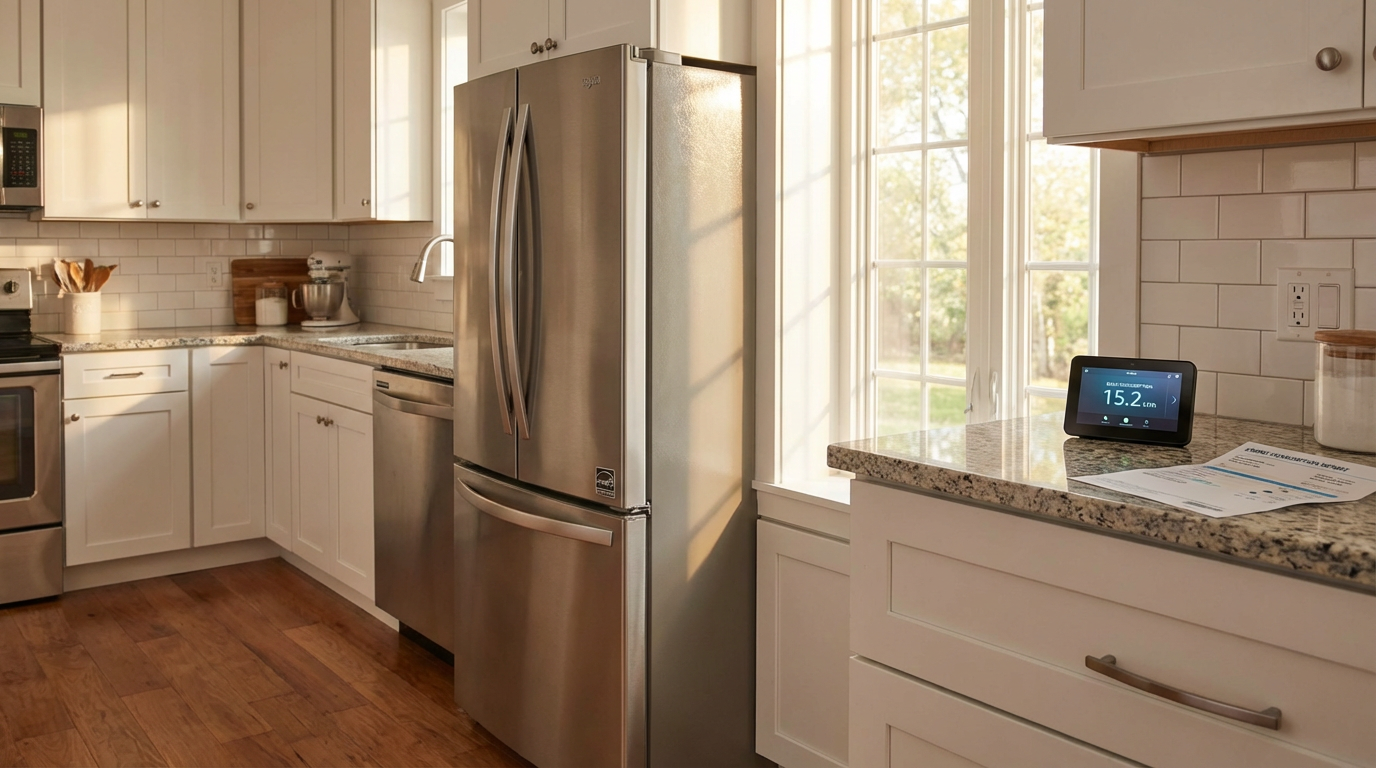
- Maintain Refrigerator Temperature: Ensure your refrigerator is set to 40°F (4°C) or below. This temperature is ideal for safe defrosting. See our guide to the food safe temperature fridge for details.
- Thaw in a Single Layer: If you are defrosting more than one piece, lay them in a single layer rather than stacking so they thaw evenly.
- Separate from Ready-to-Eat Foods: Store the salmon on a separate shelf from ready-to-eat foods to avoid cross-contamination.
Avoiding Cross-Contamination
Cross-contamination can occur when raw salmon comes into contact with other foods, surfaces, or utensils. To avoid this:
- Separate Raw and Cooked Foods: Keep raw salmon away from cooked foods and ready-to-eat items in your fridge.
- Store Low: Keep thawing salmon below other foods in the refrigerator so drips can't land on anything else.
- Clean Surfaces: Clean and disinfect any surfaces, cutting boards, and utensils that have come into contact with raw salmon.
- Use Separate Utensils: Use different utensils for raw and cooked salmon to prevent the transfer of bacteria.
Monitoring Defrosting Progress
Monitoring the progress of your defrosting salmon ensures it thaws evenly and safely. Here's how to do it:
- Check Regularly: Periodically check the salmon to ensure it is defrosting properly. This can help you adjust the positioning if needed.
- Feel the Texture: Gently press the salmon to assess its texture. Thawed salmon will be pliable and not rigid.
- Use a Timer: Set a timer or reminder to check the salmon every few hours.
You might also find our articles on how long can frozen beef stay in the fridge and how long can ground beef last in the fridge useful.
Checking if Salmon Is Fully Defrosted
Ensuring that your salmon is fully thawed is crucial to both the cooking process and food safety. Here’s how you can check if your salmon is properly defrosted.
Physical Indicators of Thawed Salmon
When salmon is fully defrosted, several physical signs will indicate its readiness for cooking:
- Texture: The flesh should be soft and pliable. Press gently with your finger; it should leave an indentation.
- Color: The color of the salmon should be consistent throughout, with a moist and slightly translucent surface. Any ice crystals or frosty spots suggest it is still partially frozen.
- Flexibility: The fillet or steak should bend easily without resistance. Stiffness indicates remaining frozen areas.
Testing the Salmon for Thawing
To ensure your salmon is thoroughly thawed, perform these simple tests:
- Touch Test: Gently press your finger into the thickest part of the salmon. If it feels soft and your finger leaves an indentation, it’s a good sign that the fish is thawed.
- Temperature Check: Use a meat thermometer to measure the internal temperature of the salmon. Fully thawed salmon will be around refrigerator temperature, typically between 32°F (0°C) and 40°F (4°C).
- Visual Inspection: Look for consistent color and absence of ice crystals. Any opaque or icy areas indicate the salmon needs more time to defrost.
| Indicator | Sign of Thawing | Sign of Remaining Frozen |
|---|---|---|
| Texture | Soft and pliable | Hard and rigid |
| Color | Consistent, no ice | Frosty or icy spots |
| Flexibility | Bends easily | Stiff or unyielding |
| Temperature | 32°F - 40°F | Below 32°F |
How Long Can Defrosted Salmon Stay in the Fridge?
Once salmon has fully thawed in the refrigerator, use it within 1 to 2 days. Keeping the fish beyond that window increases the risk of spoilage and foodborne illness, even at fridge temperature.
| Defrosted Salmon | Recommended Usage Time |
|---|---|
| In the fridge | 1-2 days |
Has Your Salmon Been Thawed in the Fridge for 3 Days?
Salmon that has been fully defrosted in the fridge for 3 days is past the recommended 1–2 day window. Before deciding to cook it, inspect it carefully for signs of spoilage:
- Smell: Fresh salmon has a mild, ocean-like smell. A strong, fishy odor means it may not be safe to consume.
- Color: Thawed salmon should have a vibrant, consistent color. Discoloration or dullness can indicate spoilage.
- Texture: The flesh should feel firm to the touch. A mushy or overly soft texture means the fish has been compromised.
If the salmon shows any of these signs, do not risk it. The 1–2 day window applies once the salmon has finished defrosting, so plan to cook within a day or two of the fish thawing completely.
Cooking and Storing Defrosted Salmon
To ensure the best taste and texture, follow these recommendations when cooking and storing defrosted salmon:
Cooking: Cook defrosted salmon to an internal temperature of 145°F (63°C). This ensures that the fish is fully cooked and safe to eat. You can grill, bake, pan-fry, or poach the salmon depending on your preferred cooking method.
Storage: If you don't plan to cook the defrosted salmon immediately, store it in the coldest part of your refrigerator. Keep it in an airtight container or wrap it tightly in plastic wrap or aluminum foil to prevent it from absorbing any odors from other foods.
For more tips on safely storing and handling frozen foods, check out our article on how long can frozen meat stay in the fridge?, and our guides on how long can i keep a brisket in the fridge? and how long can fresh steak stay in the fridge?.
Faster Ways to Defrost Salmon
While defrosting salmon in the fridge is the safest method, there are quicker techniques for when you haven't planned a day ahead.
Quick Defrosting Techniques
Cold Water Bath:
- Place the salmon in a sealed plastic bag to prevent water from entering.
- Submerge the bag in a bowl of cold water.
- Change the water every 30 minutes to ensure it remains cold.
- This method typically takes about 1-2 hours, depending on the size and thickness of the salmon.
Running Cold Water:
- Place the salmon in a sealed plastic bag.
- Hold the bag under cold running water.
- This method can thaw the salmon in about 1 hour.
Microwave Defrosting (last resort):
- Use the defrost setting on your microwave and place the salmon on a microwave-safe plate.
- Check and turn the salmon every few minutes to ensure even thawing.
- Be cautious: microwaves can create hot spots that start cooking the edges while other parts stay frozen, which can leave the fish rubbery and dry.
| Defrosting Method | Estimated Time |
|---|---|
| Refrigerator | 12-24 hours per lb |
| Cold Water Bath | 1-2 hours |
| Running Cold Water | 1 hour |
| Microwave Defrosting | Varies (check every few minutes) |
Defrosting Methods to Avoid
- Room Temperature Defrosting: Never leave salmon out on the counter to thaw. Bacteria grow rapidly at room temperature, so there is no safe amount of time to defrost salmon on the counter.
- Hot Water Defrosting: Hot water causes uneven thawing, can partially cook the outer layer while the inside stays frozen, and promotes the growth of harmful bacteria.
- Unsealed Water Thawing: Always keep the salmon in a sealed plastic bag before submerging it in water; water seeping in affects the texture and flavor of the fish.
Frequently Asked Questions About Defrosting Salmon
How long does it take to defrost salmon in the fridge?
A one-pound fillet takes 12 to 24 hours to defrost in the fridge; allow roughly 24 hours for every 1 to 1.5 pounds. A whole salmon needs 1 to 2 days. Thicker cuts take longer than thin ones.
Once you defrost salmon, how long is it good for?
Defrosted salmon is good for 1 to 2 days in the refrigerator. Keep it in the coldest part of the fridge, in an airtight container or tightly wrapped, until you cook it.
Is salmon that has been defrosted in the fridge for 3 days still safe?
Three days is past the recommended 1–2 day window for thawed salmon. Check it before cooking: a strong fishy odor, dull or discolored flesh, or a mushy texture are signs of spoilage, and salmon showing any of them may not be safe to eat.
How long does it take to defrost salmon at room temperature?
You should not defrost salmon at room temperature at all. Bacteria multiply rapidly on fish left out on the counter, so no amount of room-temperature thawing time is safe. Use the fridge (12–24 hours per pound) or a cold water bath (1–2 hours) instead.
Can I defrost salmon in hot water?
No. Hot water thaws the fish unevenly, can partially cook the outside while the center stays frozen, and encourages bacterial growth. If you need speed, use a cold water bath and change the water every 30 minutes.
What is the fastest safe way to defrost salmon?
A cold water bath is the fastest safe method: seal the salmon in a plastic bag, submerge it in cold water, and change the water every 30 minutes. Most fillets thaw in 1 to 2 hours this way.
How do I know when my salmon is fully thawed?
Fully thawed salmon is soft and pliable, bends easily, and shows no ice crystals or frosty spots. Its internal temperature will read between 32°F and 40°F on a meat thermometer.
Can you defrost salmon and put it back in the fridge?
Yes — salmon thawed in the refrigerator can stay there for 1 to 2 days before cooking. Store it on a low shelf, below ready-to-eat foods, on a plate or in a container that catches drips.
Get Your Upgrade or New Addition at Fridge.com
Whether you're searching for your perfect fridge, freezer, wine fridge, beer fridge, ice maker, or kegerator, we have what you need.
Shop the world's best brands at Fridge.com.
We also have tons of awesome articles about kitchen stuff and home news. Enhance your home, garage, backyard, patio, and office with the coolest essentials. With every necessary type of residential refrigerator or freezer in our collection, we've got you covered.
Elevate your game and shop now at Fridge.com!